
Understanding Gifted and Talented Learners: Beyond the Label
Before diving into teaching strategies, it’s essential to understand what makes Gifted and Talented Learners unique. These students aren’t just quick learners; they often exhibit characteristics that require specialized approaches. Developing the right teacher skills starts with recognizing these traits.
Common Characteristics of Gifted Students
Gifted students typically demonstrate advanced abilities in one or more areas. They may show exceptional reasoning skills, unusual curiosity, extensive vocabulary, strong memory, or heightened sensitivity. Many gifted learners process information differently than their peers, making connections that others might miss.
However, it’s important to remember that giftedness manifests differently in each child. Some may excel across all academic areas, while others might show extraordinary talent in specific domains like mathematics, language arts, or creative thinking. Effective teacher skills include recognizing these diverse manifestations of giftedness.
- Advanced reasoning abilities
- Exceptional problem-solving skills
- Intense curiosity and questioning
- Advanced vocabulary and language skills
- Ability to learn concepts quickly
- Strong memory and retention
- Heightened sensitivity and empathy
- Perfectionism and self-criticism
Misconceptions About Gifted Students
One of the most crucial teacher skills is dispelling myths about gifted education. Many assume that gifted students will succeed without special attention or that they’re universally high achievers. In reality, without appropriate challenges, these students may become bored, disengaged, or even develop behavioral issues. Understanding these misconceptions is the first step in providing effective support.
“Giftedness is not fixed—all students have the ability and potential to excel, and all students have special talents and strengths. The important thing is finding a way to nurture those talents and strengths so students can develop their potential to the fullest.”
Research from the National Association for Gifted Children indicates that up to 20% of high school dropouts test in the gifted range, highlighting the consequences of failing to engage these learners appropriately. Developing effective teacher skills for working with gifted students isn’t just about academic excellence—it’s about preventing underachievement and disengagement.
Effective Classroom Strategies for Gifted and Talented Learners
Implementing effective teaching strategies for Gifted and Talented Learners requires intentional planning and flexibility. The following approaches can help you develop the teacher skills necessary to create an engaging learning environment.
Differentiation and Acceleration
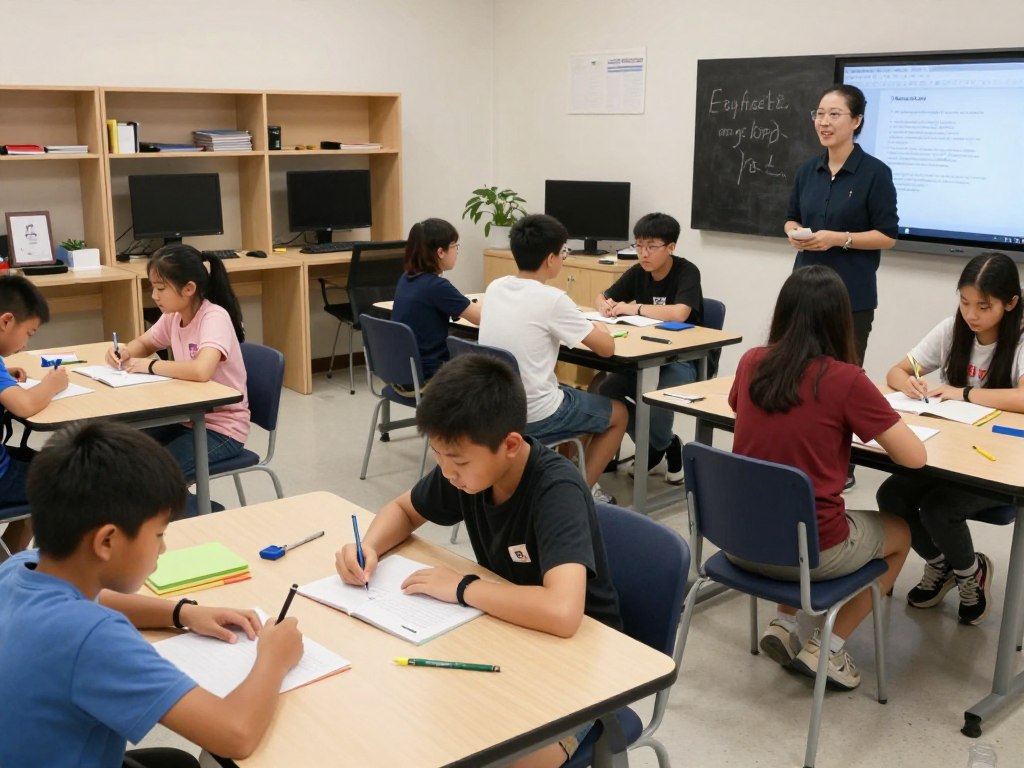
Differentiation is among the most essential teacher skills for working with gifted students. This approach involves modifying content, process, products, and the learning environment to match students’ readiness levels, interests, and learning profiles.
Content Differentiation
Adjust the complexity and depth of material to challenge gifted learners. This might involve introducing advanced concepts, exploring interdisciplinary connections, or providing access to college-level resources. The key teacher skills here involve recognizing when students have mastered grade-level content and knowing how to extend their learning appropriately.
Process Differentiation
Modify how students engage with the material. Encourage higher-order thinking through open-ended questions, problem-based learning, and independent research projects. Developing these teacher skills allows you to facilitate deeper learning rather than simply covering more material.
Curriculum Compacting
Curriculum compacting is a strategy that eliminates repetition of mastered material, allowing gifted students to move forward or explore topics in greater depth. This approach requires strong assessment teacher skills to accurately identify what students already know.
Implementing Curriculum Compacting: Pre-assess students’ knowledge, document what they’ve mastered, and create a plan for alternative learning activities. This strategy respects students’ time and prevents boredom while ensuring they still meet all required standards.
Flexible Grouping
Creating opportunities for gifted students to work with intellectual peers is crucial. Flexible grouping arrangements allow for collaboration based on interests, abilities, or learning preferences. This approach requires teacher skills in classroom management and facilitation to ensure productive group dynamics.
Consider implementing cluster grouping, where several gifted students are placed together within a mixed-ability classroom. This approach, supported by research on gifted education practices, allows for targeted instruction while maintaining inclusive classroom environments.
Enrichment Activities for Gifted and Talented Learners
Enrichment activities extend learning beyond the standard curriculum, allowing Gifted and Talented Learners to explore topics of interest in greater depth. These opportunities develop critical thinking, creativity, and independent learning skills.
Project-Based Learning
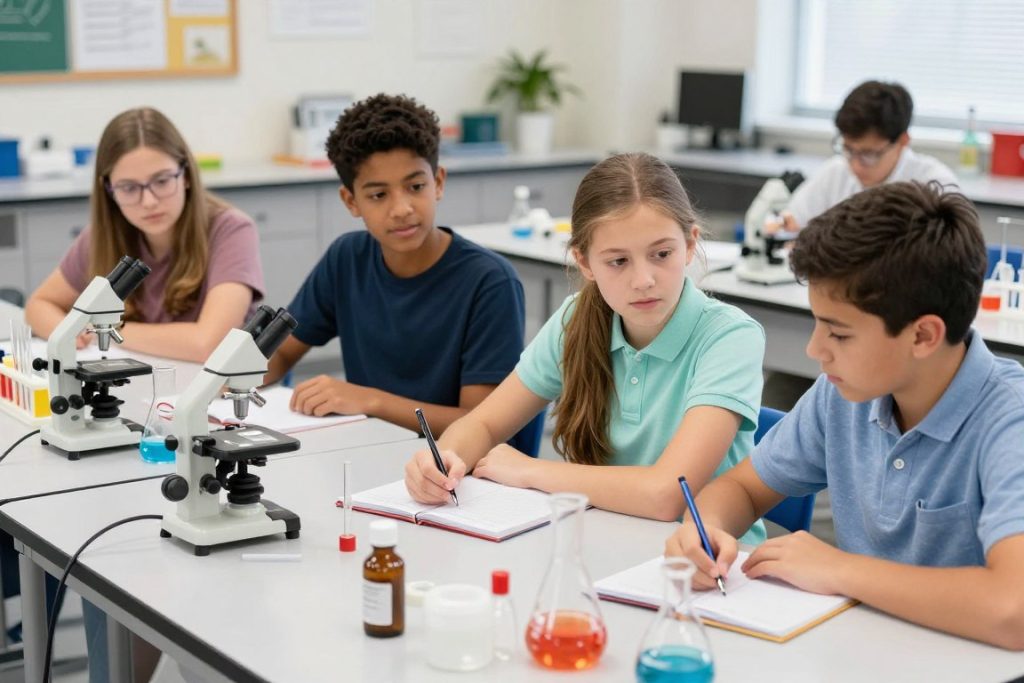
Project-based learning (PBL) is particularly effective for gifted students, as it allows them to pursue complex questions and develop authentic products. Implementing PBL requires teacher skills in designing meaningful challenges, providing appropriate scaffolding, and assessing multifaceted work.
Elements of Effective Projects for Gifted Learners:
- Open-ended questions that allow for multiple approaches
- Real-world applications and authentic audiences
- Opportunities to develop advanced research skills
- Integration of multiple subject areas
- Student choice and autonomy
- Challenging content that extends beyond grade-level standards
Independent Study Options
Independent study allows gifted students to explore topics of personal interest while developing research and self-management skills. Facilitating independent study requires teacher skills in mentoring, providing appropriate resources, and establishing clear expectations.
Consider creating learning contracts that outline goals, timelines, resources, and assessment criteria. This approach provides structure while honoring students’ autonomy and interests. Learn more about implementing independent study options for gifted learners.
Enhance Your Teacher Skills for Supporting Gifted Students
Discover comprehensive strategies and resources designed specifically for educators working with gifted and talented learners. Our professional development opportunities will help you create an engaging, challenging environment for your exceptional students.
Collaboration Strategies for Supporting Gifted and Talented Learners
Effective support for Gifted and Talented Learners requires collaboration among educators, families, and specialists. Developing teacher skills in communication and partnership is essential for creating a cohesive support system.
Working with Families
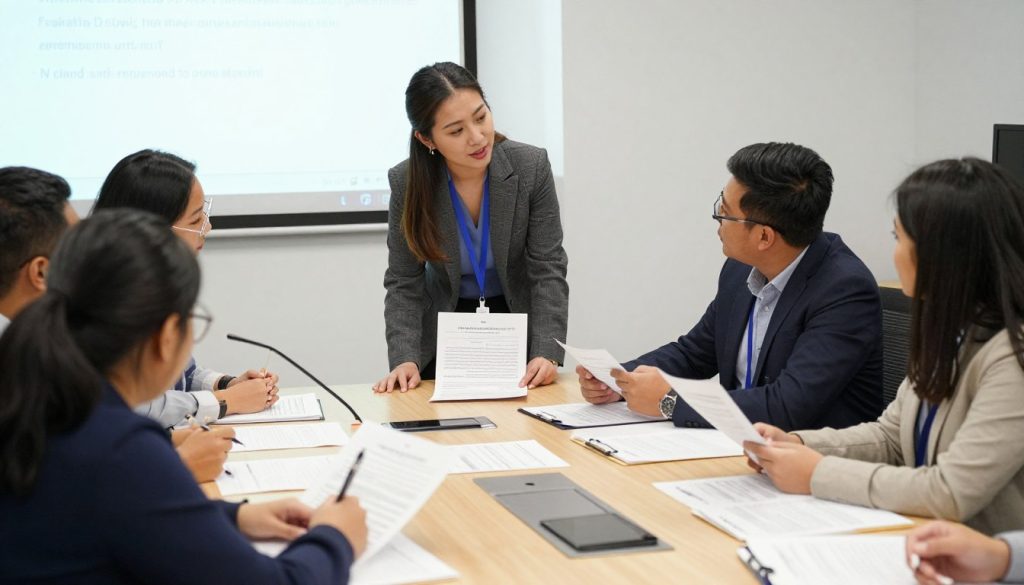
Parents of gifted children are valuable partners in the educational process. They often have unique insights into their child’s strengths, interests, and challenges. Developing teacher skills for family collaboration involves establishing regular communication, sharing resources, and involving parents in educational planning.
Effective Family Partnership Strategies:
- Conduct parent conferences focused specifically on gifted programming
- Share resources about giftedness and talent development
- Involve parents in identifying enrichment opportunities
- Collaborate on addressing social-emotional concerns
- Create communication systems for sharing progress and challenges
Collaborating with Colleagues
Working with other educators and specialists enhances your ability to support gifted learners. Developing teacher skills in professional collaboration involves sharing expertise, seeking input, and coordinating services across educational settings.
Consider forming professional learning communities focused on gifted education, consulting with gifted specialists, and coordinating with other teachers who work with your students. These collaborative approaches expand your repertoire of strategies and ensure consistent support.
Join Our Community of Educators Supporting Gifted Learners
Connect with fellow teachers, access specialized resources, and enhance your professional practice. Our community provides ongoing support for educators committed to meeting the unique needs of gifted and talented students.
Assessment Strategies for Gifted and Talented Learners
Effective assessment of Gifted and Talented Learners requires approaches that accurately measure their abilities and growth. Developing teacher skills in this area involves implementing both formative and summative assessments that provide meaningful feedback and guide instruction.
Pre-Assessment Techniques
Pre-assessment is crucial for identifying what gifted students already know and can do. This information allows you to compact the curriculum and provide appropriate challenges. Developing teacher skills in pre-assessment involves creating efficient tools that accurately capture students’ knowledge and abilities.
Formal Pre-Assessment
Consider using above-grade-level assessments, concept maps, or skills inventories to identify students’ starting points. These approaches provide specific data to guide differentiation and acceleration decisions.
Informal Pre-Assessment
Implement strategies like entry tickets, KWL charts, or quick writes to gauge students’ background knowledge and interests. These approaches are efficient and can be integrated into daily instruction.
Authentic Assessment Options
Traditional assessments often fail to capture the depth and complexity of gifted students’ thinking. Authentic assessment approaches provide more meaningful measures of their abilities and growth. Developing teacher skills in authentic assessment involves creating tasks that reflect real-world applications and allow for creative expression.
Consider implementing portfolios, performance tasks, or project-based assessments that allow students to demonstrate their learning in multiple ways. These approaches provide richer information about students’ thinking and development than traditional tests.
For more comprehensive assessment strategies, explore our resources on evaluating gifted learners’ progress.
Technology Integration for Gifted and Talented Learners
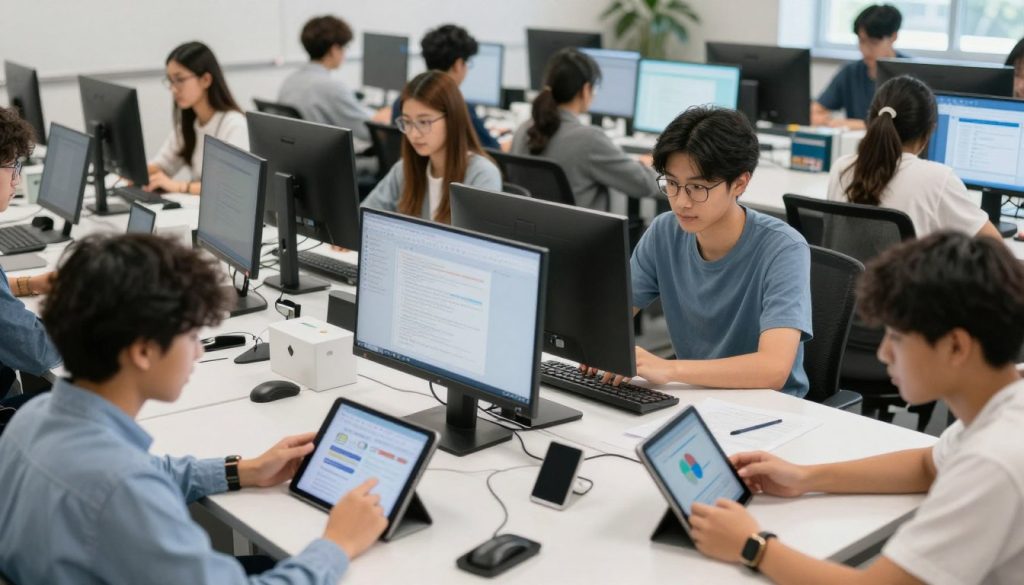
Technology offers powerful tools for extending and enhancing learning for Gifted and Talented Learners. Developing teacher skills in technology integration involves selecting appropriate digital resources and implementing them in ways that promote higher-order thinking.
Digital Tools for Differentiation
Digital resources can provide personalized learning pathways that match gifted students’ pace and depth of understanding. Developing teacher skills in this area involves evaluating tools for their ability to provide appropriate challenges and support independent learning.
Effective Digital Resources for Gifted Learners:
- Adaptive learning platforms that adjust to students’ abilities
- Digital creation tools that support complex projects
- Virtual mentoring and expert connections
- Online courses offering advanced content
- Simulation and modeling software for exploring complex systems
- Collaborative platforms for connecting with intellectual peers
Promoting Digital Citizenship
As gifted students engage with online resources, they need guidance in using technology responsibly and critically. Developing teacher skills in digital citizenship education involves addressing online safety, information literacy, and ethical technology use.
Consider implementing lessons on evaluating online sources, protecting personal information, and engaging respectfully in digital communities. These skills are particularly important for gifted learners, who may have advanced access to online resources.
Conclusion: Empowering Gifted and Talented Learners
Supporting Gifted and Talented Learners is both a challenge and an opportunity. By implementing the strategies outlined in this guide, you can develop the teacher skills necessary to create an environment where these exceptional students thrive academically, socially, and emotionally.
Remember that each gifted child is unique, with individual strengths, interests, and needs. The most effective approach combines responsive teaching with ongoing learning about gifted education practices. By committing to this professional journey, you make a profound difference in the lives of your gifted students.
Take the Next Step in Supporting Your Gifted Students
Enhance your teacher skills with our comprehensive professional development opportunities designed specifically for educators working with gifted and talented learners. Access resources, strategies, and support to create an optimal learning environment for your exceptional students.
Addressing Social and Emotional Needs of Gifted and Talented Learners
Supporting the whole child requires attention to the unique social and emotional characteristics of Gifted and Talented Learners. Developing teacher skills in this area is essential for helping these students thrive both academically and personally.
Common Social-Emotional Challenges
Perfectionism
Many gifted students set impossibly high standards for themselves, leading to anxiety and fear of failure. Developing teacher skills to address perfectionism involves modeling healthy responses to mistakes, emphasizing growth over achievement, and helping students set realistic goals.
Asynchronous Development
Gifted learners often experience uneven development across domains, with intellectual abilities outpacing emotional or social maturity. This can create frustration and social difficulties. Teacher skills for supporting asynchronous development include providing emotional scaffolding and helping students navigate peer relationships.
Creating Supportive Classroom Environments
A psychologically safe classroom environment is essential for gifted students to take intellectual risks and express their unique perspectives. Developing teacher skills in creating this environment involves establishing clear norms, validating students’ experiences, and fostering mutual respect.
“All students have the right to learn new things every day, but managing the range of academic levels within a classroom is a formidable task. Often, gifted or advanced learners may be underchallenged or understimulated.”
Consider implementing classroom meetings, mindfulness practices, and explicit instruction in social-emotional skills. These approaches help all students develop self-awareness and interpersonal competence while addressing the specific needs of gifted learners.