Essential Physical School Safety Measures for Every Grade Level
Physical security forms the foundation of comprehensive school safety. According to security experts, layered physical security measures significantly reduce the risk of safety incidents while creating an environment where learning can flourish. Implementing these measures requires specific teacher skills related to awareness, monitoring, and consistent enforcement of protocols.
Access Control Systems
Controlling who enters your school is a critical first step in maintaining safety. Modern access control systems include secure entry points, visitor management software, and ID badges for staff and students. As teachers, our role includes consistently following entry protocols and helping students understand why these measures matter.
Effective teacher skills in this area include vigilance about keeping doors secured, properly checking visitor badges, and reporting any security concerns immediately. Remember that consistency is key—even one lapse in following protocols can compromise the entire system.
Surveillance and Monitoring
Strategic camera placement throughout school grounds provides both deterrence and documentation. While administration typically manages surveillance systems, teachers play a vital role in monitoring student behavior in hallways, playgrounds, and common areas. Developing teacher skills in situational awareness helps identify potential issues before they escalate.
For elementary teachers, this might mean positioning yourself to maintain visibility of all students during recess. Middle and high school teachers should practice active supervision during passing periods, being visible and engaged rather than simply standing in doorways.
Environmental Design for Safety
The physical layout of your classroom and school can significantly impact safety. Consider implementing Crime Prevention Through Environmental Design (CPTED) principles, which include maintaining clear sightlines, adequate lighting, and organized spaces that eliminate hiding spots.
Teacher skills in environmental design include arranging classroom furniture to allow quick evacuation, keeping pathways clear, and regularly assessing your space for potential hazards. This is particularly important for specialized classrooms like science labs, workshops, or physical education facilities.
Enhance Your Classroom Safety Skills
Looking to improve your classroom safety management? Our Safe Learning Environment course offers practical strategies and earns you professional development credits.
Developing Effective School Safety Protocols and Emergency Response
Clear, well-practiced emergency protocols are essential for responding quickly and effectively during crises. Schools must develop, communicate, and routinely drill procedures to ensure every individual knows their role when safety is at stake. Developing teacher skills in emergency management is crucial for protecting students during critical incidents.
Lockdown and Shelter-in-Place Procedures
Every teacher must be thoroughly familiar with lockdown protocols. These procedures are reserved for maintaining safety when there is an immediate threat to those in the school. Effective teacher skills in this area include quickly securing your classroom, accounting for all students, maintaining calm, and communicating effectively with administration.
For younger students, practice these drills using age-appropriate language that doesn’t create unnecessary fear. Middle and high school teachers should be more direct about the purpose of these drills while still maintaining a calm, reassuring presence.
Evacuation and Reunification
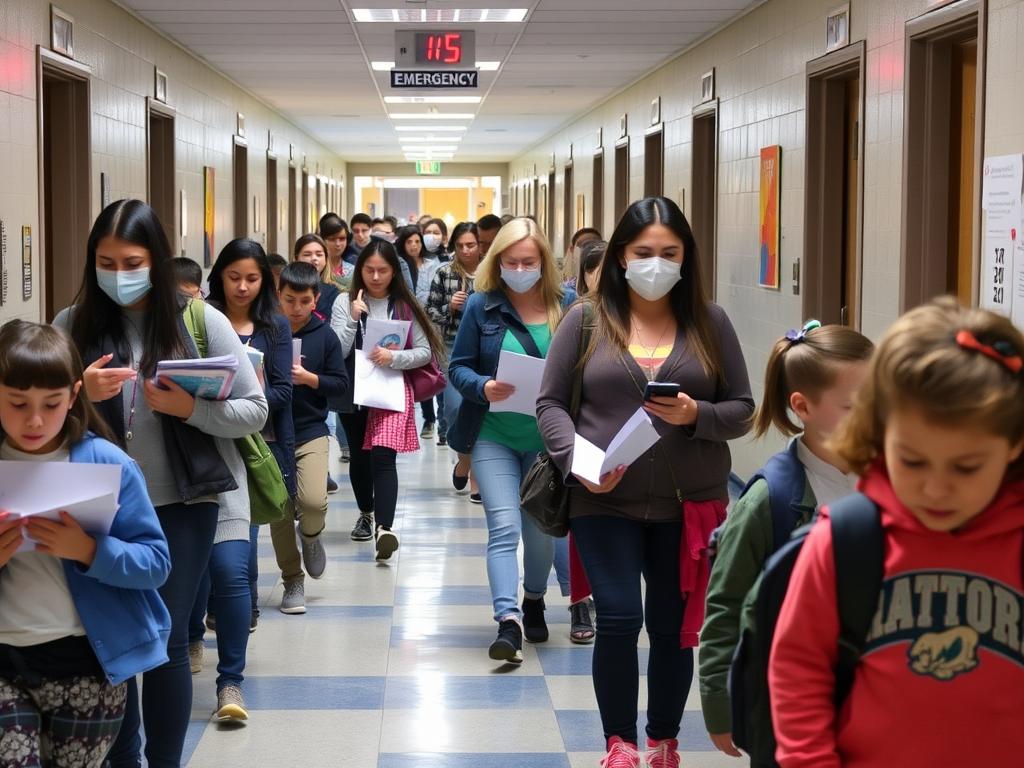
Fire drills are the most common evacuation scenario, but teachers should be prepared for any situation requiring building evacuation. Critical teacher skills include knowing multiple evacuation routes, maintaining updated class rosters, and understanding reunification procedures for reconnecting students with families during emergencies.
Practice these skills regularly through drills, and keep emergency supplies readily accessible. Elementary teachers might create buddy systems for students, while secondary teachers should emphasize meeting points and accountability procedures.
Medical Emergency Response
Teachers should develop basic first aid skills and know how to access emergency medical assistance quickly. Understanding the specific medical needs of students in your class, including allergies or chronic conditions, is an essential teacher skill that could save lives.
Maintain easily accessible emergency contact information and be familiar with your school’s procedures for medical emergencies. Consider pursuing additional certification in CPR and first aid to enhance your emergency response capabilities.
Elementary School Considerations
- Use simple, clear language for emergency instructions
- Practice drills frequently with positive reinforcement
- Create visual aids for emergency procedures
- Develop age-appropriate explanations for safety measures
Secondary School Considerations
- Involve students in safety planning discussions
- Address the “why” behind safety protocols
- Prepare for student use of personal devices during emergencies
- Develop leadership roles for students during drills
Creating Emotionally Safe School Environments
Physical security measures are only one aspect of comprehensive school safety. Equally important is fostering an emotionally safe environment where students feel supported, respected, and connected. Research consistently shows that students who feel emotionally safe are more engaged in learning and less likely to engage in disruptive or dangerous behavior.
Building Positive Relationships
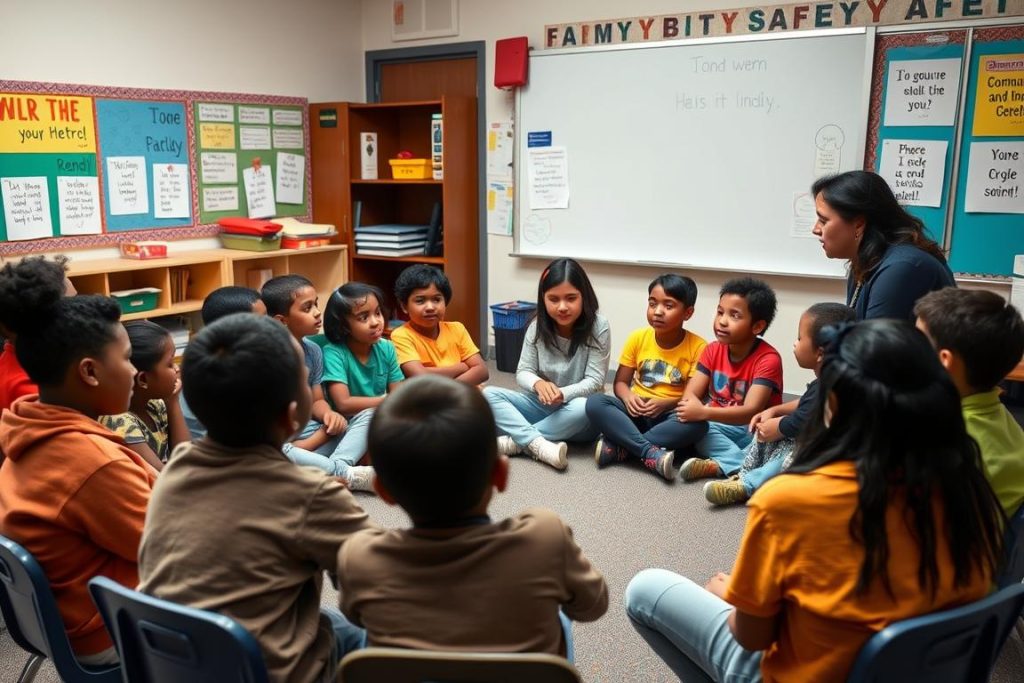
The foundation of emotional safety is strong, trusting relationships between teachers and students. Developing teacher skills in relationship-building includes learning each student’s name quickly, showing genuine interest in their lives, and creating opportunities for positive interactions daily.
For elementary students, this might include morning meetings and check-ins. Middle and high school teachers can implement brief connection activities at the beginning of class or use interest inventories to learn about students’ passions and concerns.
Addressing Bullying and Harassment
Bullying remains one of the most significant threats to school safety. Research from StopBullying.gov indicates that effective anti-bullying programs can reduce bullying by up to 25%. Essential teacher skills include recognizing signs of bullying, intervening effectively, and creating classroom cultures where such behavior is clearly unacceptable.
Implement clear anti-bullying policies in your classroom, teach students to be upstanders rather than bystanders, and provide multiple channels for reporting concerns. Address cyberbullying specifically, as it often extends beyond school hours but impacts the school environment.
Supporting Mental Health
Mental health awareness is an increasingly important aspect of school safety. Teachers need skills in recognizing warning signs of mental health struggles, making appropriate referrals, and creating classroom environments that reduce stress and anxiety.
Incorporate stress-reduction techniques into your daily routine, teach emotional regulation strategies appropriate to your students’ age levels, and maintain communication with school counselors about concerns. Remember that your role is not to diagnose or treat mental health conditions, but to notice changes in behavior and connect students with appropriate resources.
Develop Your Social-Emotional Support Skills
Enhance your ability to create emotionally safe classrooms with our professional development courses. Earn credits while learning practical strategies for supporting student well-being.
Technology Tools for Enhanced School Safety
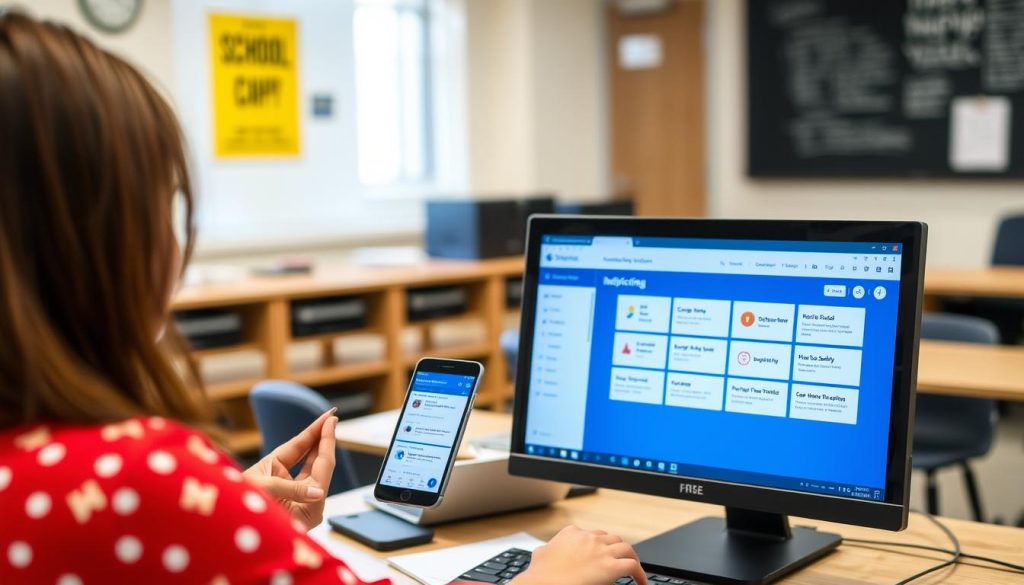
Modern school safety relies heavily on technology that streamlines communication and incident response. From anonymous reporting systems to emergency notification platforms, digital solutions empower faster interventions and better-informed decisions. Developing teacher skills in utilizing these technologies effectively is essential for today’s educational environment.
Communication Systems
Rapid, reliable communication is critical during safety incidents. Modern schools utilize multi-channel emergency notification systems that can simultaneously alert staff, students, parents, and emergency responders. Teacher skills in this area include mastering your school’s communication platforms, maintaining updated contact information, and practicing using these systems regularly.
Familiarize yourself with backup communication methods in case primary systems fail. This might include two-way radios, emergency phones, or predetermined meeting points for in-person updates during extended incidents.
Reporting Tools
Anonymous reporting systems allow students to share safety concerns without fear of retaliation. These platforms have proven effective in preventing incidents by bringing concerns to light before they escalate. Teachers should develop skills in promoting these resources, responding appropriately to reports, and maintaining confidentiality.
Regularly remind students about reporting options and emphasize the difference between reporting and “tattling.” Create classroom environments where speaking up about safety concerns is valued and respected.
Documentation and Management Systems
Case management software helps track safety incidents, identify patterns, and ensure appropriate follow-up. While administration typically manages these systems, teachers play a vital role in documenting observations and concerns. Developing teacher skills in thorough, objective documentation supports school-wide safety efforts.
Document behavioral concerns, safety hazards, or incidents promptly and factually. Follow your school’s protocols for reporting different types of concerns, and maintain appropriate confidentiality throughout the process.
How can teachers effectively integrate safety technology into busy classrooms?
Start by mastering one system at a time rather than trying to implement everything simultaneously. Create visual reminders of emergency procedures near your communication devices, and practice using these tools during non-emergency periods. Consider appointing student technology assistants (in upper grades) who can help with routine safety technology checks.
What should teachers do if school safety technology fails during an emergency?
Always have backup plans in place. Keep paper copies of emergency contacts and procedures in an easily accessible location. Know the nearest alternative communication points (other classrooms, office, etc.) and establish clear protocols with neighboring teachers for emergency assistance. Regular drills should occasionally include scenarios where primary technology is unavailable.
Grade-Specific School Safety Considerations
Safety needs evolve as students progress through their educational journey. Effective safety strategies must be developmentally appropriate and address the unique challenges of each age group. Adapting your teacher skills to match these changing needs is essential for maintaining safe learning environments across all grade levels.

Elementary School (K-5)
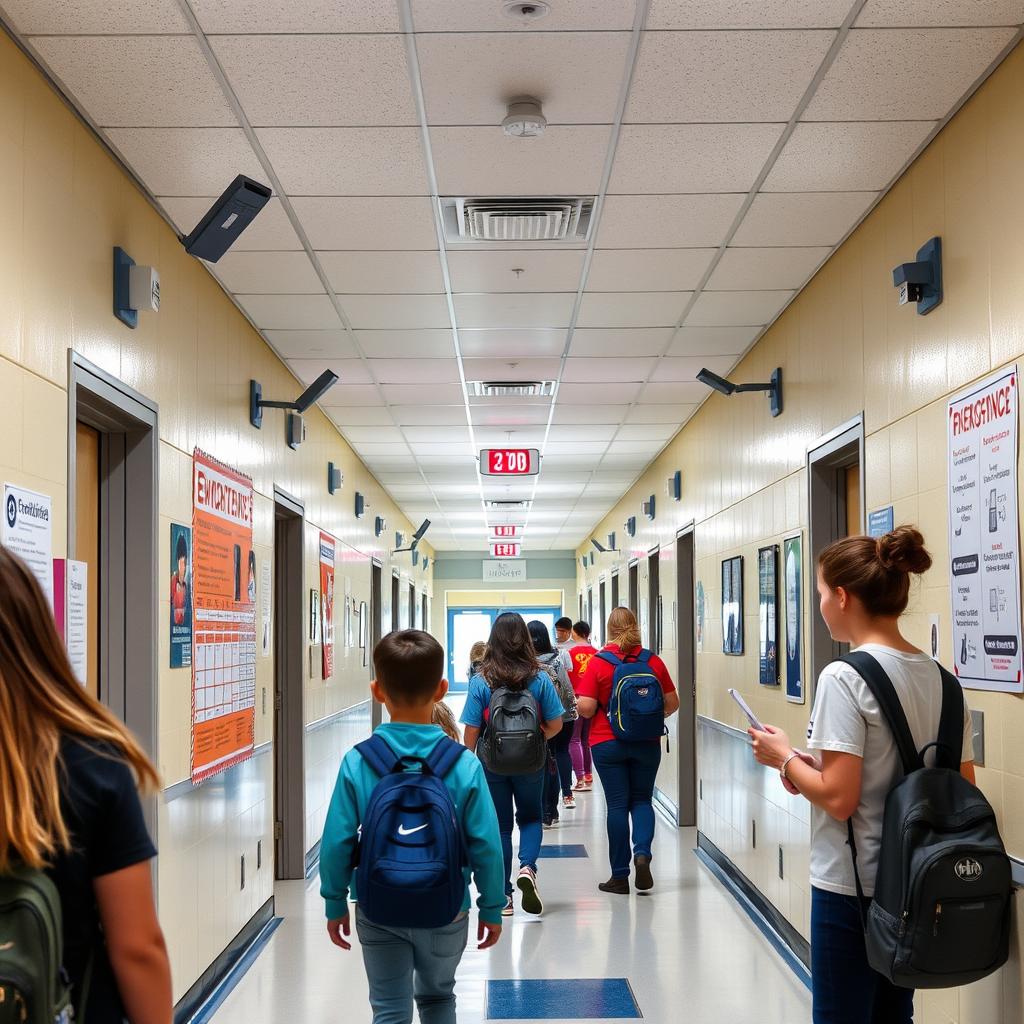
Young students require concrete, simple safety instructions and frequent practice. Key teacher skills include creating visual aids for safety procedures, using age-appropriate language, and making safety routines part of daily classroom life.
- Use stories and role-play to teach safety concepts
- Create simple visual cues for emergency procedures
- Practice frequent, brief safety drills with positive reinforcement
- Teach basic personal boundaries and “safe touch” concepts
- Establish clear procedures for bathroom visits and transitions
Middle School (6-8)
Adolescents need safety protocols that acknowledge their growing independence while providing appropriate structure. Teacher skills should include balancing supervision with autonomy and addressing emerging social dynamics.
- Involve students in safety discussions and planning
- Address digital citizenship and online safety explicitly
- Implement clear protocols for reporting concerning behavior
- Create structured transitions between classes
- Teach conflict resolution strategies appropriate for adolescents
High School (9-12)
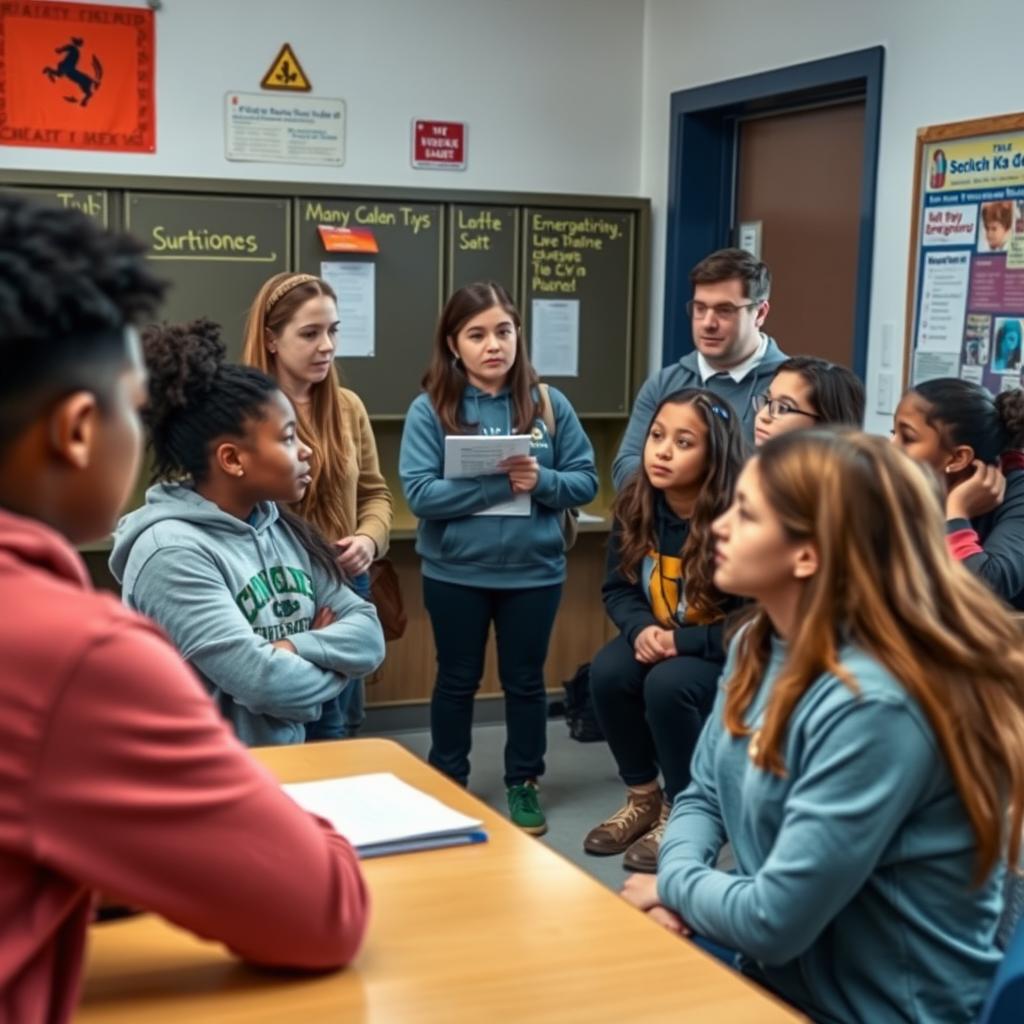
Older students benefit from understanding the “why” behind safety protocols and taking leadership roles in safety initiatives. Teacher skills should include facilitating meaningful discussions about safety and empowering student involvement.
- Develop student safety ambassadors or committees
- Address complex issues like dating violence and substance abuse
- Create open communication channels for reporting concerns
- Teach advanced digital safety and privacy protection
- Prepare students for safety responsibilities beyond high school
Enhance Your Grade-Specific Safety Skills
Our specialized courses help you develop the exact teacher skills needed for your grade level. Earn professional development credits while creating safer learning environments.
Building Community Partnerships for Comprehensive School Safety
School safety extends beyond classroom walls and requires collaboration with families, law enforcement, mental health providers, and community organizations. Developing teacher skills in community engagement strengthens your safety network and provides additional resources during both prevention and response efforts.

Family Engagement
Parents and guardians are essential partners in school safety efforts. Effective teacher skills in this area include clear communication about safety protocols, creating opportunities for family input, and providing resources to reinforce safety concepts at home.
Consider hosting safety information sessions during back-to-school events, creating family-friendly guides to school safety procedures, and establishing clear channels for families to share safety concerns. Remember that cultural differences may influence how families approach safety topics, so strive for inclusive communication strategies.
Law Enforcement Collaboration
Relationships with local law enforcement enhance both prevention and emergency response capabilities. Teachers should develop skills in working effectively with school resource officers (SROs) and understanding how law enforcement integrates with school safety plans.
Invite officers to visit your classroom in non-emergency contexts, include them in age-appropriate safety discussions, and familiarize yourself with protocols for requesting law enforcement assistance. This relationship-building creates a foundation of trust that proves invaluable during actual emergencies.
Mental Health Resources
Community mental health providers offer crucial support for students experiencing challenges that might impact school safety. Teacher skills should include knowledge of available resources, appropriate referral processes, and ongoing communication with mental health professionals while respecting confidentiality.
Maintain updated contact information for mental health resources, understand your school’s referral procedures, and participate in training opportunities related to mental health awareness. Remember that early intervention often prevents safety issues from developing or escalating.
“School safety is a shared responsibility that requires ongoing collaboration between educators, families, and community partners. When we work together with clear communication and mutual respect, we create layers of protection that significantly enhance student well-being.”
Ongoing Professional Development for School Safety
School safety best practices continue to evolve based on research, technology, and lessons learned from incidents nationwide. Commitment to ongoing professional development ensures your teacher skills remain current and effective in creating safe learning environments.
Essential Training Areas
Comprehensive safety training should address multiple dimensions of school safety. Core teacher skills include emergency response procedures, threat assessment, trauma-informed practices, and de-escalation techniques. Seek training that provides both theoretical understanding and practical application opportunities.
Prioritize evidence-based programs that have demonstrated effectiveness in similar school environments. While online training offers convenience, hands-on practice with scenarios specific to your school building provides invaluable experience.
Creating Personal Development Plans
Assess your current teacher skills related to school safety and identify specific areas for growth. Perhaps you’re confident in fire drill procedures but less comfortable with lockdown protocols, or you need additional strategies for supporting students experiencing trauma.
Set concrete goals for skill development, identify resources to support your learning, and establish a timeline for progress. Share your development plan with administrators to align your growth with school-wide safety initiatives and potentially access additional training opportunities.
Learning Communities
Collaborative learning enhances safety preparedness across your school. Consider forming or joining professional learning communities focused on safety topics, participating in cross-grade safety committees, or partnering with colleagues for peer observation and feedback on safety procedures.
These communities provide opportunities to share best practices, problem-solve challenges specific to your school context, and maintain consistent safety approaches across classrooms and grade levels.
Earn Credits While Enhancing Safety Skills
Our professional development courses help you build essential teacher skills for creating safer learning environments while earning credits toward certification requirements.
Creating a Culture of Safety: Your Role as an Educator
School safety is not achieved through isolated measures or one-time initiatives—it’s cultivated through consistent practices that become embedded in school culture. As teachers, we play a pivotal role in establishing and maintaining this culture through our daily interactions, procedures, and priorities.
The teacher skills you’ve developed throughout your career—relationship building, clear communication, consistent expectations, and thoughtful planning—are the same skills that form the foundation of effective safety practices. By intentionally applying these skills through a safety lens, you create layers of protection that significantly enhance student well-being.
Remember that school safety is both a shared responsibility and an ongoing journey. Continuously refine your approaches based on student needs, emerging research, and lessons learned. Celebrate safety successes, address challenges collaboratively, and maintain the perspective that every safety measure ultimately serves our primary mission: creating environments where all students can learn and thrive.
By implementing the strategies outlined in this guide and continuing to develop your teacher skills related to school safety, you contribute to creating not just safer schools, but more positive, supportive learning communities for students at every grade level.
Continue Your Safety Education Journey
Access comprehensive resources, earn professional development credits, and join a community of educators committed to creating safer schools.