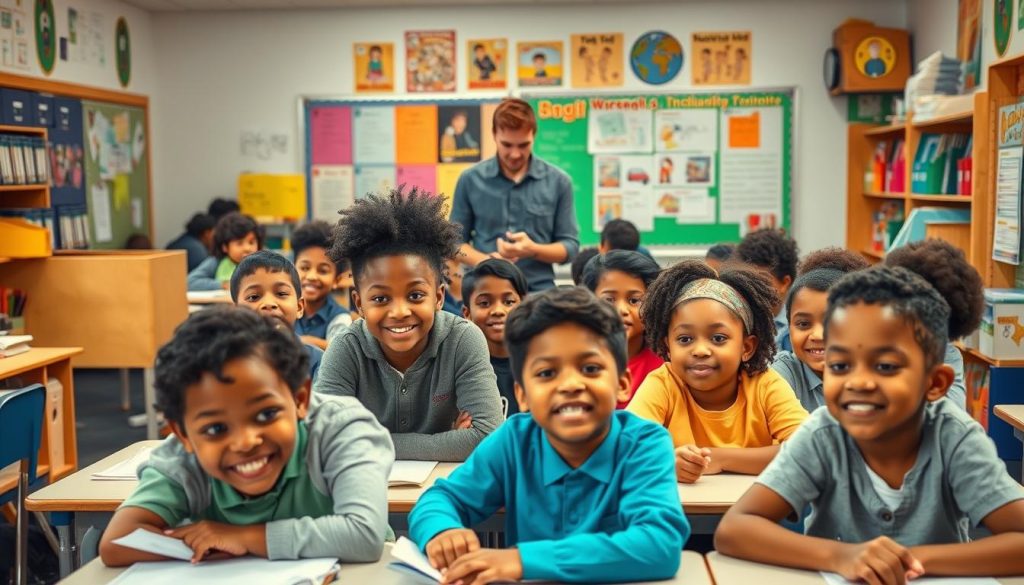

This guide explores practical strategies for developing and maintaining spaces where every student feels valued, protected, and empowered to learn. By enhancing your teacher skills in this crucial area, you’ll not only improve academic outcomes but also contribute to your students’ lifelong social and emotional development.
The Foundation of Safe Learning Environments
What exactly constitutes a safe learning environment? It’s a multidimensional concept that addresses several key aspects of student experience:
Physical Safety
A classroom where students are protected from physical harm, with clear emergency procedures, appropriate supervision, and well-maintained facilities. This foundation allows students to focus on learning rather than worrying about their basic safety needs.
Emotional Safety
An atmosphere where students feel free to express emotions, take risks, and make mistakes without fear of ridicule or judgment. Emotional safety is built through consistent, respectful interactions and clear expectations for behavior.
Intellectual Safety
A space where questions are welcomed, curiosity is encouraged, and diverse perspectives are valued. Students feel comfortable sharing ideas, even when uncertain, knowing their contributions will be respected.
According to a study by the American Psychological Association, teachers who create positive relationships with their students establish safer classroom atmospheres that better meet students’ developmental, emotional, and academic needs.
Developing the teacher skills necessary to create these dimensions of safety requires ongoing commitment and practice. The most effective educators recognize that safe learning environments aren’t created once and maintained automatically—they require daily attention and intentional effort.
Building Blocks for Creating Safe Learning Environments
Implementing practical strategies is essential for establishing and maintaining safe learning environments. Here are key approaches that leverage fundamental teacher skills to create spaces where all students can thrive:
1. Establish Consistent Routines and Clear Expectations
Predictability creates security. When students know what to expect each day, they can focus on learning rather than navigating uncertainty. Developing the teacher skills to establish and maintain consistent routines is foundational to classroom safety.
- Begin each day with a morning meeting to set a positive tone
- Create classroom rules collaboratively with students
- Post visual reminders of expectations and procedures
- Practice transitions and routines until they become automatic
- Maintain consistency while allowing flexibility for individual needs
2. Build Trusting Relationships
The foundation of any safe learning environment is trust between teachers and students, and among students themselves. Developing relationship-building teacher skills is perhaps the most important investment you can make.
- Learn and use students’ names correctly from day one
- Share appropriate personal stories to humanize yourself
- Take time to learn about students’ interests and experiences
- Acknowledge and celebrate students’ unique qualities and strengths
- Create opportunities for one-on-one conversations with each student
Developing these relationship-building teacher skills creates the foundation upon which all other aspects of safe learning environments are built. When students trust you, they’re more willing to take risks, ask questions, and engage deeply with learning.
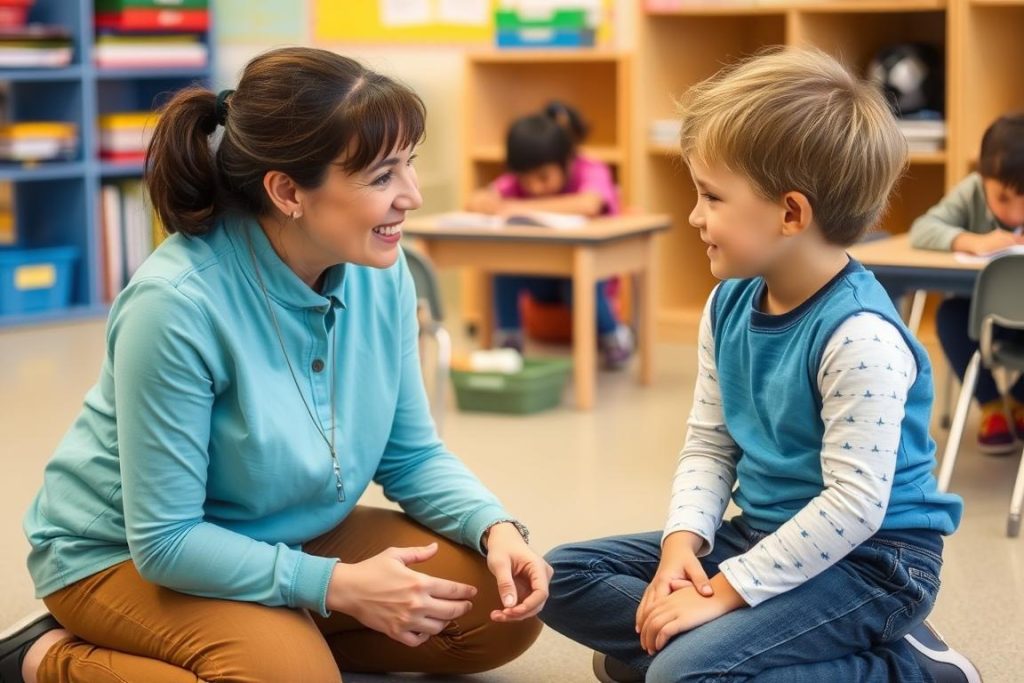
3. Create a Judgment-Free Zone
Students need to know they won’t be ridiculed for asking questions, making mistakes, or expressing themselves. Developing the teacher skills to foster this atmosphere requires both modeling and explicit teaching.
- Model respectful language and interactions at all times
- Address disrespectful behavior immediately and privately
- Normalize mistakes as part of the learning process
- Encourage peer support rather than competition
- Celebrate diverse perspectives and approaches to learning
By developing these essential teacher skills, you create a classroom where students feel safe to be themselves and take the intellectual risks necessary for deep learning. For more strategies on creating judgment-free classrooms, explore specialized resources designed for K-12 educators.
The Role of Teacher Skills in Sustaining Safe Learning Environments
Creating safe learning environments isn’t a one-time effort—it requires ongoing development of specific teacher skills that allow you to respond effectively to the changing needs of your classroom community.
Cultural Competency
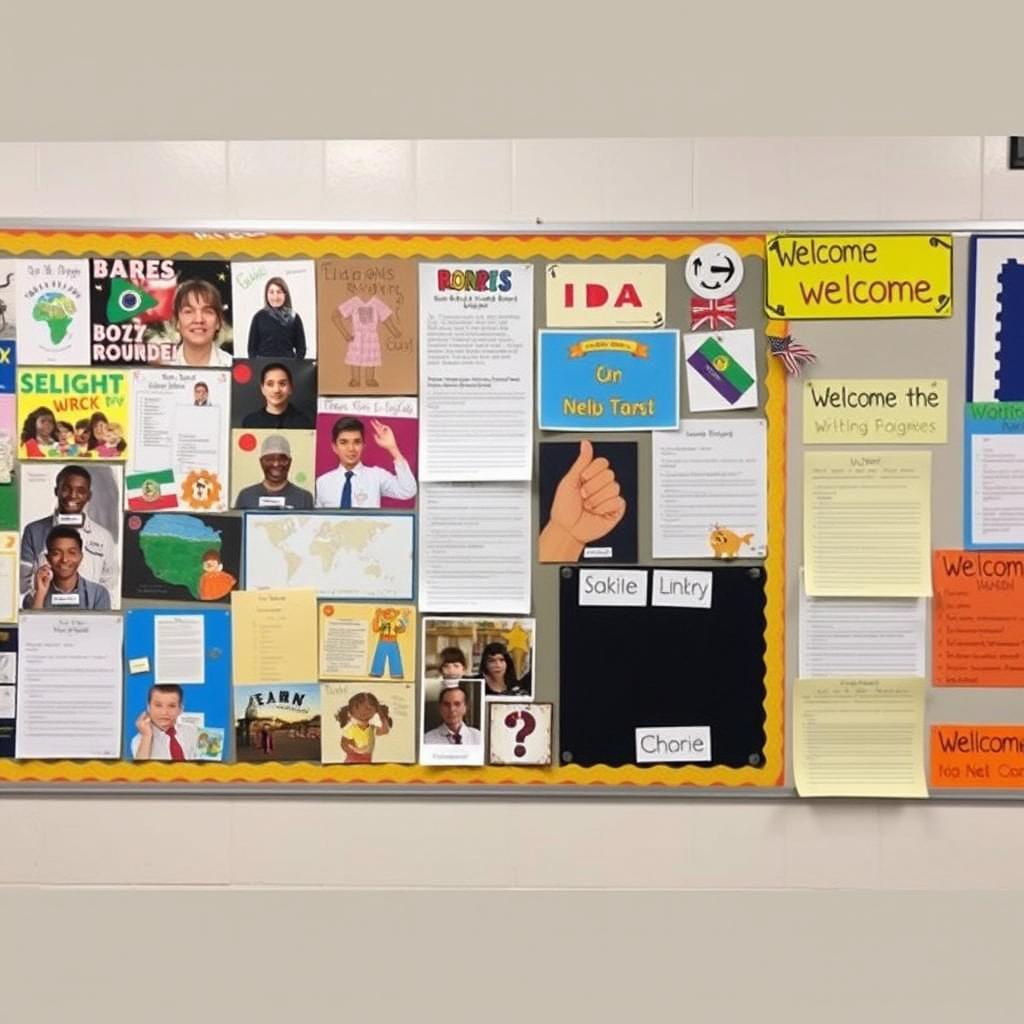
Developing cultural competency as a core teacher skill enables you to create truly inclusive safe learning environments. This involves understanding and respecting the diverse backgrounds, experiences, and perspectives of your students.
- Incorporate diverse literature and materials that reflect all students
- Learn about and honor the cultural practices of your students
- Examine your own biases and how they might impact your teaching
- Create opportunities for students to share their cultural knowledge
Conflict Resolution
Even in the most carefully cultivated safe learning environments, conflicts will arise. Developing conflict resolution as a teacher skill allows you to transform these moments into valuable learning opportunities.
- Teach and model active listening techniques
- Implement restorative practices rather than punitive measures
- Create a structured process for addressing conflicts
- Help students identify emotions and express needs appropriately
- Follow up after conflicts to ensure relationships are repaired
Social-Emotional Learning Facilitation
Perhaps the most important teacher skill for maintaining safe learning environments is the ability to facilitate social-emotional learning (SEL). This involves helping students develop self-awareness, self-management, social awareness, relationship skills, and responsible decision-making.
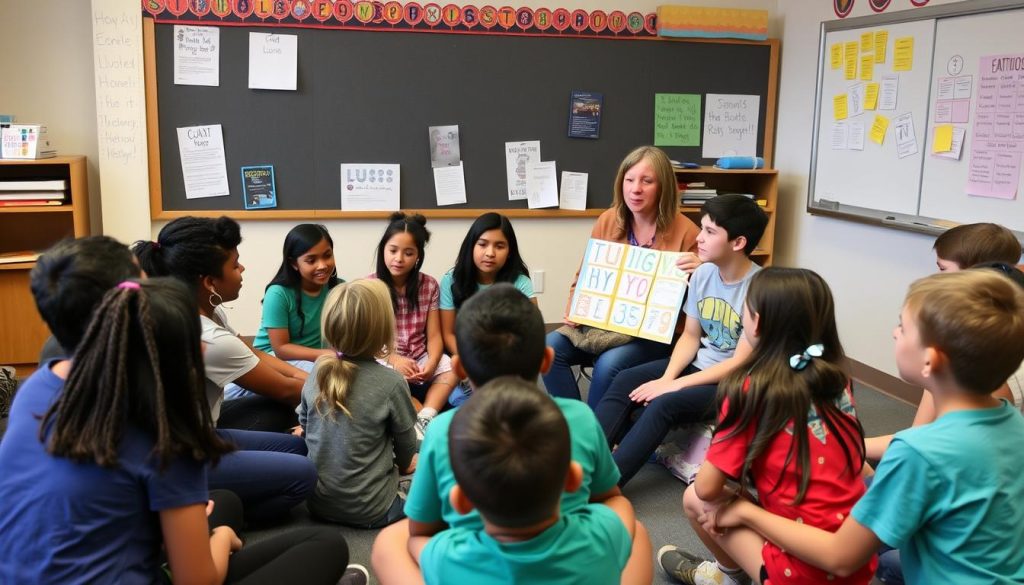
Integrating SEL into your daily teaching practice requires specific teacher skills that can be developed through intentional practice and professional development. Explore resources designed to enhance these critical skills and transform your classroom into a truly supportive learning community.
Navigating Challenges in Maintaining Safe Learning Environments
Even the most skilled educators face obstacles when creating and maintaining safe learning environments. Recognizing these challenges and developing the teacher skills to address them effectively is essential for long-term success.
While consistent routines are essential for safe learning environments, rigid adherence to rules can sometimes undermine safety for students with unique needs. Developing the teacher skills to maintain predictable structures while accommodating individual differences is crucial.
Try implementing “flexible firmness”—maintain non-negotiable expectations around respect and safety while allowing flexibility in how students meet academic and behavioral goals. This approach honors both structure and individual needs.
Navigating differences between school policies and your vision for a safe learning environment requires diplomatic teacher skills. Start by identifying the underlying values of school policies and finding alignment with your own goals.
Work within existing frameworks while advocating for changes that would better support student safety and learning. Document the positive outcomes of your approach to build a case for broader adoption of effective practices.
Students who have experienced unsafe environments may bring defensive behaviors into your classroom. Developing the teacher skills to address these patterns with patience and consistency is essential for creating truly safe learning environments.
Focus on building trust before attempting to change behaviors. Provide clear, predictable responses to challenging behaviors while maintaining unconditional positive regard for the student. Remember that changing established patterns takes time and consistent positive experiences.
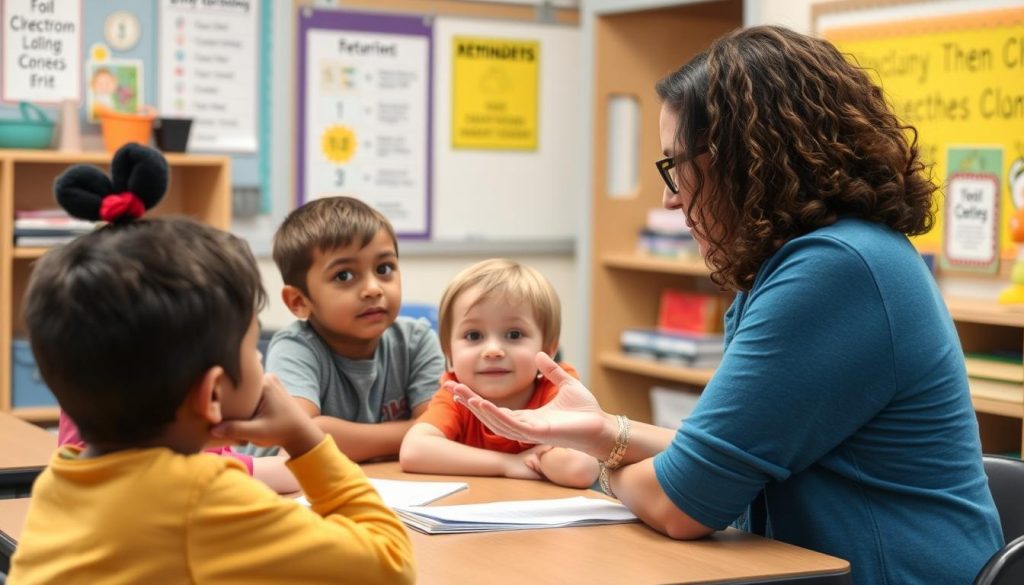
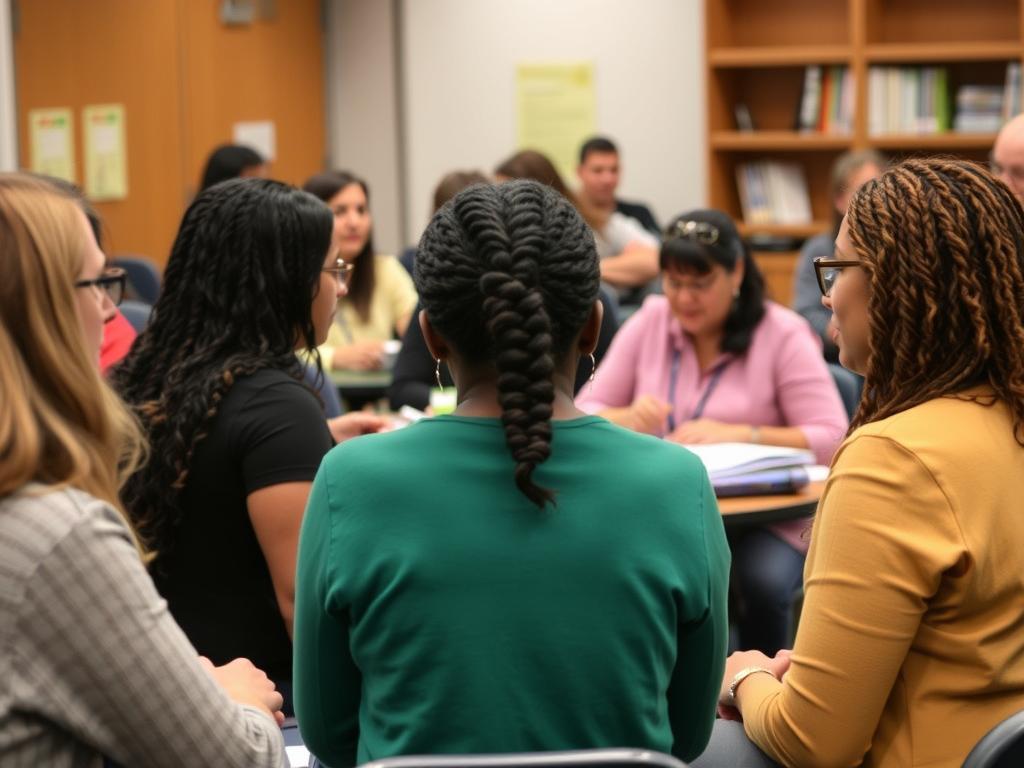
Developing the teacher skills to navigate these challenges effectively takes time and support. Consider connecting with colleagues who share your commitment to creating safe learning environments, and seek out professional development opportunities that address these specific challenges.
Resources and Next Steps for Your Safe Learning Environment
Creating and maintaining safe learning environments is an ongoing journey that requires continuous development of essential teacher skills. Fortunately, there are numerous resources available to support you in this important work.
Professional Development Opportunities
Enhancing your teacher skills through targeted professional development can transform your ability to create safe learning environments. Credits for Teachers offers specialized courses designed specifically for K-12 educators looking to develop these critical competencies.
Their comprehensive Safe Learning Environment course provides practical strategies that you can implement immediately in your classroom. This resource is particularly valuable because it:
- Addresses all dimensions of classroom safety (physical, emotional, intellectual)
- Provides research-based approaches tailored to different grade levels
- Offers concrete tools for developing essential teacher skills
- Includes implementation support to ensure successful application
Classroom Assessment Tools
Regularly assessing the safety of your learning environment helps identify areas for growth and celebrate successes. Consider implementing these assessment strategies:
- Anonymous student surveys about classroom climate
- Peer observation focused specifically on safety indicators
- Self-assessment of your teacher skills related to creating safety
- Data tracking of student participation and engagement
These assessment approaches provide valuable feedback that can guide your ongoing development of the teacher skills necessary for maintaining safe learning environments.
Take Your Teacher Skills to the Next Level
Ready to transform your classroom into a truly safe learning environment? Explore the comprehensive resources available through Credits for Teachers and start implementing research-based strategies today.
Conclusion: Your Journey to Creating Safe Learning Environments
Creating safe learning environments is both a science and an art. It requires developing specific teacher skills while remaining responsive to the unique needs of your students and classroom community. The strategies outlined in this guide provide a foundation, but the most effective approaches will be those you adapt and refine based on your specific context.
Remember that building safety is an ongoing process, not a destination. Each day presents new opportunities to strengthen trust, deepen connections, and create spaces where all students feel valued and empowered to learn. By consistently developing your teacher skills in this crucial area, you’re making an investment that will yield benefits far beyond academic achievement—you’re helping shape students who feel secure enough to take risks, express themselves authentically, and engage deeply with learning.
As you continue this important work, know that you’re not alone. Connect with colleagues who share your commitment to creating safe learning environments, seek out additional resources through professional development opportunities, and celebrate the progress you make, however incremental it may seem.
Your dedication to creating safety for your students is one of the most meaningful gifts you can offer them—and one of the most powerful ways you can enhance your impact as an educator.