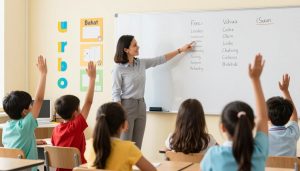
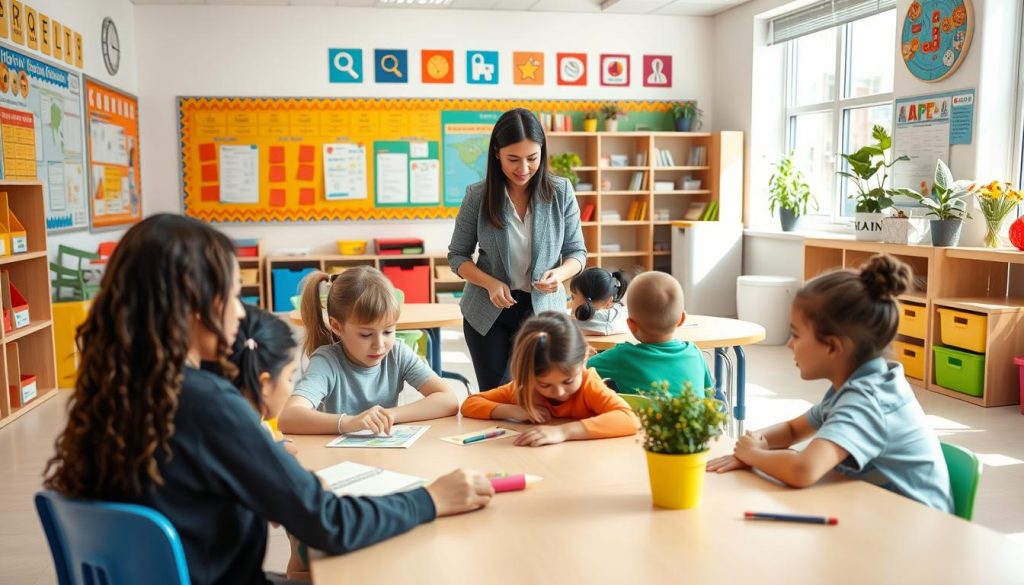
Modern Safe Environment Models prioritize both physical safety and emotional security
Understanding Safe Environment Models in Modern Education
Safe Environment Models represent structured approaches to creating learning spaces that address both physical and psychological safety needs. These models recognize that students cannot effectively learn when they feel threatened, anxious, or insecure. The concept builds upon Maslow’s hierarchy of needs, acknowledging that safety is a fundamental requirement before higher-level learning can occur.
Research consistently shows that students in safe environments demonstrate improved academic performance, better attendance, and fewer behavioral issues. For teachers, implementing these models requires specific teacher skills that combine classroom management, emotional intelligence, and physical space design. These teacher skills have become increasingly important as schools face new challenges related to student mental health, technological integration, and diverse learning needs.
Core Elements of Effective Safe Environment Models
While specific approaches vary, most successful Safe Environment Models share several key components:
- Clear, consistent behavioral expectations
- Physical spaces designed for safety and accessibility
- Trauma-informed teaching practices
- Proactive conflict resolution strategies
- Inclusive community-building activities
- Regular safety assessments and improvements
Developing these teacher skills requires both training and practice. Many educators find that professional development specifically focused on Safe Environment Models can significantly enhance their classroom effectiveness. These specialized skills help teachers not only prevent problems but also respond appropriately when issues arise.
Enhance Your Safe Environment Skills
Looking to develop the essential teacher skills needed to implement effective Safe Environment Models? Our comprehensive course provides practical strategies you can apply immediately in your classroom.
The Evolution of Safe Environment Models in Education
Safe Environment Models have undergone significant transformation over the past few decades. What began as primarily physical safety measures has evolved into comprehensive frameworks that address emotional, social, and psychological well-being alongside physical security.
| Era | Focus | Key Approaches | Teacher Skills Emphasized |
| 1980s-1990s | Physical Safety | Security measures, emergency protocols, building safety | Surveillance, rule enforcement, emergency response |
| 2000s-2010s | Behavioral Management | PBIS, character education, anti-bullying programs | Behavior management, conflict resolution, relationship building |
| 2010s-Present | Holistic Well-being | Trauma-informed teaching, SEL, restorative practices | Emotional intelligence, cultural responsiveness, community building |
| Emerging | Integrated Systems | MTSS, personalized safety plans, technology integration | Data analysis, adaptive intervention, digital safety |
This evolution reflects our growing understanding of how safety influences learning. Modern Safe Environment Models recognize that students bring diverse experiences, including potential trauma, into the classroom. Developing the teacher skills to address these varied needs has become essential for effective education.
As noted in recent educational research, parents are increasingly seeking schools that implement comprehensive Safe Environment Models. They recognize that traditional educational approaches may not adequately address the complex challenges students face today. This shift in parent expectations has accelerated the adoption of innovative safety frameworks across educational settings.
The evolution of Safe Environment Models reflects changing educational priorities and research
Key Components of Successful Safe Environment Models
Implementing effective Safe Environment Models requires attention to multiple dimensions of the classroom experience. Each component addresses different aspects of student safety and requires specific teacher skills to implement successfully.
Physical Safety
The foundation of any Safe Environment Model begins with ensuring physical security. This includes:
- Clear emergency procedures
- Properly maintained facilities
- Age-appropriate equipment
- Accessible design for all students
- Regular safety inspections
Teachers need to develop teacher skills in environmental assessment to identify and address potential hazards before they cause harm.
Emotional Safety
Psychological security is equally important in effective Safe Environment Models:
- Predictable routines and transitions
- Positive, respectful communication
- Recognition of diverse emotional needs
- Strategies for managing stress and anxiety
- Trauma-informed approaches
Developing teacher skills in emotional intelligence helps educators recognize and respond to students’ emotional states effectively.
Social Safety
Creating environments where students feel socially secure involves:
- Anti-bullying protocols
- Inclusive community-building activities
- Conflict resolution frameworks
- Cultural responsiveness
- Collaborative learning structures
Teachers must cultivate teacher skills in facilitating positive peer interactions and addressing social dynamics that affect classroom safety.
Successful implementation requires integrating these components into a cohesive approach. When teachers develop teacher skills across all three dimensions, they create truly comprehensive Safe Environment Models that support all aspects of student well-being.
Effective Safe Environment Models balance physical, emotional, and social safety needs
Ready to Transform Your Classroom Environment?
Discover practical strategies for implementing comprehensive Safe Environment Models in your classroom. Our resources help you develop the essential teacher skills needed for creating secure, supportive learning spaces.
Research-Based Safe Environment Models That Work
Several evidence-based Safe Environment Models have demonstrated significant positive impacts on student outcomes. These frameworks provide structured approaches that teachers can adapt to their specific classroom contexts.
The SEEK Model (Safe Environment for Every Kid)
Originally developed in pediatric settings, the SEEK model has been successfully adapted for educational environments. This approach focuses on identifying and addressing risk factors that might compromise student safety and well-being.
Key elements of the SEEK model include:
- Systematic screening for potential safety concerns
- Collaborative problem-solving with families
- Connection to community resources
- Ongoing monitoring and support
Research has shown that implementing the SEEK model can significantly reduce incidents of problematic behavior and improve overall classroom climate. Teachers who develop the teacher skills needed for this model report greater confidence in addressing safety concerns.
Trauma-Informed Safe Environment Model
This approach recognizes that many students bring experiences of trauma into the classroom, which can significantly impact their ability to learn and feel safe. The trauma-informed model equips teachers with teacher skills to recognize signs of trauma and respond appropriately.
Core practices include:
- Creating predictable environments with clear routines
- Offering choices to build a sense of control
- Teaching self-regulation strategies
- Using restorative rather than punitive approaches to behavior
- Building strong, supportive relationships
Schools implementing trauma-informed Safe Environment Models have reported reductions in disciplinary incidents and improvements in academic engagement. These approaches require teachers to develop specific teacher skills in trauma recognition and response.
PBIS-Based Safe Environment Model
Positive Behavioral Interventions and Supports (PBIS) provides a framework for creating safe, predictable environments through clear expectations and positive reinforcement. This model has been widely implemented and researched across educational settings.
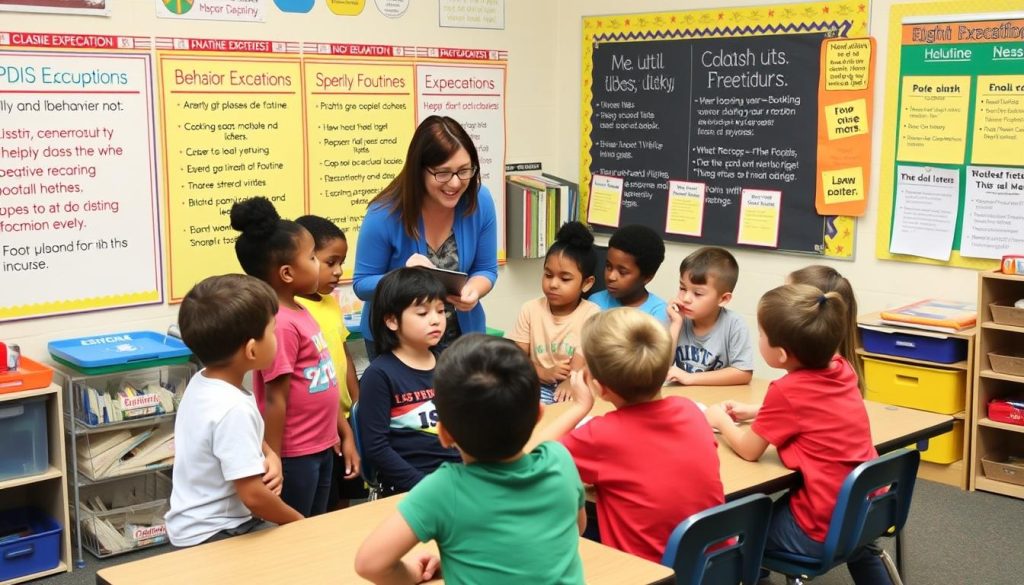
PBIS-based Safe Environment Models emphasize clear expectations and positive reinforcement
Key components include:
- Clearly defined behavioral expectations
- Explicit teaching of expected behaviors
- Recognition systems for positive behavior
- Data-based decision making
- Tiered support systems for varying needs
Research consistently shows that PBIS implementation leads to safer school environments with fewer disciplinary problems. The teacher skills required for this model include consistent communication of expectations and effective positive reinforcement techniques.
Each of these models offers valuable frameworks that can be adapted to different educational contexts. The most effective approach often involves combining elements from multiple models to create a comprehensive Safe Environment Model tailored to your specific classroom needs.
Practical Implementation Strategies for Safe Environment Models
Translating Safe Environment Models from theory to practice requires thoughtful planning and specific teacher skills. Here are practical strategies for implementing these models in your classroom:
Assessment & Planning
- Conduct a comprehensive safety audit of your physical space
- Survey students about where and when they feel unsafe
- Identify specific safety goals based on your classroom needs
- Create an implementation timeline with measurable benchmarks
- Involve students in the planning process to build ownership
Environment Design
- Arrange furniture to allow clear sightlines and easy movement
- Create designated spaces for different activities and needs
- Ensure materials are organized and accessible
- Post visual supports for routines and expectations
- Design sensory-friendly areas for regulation
Community Building
- Establish shared values through collaborative discussions
- Implement regular class meetings to address concerns
- Use team-building activities to strengthen relationships
- Create systems for peer support and conflict resolution
- Celebrate diversity and promote inclusion actively
Developing these implementation teacher skills takes time and practice. Many educators find that professional development specifically focused on Safe Environment Models can accelerate their learning process and help them avoid common pitfalls.
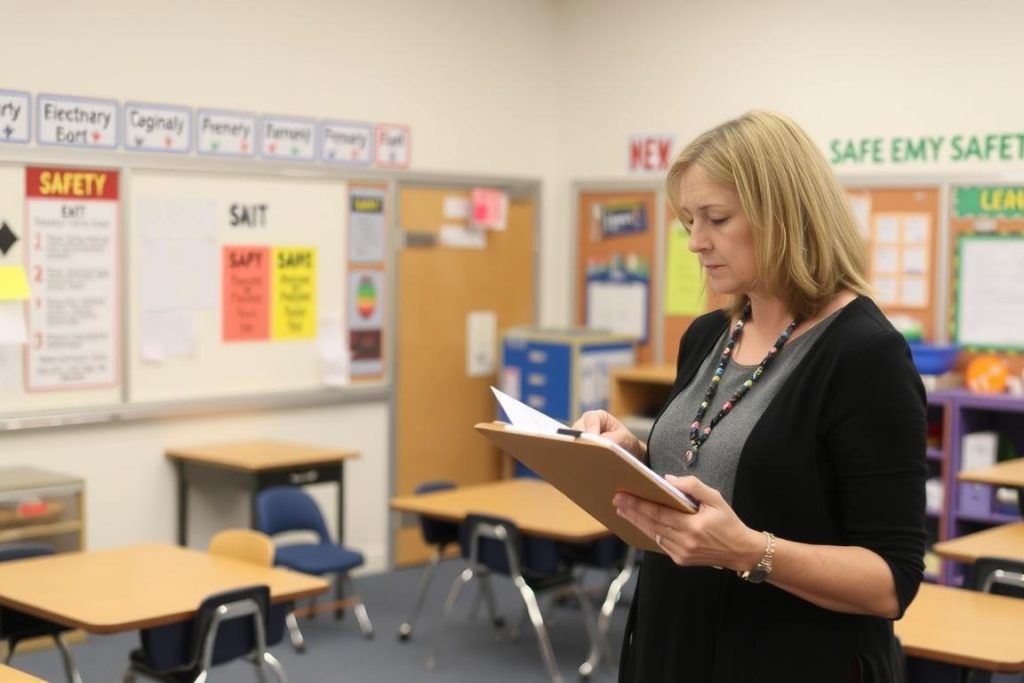
Regular safety assessments are a crucial component of implementing Safe Environment Models
Overcoming Common Implementation Challenges
Even with careful planning, educators often encounter obstacles when implementing Safe Environment Models. Developing problem-solving teacher skills helps address these challenges effectively:
Challenge: Limited Resources
Solution: Prioritize no-cost or low-cost safety improvements first, such as rearranging furniture, creating clear visual supports, and establishing consistent routines. Partner with parent organizations or apply for small grants for more substantial needs.
Challenge: Resistance to Change
Solution: Start with small, visible wins that demonstrate the benefits of Safe Environment Models. Involve resistant colleagues or students in the planning process to build ownership. Share data showing positive impacts on learning and behavior.
Challenge: Maintaining Consistency
Solution: Create simple documentation systems for safety procedures. Develop visual reminders for both teachers and students. Schedule regular check-ins to review and recommit to safety practices. Partner with colleagues for mutual accountability.
Challenge: Addressing Complex Needs
Solution: Adopt a tiered approach that provides universal safety measures for all students while offering additional supports for those with specific needs. Build partnerships with school counselors and community resources for specialized assistance.
Successful implementation requires developing teacher skills in both planning and adaptation. The most effective Safe Environment Models evolve over time in response to changing classroom needs and emerging best practices.
Need Help Implementing Safe Environment Models?
Our comprehensive resources provide step-by-step guidance for creating safe, supportive learning environments. Develop the essential teacher skills you need to implement effective safety frameworks in your classroom.
Measuring the Success of Your Safe Environment Models
Effective implementation of Safe Environment Models requires ongoing assessment and refinement. Developing evaluation teacher skills helps educators determine what’s working and where adjustments are needed.
Key Indicators of Successful Implementation
When Safe Environment Models are working effectively, you should observe improvements in several areas:
- Reduced behavioral incidents and office referrals
- Increased student attendance and engagement
- Improved academic performance
- Enhanced student self-regulation
- More positive peer interactions
- Greater student reporting of safety concerns
- Increased parent satisfaction and involvement
Assessment Tools and Strategies
Developing teacher skills in data collection and analysis helps educators objectively evaluate their Safe Environment Models. Consider using these assessment approaches:
| Assessment Type | Examples | What It Measures | Implementation Tips |
| Observational Tools | Safety checklists, environment rating scales, behavior tracking forms | Physical safety features, classroom organization, student interactions, teacher practices | Use consistently at scheduled intervals; involve multiple observers when possible |
| Student Feedback | Safety surveys, focus groups, suggestion boxes, exit tickets | Perceived safety, belonging, emotional well-being, areas of concern | Ensure anonymity when appropriate; use age-appropriate formats |
| Quantitative Data | Attendance records, discipline referrals, academic performance metrics | Behavioral trends, engagement patterns, academic impact | Track data over time to identify patterns and progress |
| Stakeholder Input | Parent surveys, colleague observations, administrator feedback | External perceptions of safety, communication effectiveness, consistency | Gather input from diverse stakeholders; compare with internal assessments |
Developing these assessment teacher skills allows for data-driven refinement of your Safe Environment Models. Regular evaluation helps identify both successes to celebrate and areas needing adjustment.
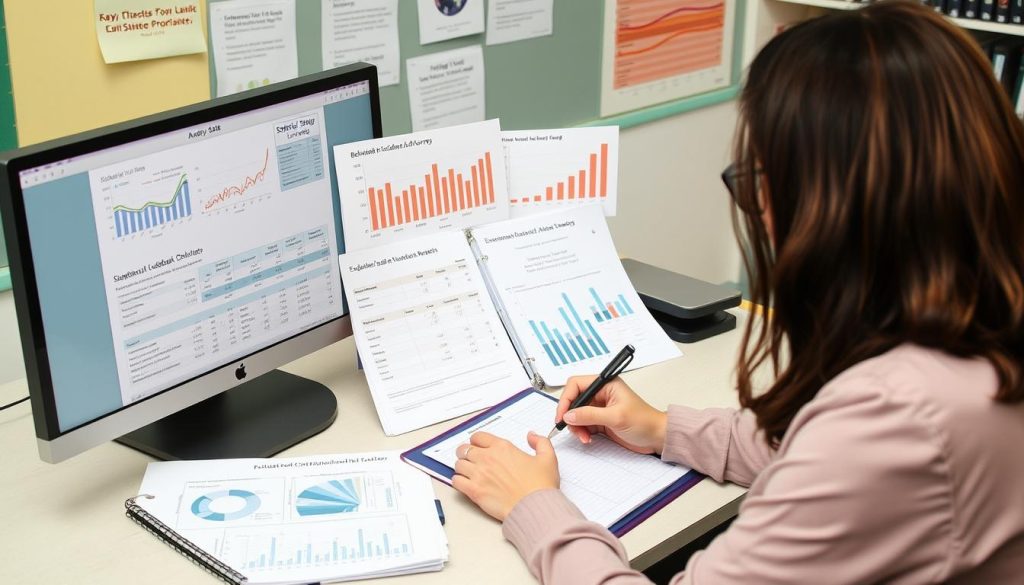
Regular data analysis helps refine and improve Safe Environment Models over time
Continuous Improvement Process
The most effective Safe Environment Models evolve through an ongoing cycle of assessment and refinement. Developing these continuous improvement teacher skills ensures your approach remains responsive to changing needs:
- Collect data from multiple sources using the assessment tools described above
- Analyze patterns to identify both strengths and areas for improvement
- Prioritize adjustments based on impact and feasibility
- Implement changes systematically, communicating clearly with all stakeholders
- Monitor results to determine if changes are having the desired effect
- Repeat the cycle regularly to maintain and enhance safety
This iterative approach helps ensure that your Safe Environment Models remain effective even as classroom dynamics, student needs, and educational priorities evolve over time.
Integrating Technology into Safe Environment Models
Technology plays an increasingly important role in modern Safe Environment Models. Developing digital teacher skills helps educators leverage technology effectively while addressing new safety considerations it introduces.
Benefits of Technology in Safe Environments
When thoughtfully integrated, technology can enhance several aspects of Safe Environment Models:
- Digital monitoring systems for physical safety
- Communication tools for emergency notifications
- Platforms for anonymous reporting of concerns
- Apps that teach and reinforce self-regulation
- Data systems that track safety metrics
- Virtual reality for practicing safety procedures
Digital Safety Considerations
As technology becomes more prevalent in classrooms, Safe Environment Models must address new safety concerns. Developing these protective teacher skills is essential:
Online Safety
- Clear guidelines for appropriate online behavior
- Digital citizenship curriculum
- Monitoring systems for school devices
- Protocols for addressing cyberbullying
- Age-appropriate content filters
Data Privacy
- Secure storage of student information
- Permission protocols for sharing student work
- Training on privacy regulations
- Careful vetting of educational apps
- Regular security updates
Digital Well-being
- Screen time guidelines and breaks
- Ergonomic considerations for device use
- Balance between digital and non-digital activities
- Strategies for managing digital distractions
- Support for students with limited home access
Developing these technology-related teacher skills helps ensure that digital tools enhance rather than compromise your Safe Environment Models. Professional development in digital safety can help teachers navigate these complex considerations.
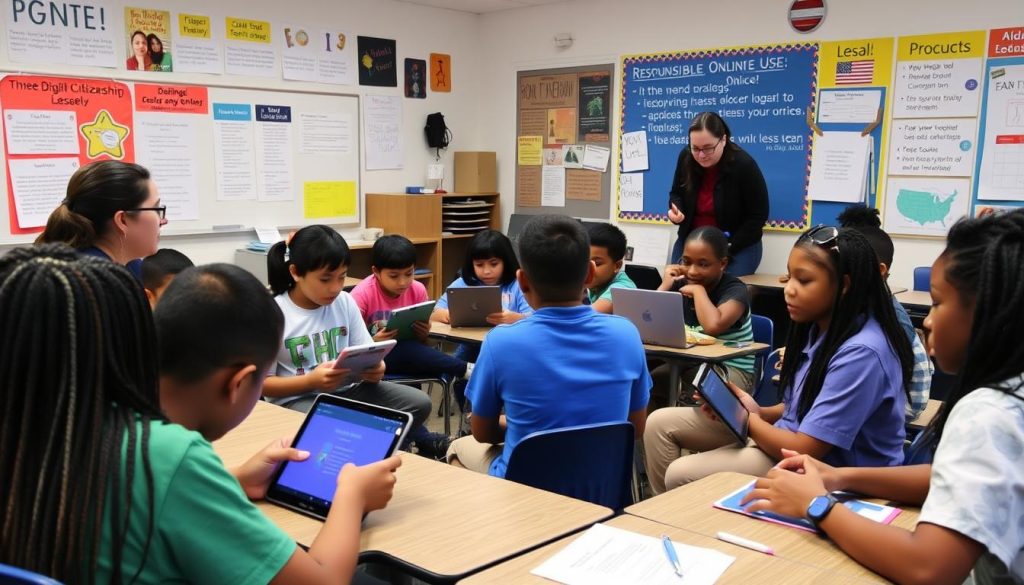
Digital citizenship education is an essential component of modern Safe Environment Models
As technology continues to evolve, Safe Environment Models must adapt accordingly. Staying current with digital safety best practices is an ongoing process that requires regular professional development and collaboration with technology specialists.
Enhance Your Digital Safety Skills
Our resources help you develop the essential teacher skills needed to integrate technology safely and effectively into your classroom environment.
Taking a Collaborative Approach to Safe Environment Models
Creating truly effective Safe Environment Models requires collaboration beyond the individual classroom. Developing collaborative teacher skills helps educators build comprehensive safety networks that support student well-being.
Key Stakeholders in Safe Environment Creation
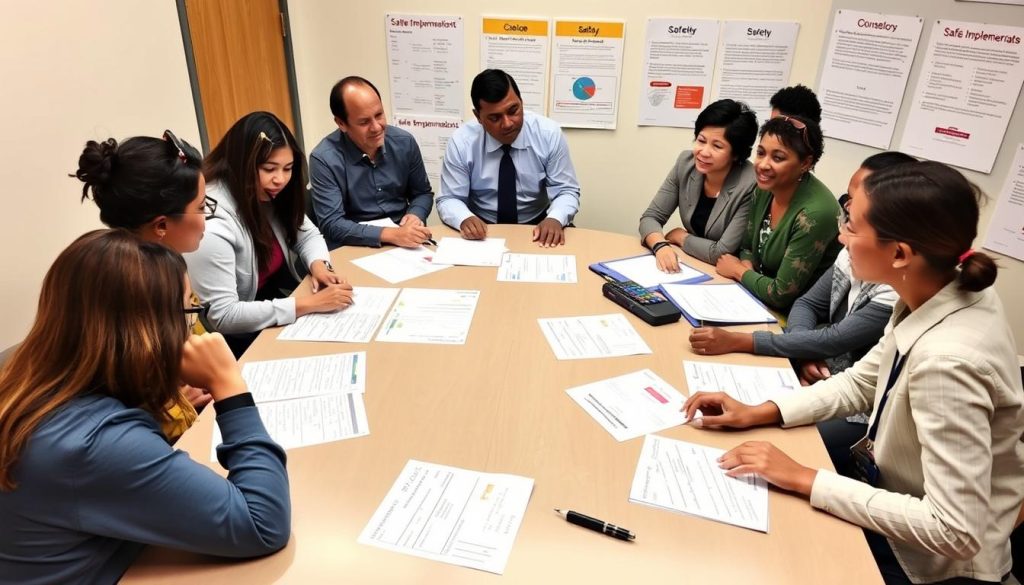
Effective Safe Environment Models involve input from diverse stakeholders
Successful implementation involves engaging multiple partners:
Within the School
- Fellow teachers for consistent practices
- Administrators for policy support
- Counselors for specialized expertise
- Support staff who interact with students
- Students as active participants
Family Partners
- Parents/guardians for home-school alignment
- Family resource centers
- Parent-teacher organizations
- Cultural liaisons for diverse families
- Extended family involved in care
Community Resources
- Mental health providers
- Social service agencies
- Law enforcement partners
- Community centers and programs
- Local businesses and organizations
Developing the teacher skills needed for effective collaboration helps create seamless safety networks that support students across contexts. These partnerships extend the impact of classroom-based Safe Environment Models.
Strategies for Effective Collaboration
Building strong collaborative relationships requires specific teacher skills and approaches:
- Establish clear communication channels – Create systems for regular information sharing across stakeholder groups
- Define roles and responsibilities – Clarify who is responsible for different aspects of safety implementation
- Develop shared language – Ensure all partners use consistent terminology when discussing safety
- Create feedback loops – Establish mechanisms for stakeholders to share observations and concerns
- Celebrate collective successes – Recognize the contributions of all partners to safety improvements
These collaborative teacher skills help create cohesive Safe Environment Models that support students consistently across different settings and relationships.
“The most effective Safe Environment Models extend beyond classroom walls, creating consistent safety practices across all the contexts where students learn and grow.”
By developing strong collaborative networks, educators can create Safe Environment Models that provide comprehensive support for student well-being and learning.
Case Studies: Successful Safe Environment Models in Action
Examining real-world implementations helps illustrate how Safe Environment Models can transform educational settings. These case studies highlight the specific teacher skills and approaches that contributed to successful outcomes.
Elementary School Transformation
Westside Elementary School implemented a comprehensive Safe Environment Model after experiencing increasing behavioral incidents and declining academic performance. Their approach included:
- Physical redesign of classroom spaces to create clear sightlines and defined activity areas
- Implementation of consistent visual supports for routines and expectations
- Daily community circles to build relationships and address concerns
- Trauma-informed training for all staff members
- Partnership with local mental health providers for additional support
Results: Within one academic year, disciplinary referrals decreased by 42%, attendance improved by 8%, and teacher retention increased significantly. Teachers reported developing new teacher skills in emotional support and proactive problem-solving.
Middle School Digital Safety Initiative
Lakeside Middle School developed a Safe Environment Model specifically addressing digital safety concerns after several cyberbullying incidents. Their approach included:
- Weekly digital citizenship lessons integrated into core curriculum
- Anonymous reporting system for online safety concerns
- Clear protocols for addressing digital harassment
- Parent education workshops on supporting digital safety at home
- Student digital safety ambassadors program
Results: Reported cyberbullying incidents decreased by 68% over two years. Students demonstrated improved teacher skills in responsible technology use, and parent engagement in digital safety increased substantially.
High School Restorative Approach
Riverdale High School implemented a restorative-based Safe Environment Model to address high suspension rates and inequitable disciplinary practices. Their approach included:
- Schoolwide training in restorative practices
- Implementation of restorative circles for conflict resolution
- Creation of a student-led justice committee
- Redesign of the in-school suspension program as a restorative center
- Partnership with community organizations for mentorship
Results: Suspensions decreased by 57% over three years, with particularly significant reductions for previously overrepresented student groups. Teachers developed new teacher skills in facilitation and conflict resolution that transformed classroom management approaches.
These case studies demonstrate that successful Safe Environment Models share several key features: comprehensive approaches, consistent implementation, stakeholder involvement, and ongoing assessment. The teacher skills developed through these implementations extend beyond safety to enhance overall instructional effectiveness.
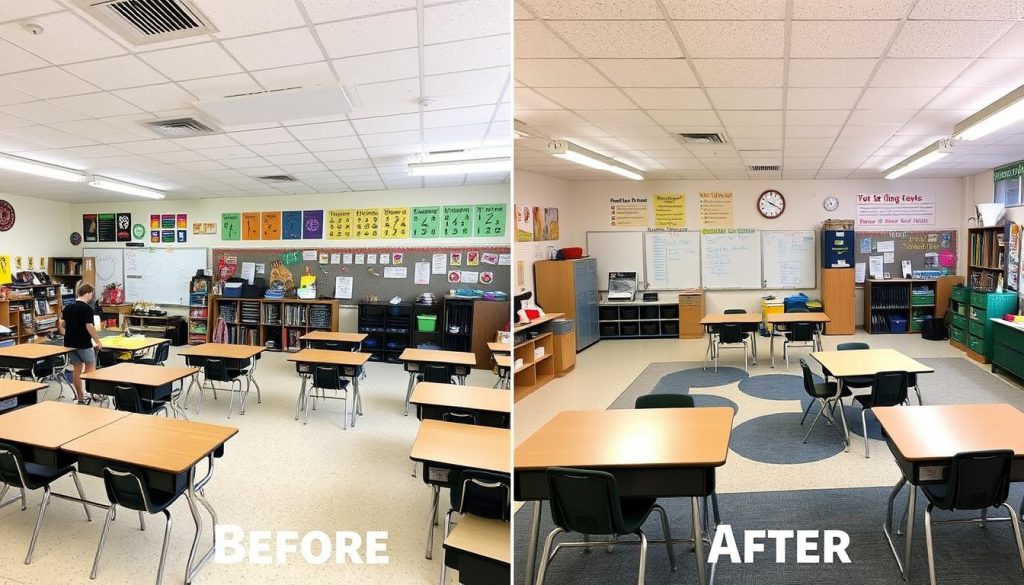
Physical classroom transformations often accompany successful Safe Environment Model implementation
Future Directions for Safe Environment Models in Education
As education continues to evolve, Safe Environment Models are adapting to address emerging challenges and incorporate new research. Staying informed about these trends helps educators develop forward-looking teacher skills that will remain relevant in changing educational landscapes.
Emerging Trends in Safe Environment Models
Several key developments are shaping the future of safety approaches in education:
- Personalized Safety Planning – Moving beyond one-size-fits-all approaches to create individualized safety supports based on specific student needs
- Neuroscience-Informed Practices – Incorporating growing research on brain development and stress responses into safety frameworks
- Student-Led Safety Initiatives – Empowering students as active participants in designing and implementing safety measures
- Integrated Digital-Physical Safety – Developing comprehensive approaches that address safety across both physical and digital environments
- Community-Wide Safety Networks – Extending safety frameworks beyond schools to create consistent approaches across community settings
Developing the teacher skills needed to implement these emerging approaches will be essential for educators who want to stay at the forefront of safe environment creation.
Preparing for Future Safety Challenges
As educational contexts continue to change, Safe Environment Models must address new challenges. Developing anticipatory teacher skills helps educators prepare for evolving safety needs:
Key Areas for Ongoing Professional Development
- Digital Safety Evolution – Staying current with emerging technologies and their safety implications
- Mental Health Support – Expanding knowledge of mental health challenges and appropriate classroom responses
- Cultural Responsiveness – Developing deeper understanding of how safety needs vary across cultural contexts
- Crisis Preparedness – Building skills for addressing new types of emergency situations
- Environmental Design – Learning about innovations in creating physically and emotionally supportive spaces
Ongoing professional development in these areas helps educators continually refine their teacher skills related to safe environment creation.

Ongoing professional development is essential for staying current with Safe Environment Model innovations
By staying informed about emerging research and innovations, educators can continue to refine their Safe Environment Models to meet the evolving needs of students and educational communities.
Stay at the Forefront of Safe Environment Innovations
Our regularly updated resources help you develop the forward-looking teacher skills needed to implement cutting-edge Safe Environment Models in your classroom.
Conclusion: Building Your Safe Environment Model
Creating effective Safe Environment Models is both a science and an art. It requires combining research-based frameworks with your unique understanding of your students and classroom context. The teacher skills you develop through this process extend far beyond safety, enhancing your overall effectiveness as an educator.
As we’ve explored throughout this article, successful Safe Environment Models:
- Address physical, emotional, and social dimensions of safety
- Incorporate evidence-based practices adapted to specific contexts
- Involve collaboration with diverse stakeholders
- Evolve through ongoing assessment and refinement
- Prepare for emerging challenges and opportunities
By developing comprehensive teacher skills in these areas, you create learning environments where all students can thrive. The time and effort invested in building effective Safe Environment Models yields significant returns in student engagement, behavior, and academic success.
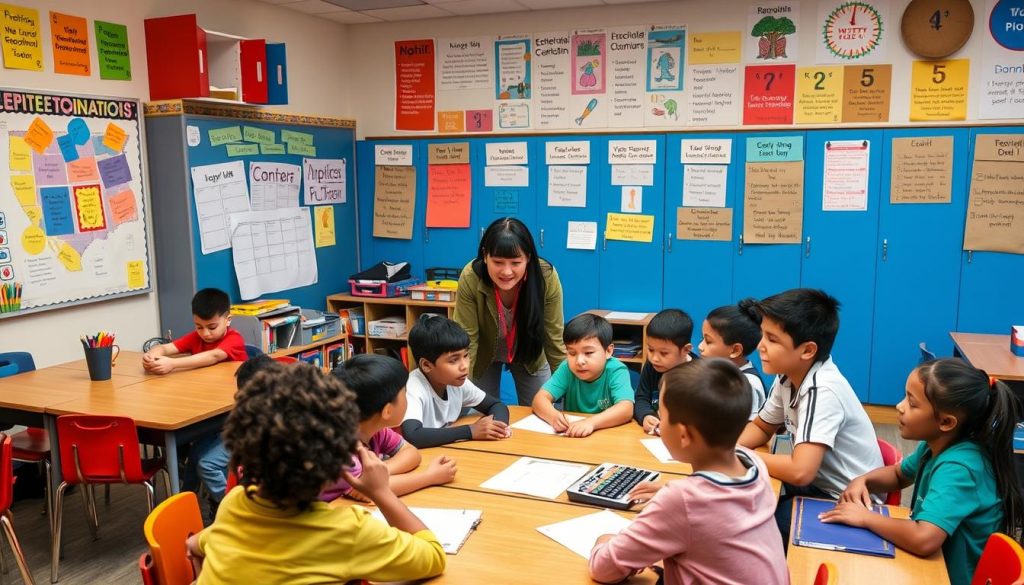
Effective Safe Environment Models create spaces where all students can thrive academically and socially
Remember that creating safe environments is not a one-time project but an ongoing journey. Each step you take to enhance safety contributes to a foundation where authentic learning can flourish. The teacher skills you develop through implementing Safe Environment Models will serve you and your students well throughout your educational career.
Ready to Transform Your Classroom Environment?
Access comprehensive resources to help you develop the essential teacher skills needed for creating effective Safe Environment Models in your classroom.