Why a Safe Environment Matters for Student Success
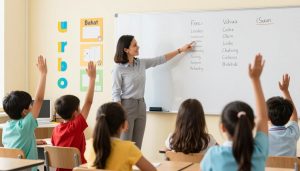
A well-designed safe environment promotes collaboration and learning
Research consistently shows that students learn best when they feel safe, valued, and supported. According to Maslow’s Hierarchy of Needs, safety is a fundamental requirement that must be met before higher-level learning can occur. When students worry about their physical or emotional wellbeing, their cognitive resources become focused on self-protection rather than learning.
A safe environment encompasses several key elements:
- Physical safety (hazard-free spaces, emergency procedures)
- Emotional security (freedom from bullying, respect for all)
- Psychological safety (ability to take risks without fear of ridicule)
- Cultural safety (respect for diverse backgrounds and perspectives)
Developing the teacher skills necessary to create these conditions requires ongoing professional development and reflection. Teachers who prioritize safety see improvements not just in academic outcomes, but in student behavior, attendance, and overall wellbeing.
Enhance Your Safe Environment Skills
Discover research-backed strategies for creating classrooms where all students feel secure and ready to learn.
Creating a Physically Safe Environment for Learning
Physical safety forms the foundation of a safe environment. Students cannot focus on learning if they’re concerned about their physical wellbeing. Effective teacher skills include the ability to assess and maintain classroom safety.
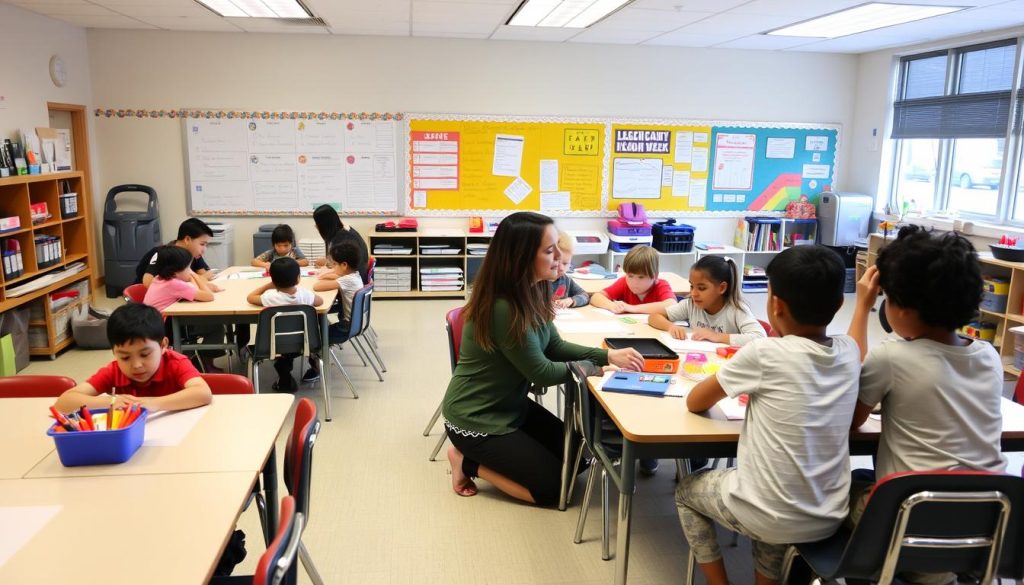
Regular safety checks are an essential teacher responsibility
Key aspects of physical safety include:
Classroom Organization
- Clear pathways between furniture
- Secure storage of materials and equipment
- Age-appropriate furniture and resources
- Proper lighting and ventilation
Emergency Preparedness
- Visible emergency procedures
- Regular safety drills
- First aid supplies and training
- Clear communication systems
Teachers with strong teacher skills conduct regular safety assessments of their classrooms. This includes checking for potential hazards, ensuring equipment is in good working order, and verifying that emergency procedures are understood by all students.
“The physical arrangement of a classroom can either support or inhibit learning, depending on how thoughtfully it’s designed with safety in mind.”
Developing your teacher skills in this area might include learning about universal design principles that make spaces accessible to all students, regardless of physical abilities.
Building an Emotionally Safe Environment in Your Classroom
An emotionally safe environment is one where students feel valued, respected, and free from the threat of emotional harm. Creating this type of safety requires specific teacher skills focused on relationship-building and emotional intelligence.
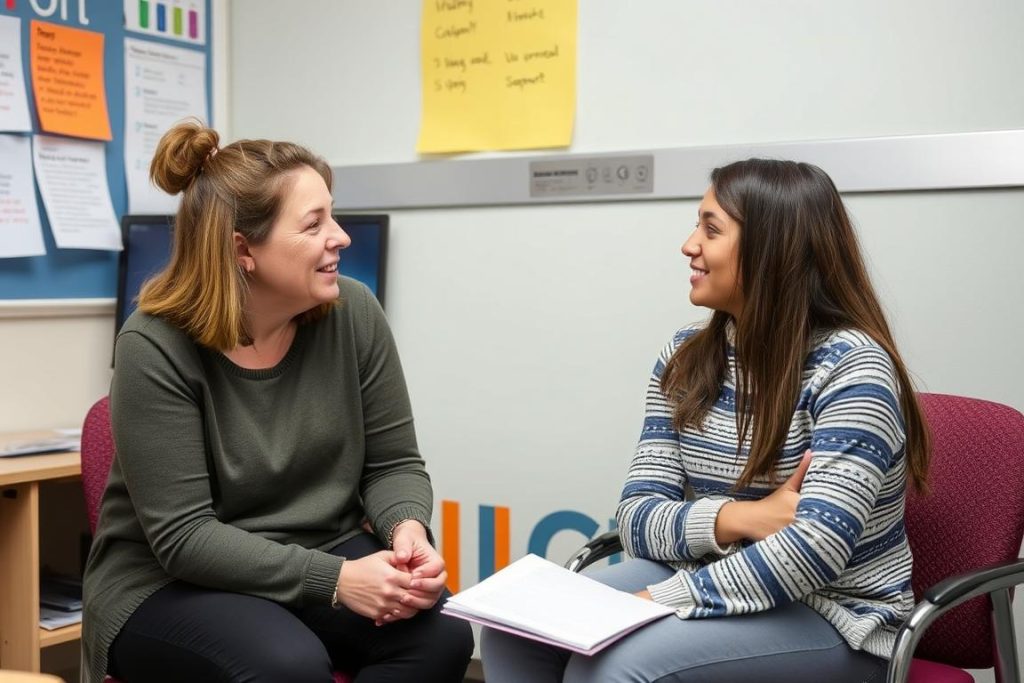
Building trusting relationships is fundamental to emotional safety
Emotional safety includes:
- Protection from bullying and harassment
- Respect for all students’ feelings and perspectives
- Clear, consistent behavioral expectations
- Supportive responses to emotional needs
- Opportunities to express feelings appropriately
Research from the Collaborative for Academic, Social, and Emotional Learning (CASEL) shows that students in emotionally safe classrooms demonstrate better academic performance, improved behavior, and enhanced social skills.
Developing your teacher skills in creating emotional safety might include learning about trauma-informed teaching practices, restorative justice approaches to discipline, and strategies for fostering positive peer relationships.
Quick Tip: Morning Check-Ins
Start each day with a brief emotional check-in. This simple teacher skill helps you gauge students’ emotional states and demonstrates that you care about their wellbeing beyond academics.
Fostering Psychological Safety for Optimal Learning
Psychological safety refers to an environment where students feel comfortable taking risks, making mistakes, and expressing their ideas without fear of negative consequences. This aspect of a safe environment is particularly crucial for deep learning and creativity.
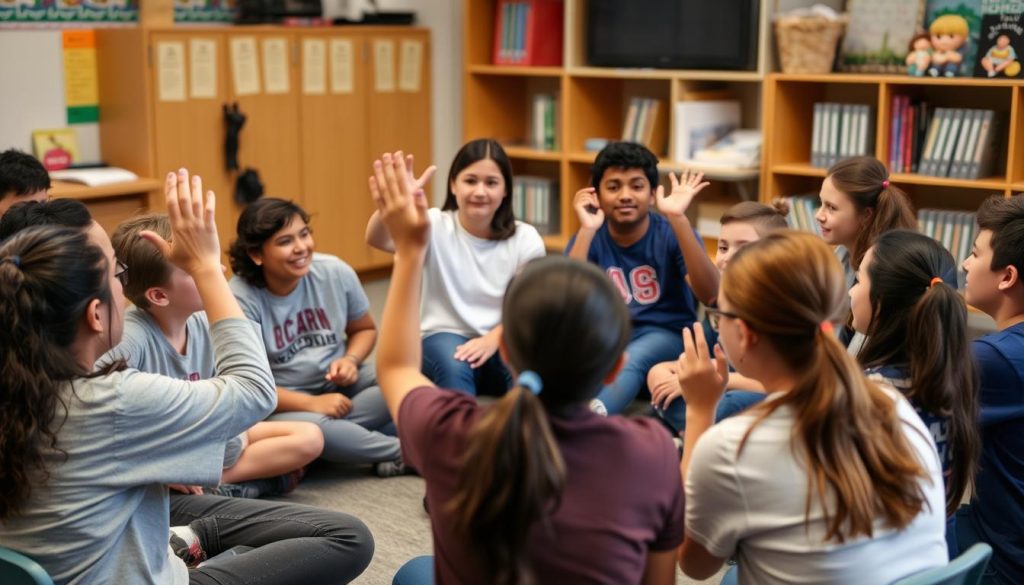
Psychological safety encourages student participation and risk-taking
Key elements of psychological safety include:
- Normalizing mistakes as part of the learning process
- Encouraging questions and curiosity
- Valuing diverse perspectives and approaches
- Providing constructive, growth-oriented feedback
- Modeling vulnerability and a growth mindset
The teacher skills needed to create psychological safety include the ability to respond constructively to student errors, ask open-ended questions, and facilitate discussions where all voices are heard. These skills can be developed through intentional practice and professional learning.
“In classrooms with high psychological safety, students are willing to take risks that advance their learning because they know their worth isn’t tied to perfect performance.”
When teachers develop strong teacher skills in fostering psychological safety, they see increased student participation, more creative thinking, and greater willingness to tackle challenging material.
Develop Your Classroom Management Skills
Learn practical strategies for creating a psychologically safe classroom where all students feel confident to participate.
Creating a Culturally Safe Environment for Diverse Learners
Cultural safety is an essential component of a comprehensive safe environment. It ensures that students from all cultural backgrounds feel their identities are respected and valued. Developing teacher skills in cultural competence is increasingly important in our diverse classrooms.
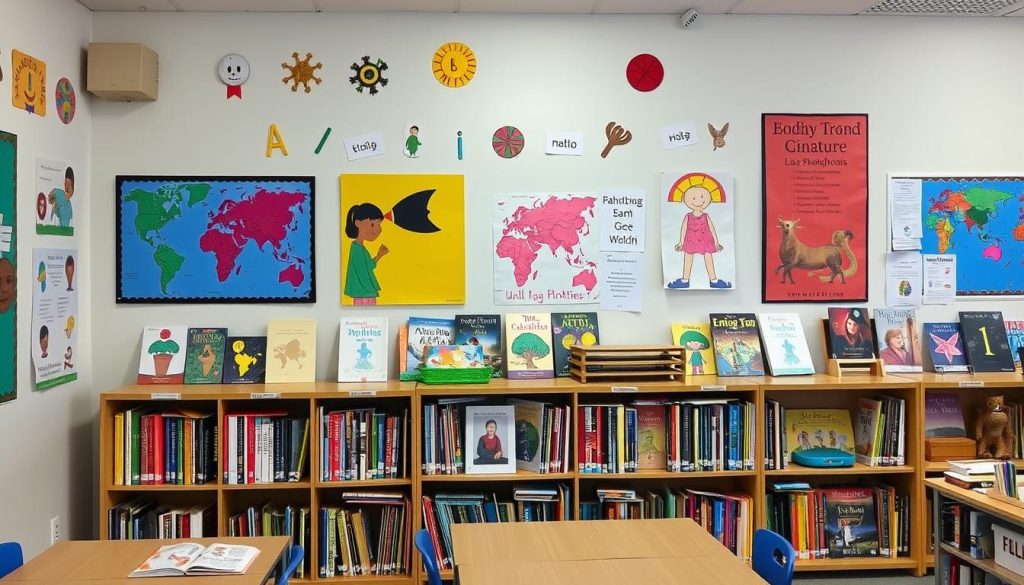
Cultural representation helps all students feel valued and included
Cultural safety includes:
- Representation of diverse cultures in curriculum and materials
- Acknowledgment and respect for different cultural perspectives
- Awareness of and response to cultural biases
- Inclusive language and practices
- Opportunities for students to share their cultural knowledge
Research shows that when students see their cultures reflected positively in the classroom, they experience greater belonging, engagement, and academic success. Developing teacher skills in cultural competence requires ongoing learning and self-reflection.
Classroom Resources
- Diverse literature and materials
- Multilingual resources when appropriate
- Images reflecting various cultures
- Cultural celebrations and recognition
Teaching Practices
- Culturally responsive teaching methods
- Addressing bias in curriculum
- Connecting content to students’ lives
- Creating opportunities for cultural sharing
Enhancing your teacher skills in this area might include learning about culturally responsive teaching practices, examining your own cultural biases, and finding ways to incorporate diverse perspectives into your curriculum.
Practical Strategies for Creating a Safe Environment
Implementing a safe environment requires specific, actionable strategies. Here are practical approaches that leverage essential teacher skills to create safety across all dimensions.
Collaborative creation of classroom agreements builds ownership
Establish Clear Expectations and Routines
One of the most important teacher skills is the ability to establish and maintain clear expectations. When students know what to expect, they feel more secure.
- Co-create classroom agreements with students
- Develop consistent routines for transitions and procedures
- Provide visual reminders of expectations
- Revisit and reinforce agreements regularly
- Use positive framing (what to do vs. what not to do)
Build Strong Relationships
Relationship-building is a cornerstone teacher skill for creating safety. Students feel safe with adults they trust.
- Learn about students’ interests and backgrounds
- Use morning meetings or check-ins to connect
- Provide specific, authentic positive feedback
- Respond empathetically to challenges
- Make time for one-on-one conversations
Teach and Model Social-Emotional Skills
Explicitly teaching social-emotional skills is a crucial teacher skill that supports a safe environment.
- Teach conflict resolution strategies
- Model appropriate emotional expression
- Practice active listening techniques
- Incorporate mindfulness and self-regulation activities
- Use literature and role-play to explore emotions
Safety Assessment
Regularly assess your classroom’s safety using a comprehensive checklist. This teacher skill helps identify areas for improvement across physical, emotional, psychological, and cultural domains.
Measuring the Impact of Your Safe Environment
Creating a safe environment is an ongoing process that requires regular assessment and adjustment. Developing teacher skills in evaluating the effectiveness of your safety measures helps ensure all students benefit.
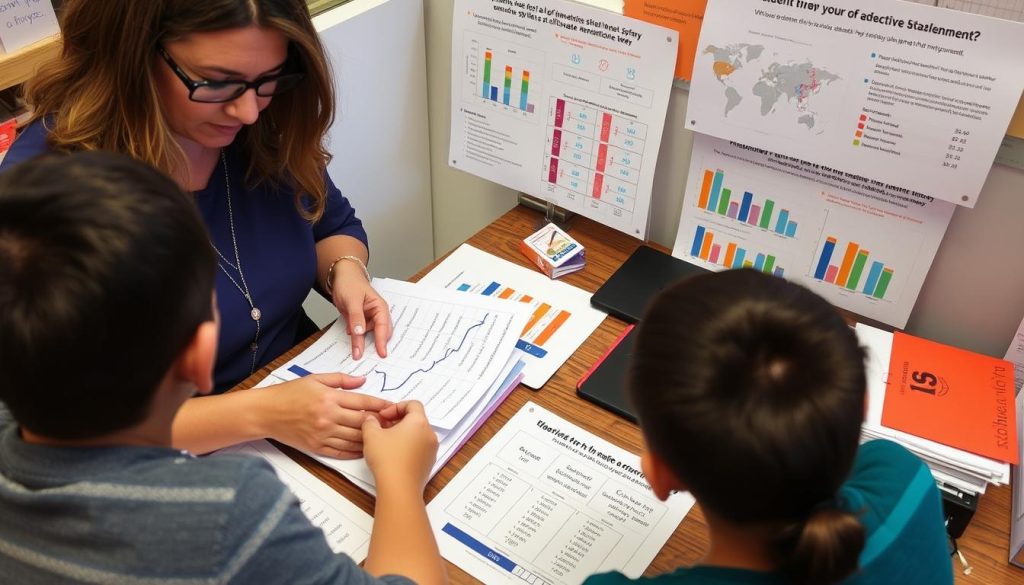
Regular assessment helps refine safety approaches
Consider these approaches to measuring the impact of your safety efforts:
Formal Assessments
- Student surveys on classroom climate
- Safety checklists and audits
- Academic performance data
- Attendance and behavioral data
Informal Assessments
- Student participation patterns
- Quality of peer interactions
- Student willingness to take risks
- Parent and colleague feedback
Developing your teacher skills in data collection and analysis allows you to make informed adjustments to your safety practices. Look for patterns in the data that might indicate areas where some students don’t feel as safe as others.
“What gets measured gets improved. Regular assessment of classroom safety helps teachers identify blind spots and ensure all students truly feel secure.”
Remember that creating a safe environment is not a one-time achievement but an ongoing practice that requires continuous refinement of your teacher skills.
Conclusion: Your Role in Creating a Safe Environment
As educators, we have the privilege and responsibility of creating safe environments where all students can thrive. The teacher skills you develop in this area may be among the most important contributions you make to your students’ lives.
Remember that safety encompasses multiple dimensions—physical, emotional, psychological, and cultural. By intentionally addressing each of these areas, you create the conditions for deep learning and student wellbeing.
Developing your teacher skills related to safety is an ongoing journey. Continue to learn, reflect, and refine your practice to ensure every student in your classroom feels secure enough to take the risks necessary for growth.
Take Your Safe Environment to the Next Level
Enroll in our comprehensive course on creating safe, inclusive learning environments for all students.