Understanding What Makes a Safe Environment
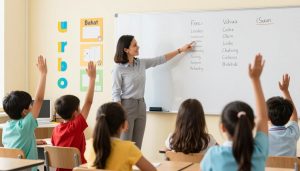
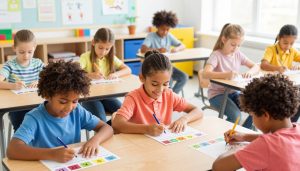
A safe environment in schools encompasses far more than just physical security measures. It integrates emotional well-being, clear expectations, consistent boundaries, and supportive relationships. Research consistently shows that students learn best when they feel protected, respected, and valued. According to a study published in the Journal of School Health, students in safe learning environments demonstrate higher academic achievement, better attendance, and fewer behavioral issues.
Developing the right teacher skills is essential for establishing this foundation of safety. These skills include effective communication, conflict resolution, cultural competence, and the ability to recognize signs of distress in students. When teachers master these capabilities, they create spaces where students can take intellectual risks without fear of ridicule or harm.
The components of a truly safe environment include:
Physical Safety Elements
- Well-maintained facilities
- Emergency protocols and regular drills
- Proper supervision during all activities
- Clear entry/exit procedures
- Age-appropriate equipment and materials
Psychological Safety Elements
- Bullying prevention programs
- Social-emotional learning integration
- Inclusive practices for all students
- Restorative justice approaches
- Mental health resources and support
When both physical and psychological safety needs are addressed, students can focus their energy on learning rather than self-protection. This holistic approach requires intentional development of specific teacher skills that support both dimensions of safety.
Benefits of Maintaining a Safe Environment in Schools
The advantages of establishing a safe environment extend far beyond basic security. When teachers apply their teacher skills to create truly safe spaces, the benefits ripple throughout the entire educational experience:
Academic Benefits
- Improved concentration and focus
- Higher test scores and grades
- Increased participation in class
- Greater willingness to take intellectual risks
- Enhanced critical thinking abilities
Social-Emotional Benefits
- Stronger peer relationships
- Better conflict resolution skills
- Reduced anxiety and stress
- Improved self-regulation
- Development of empathy and compassion
School Culture Benefits
- Lower absenteeism rates
- Reduced disciplinary incidents
- Increased teacher job satisfaction
- Stronger school-community connections
- Positive reputation and trust
According to research from the Centers for Disease Control and Prevention, students who feel safe and connected at school are more likely to earn higher grades, stay in school longer, and make healthier choices. This underscores how crucial it is for educators to develop the teacher skills necessary to foster these safe, connected environments.
Enhance Your Classroom Safety Skills
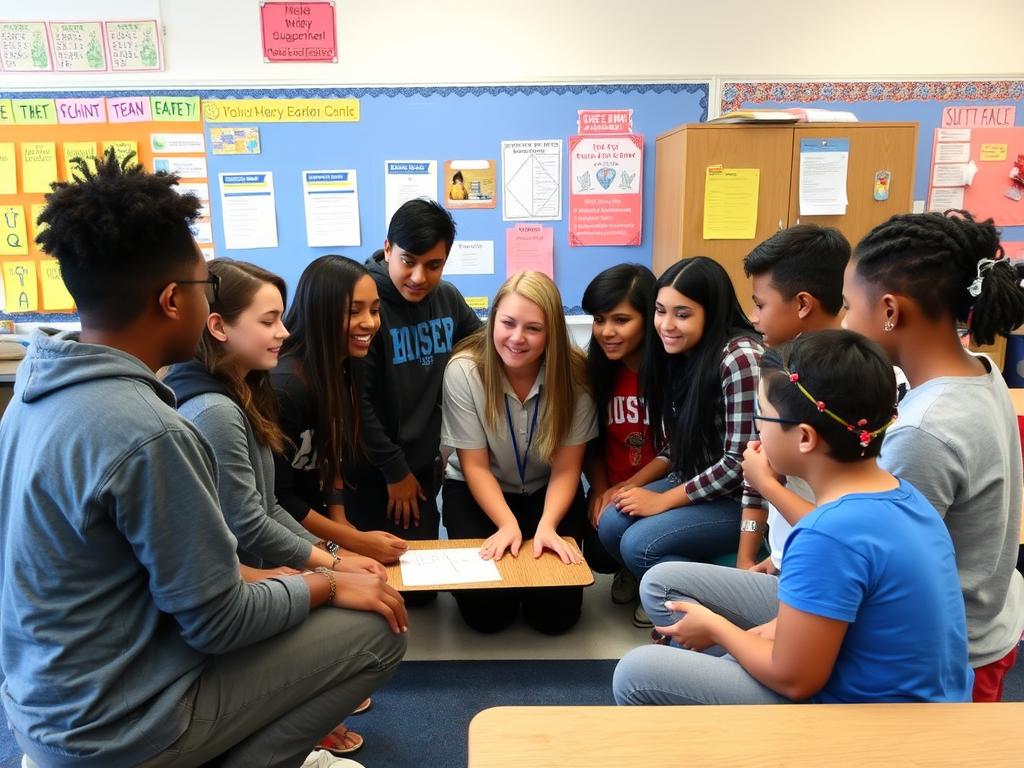
Discover research-backed strategies for creating a safe learning environment that promotes student success and well-being.
The Teacher’s Role in Creating a Safe Environment
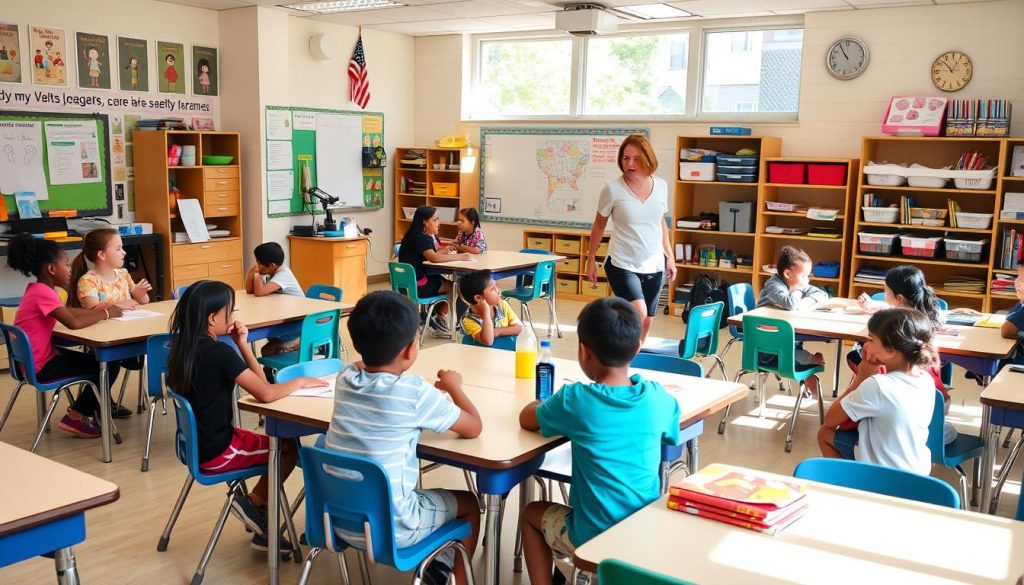
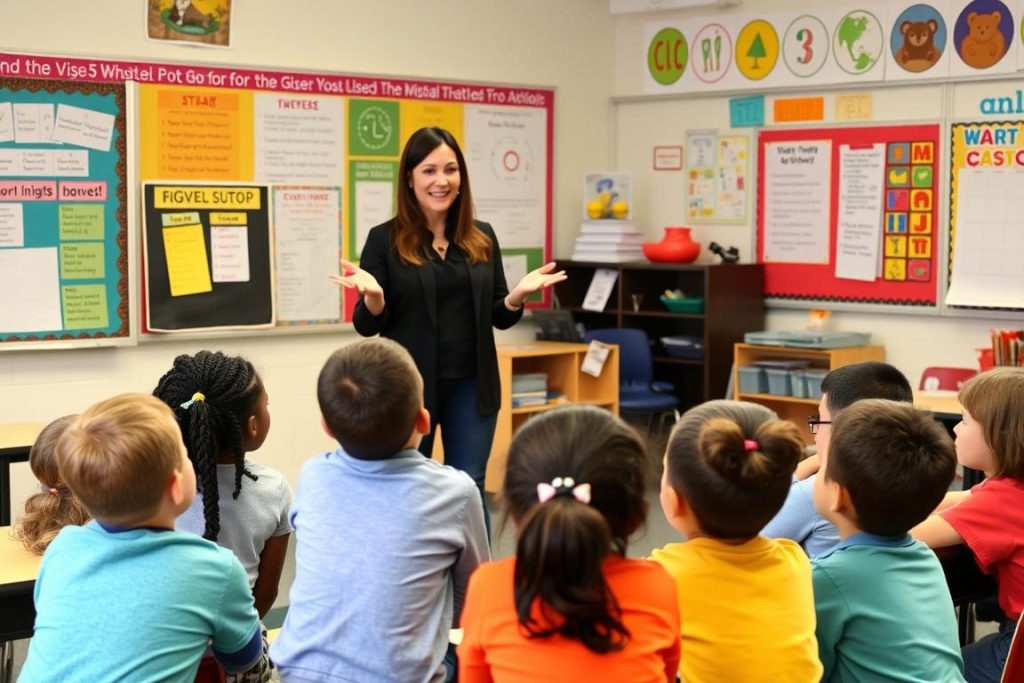
Educators are the architects of classroom safety. The teacher skills you bring to your daily practice directly shape how secure students feel in your learning space. Your consistency, responsiveness, and modeling create the foundation upon which a safe environment is built.
Essential Teacher Skills for Safety
Proactive Skills
- Establishing clear, consistent expectations
- Creating inclusive classroom procedures
- Designing physically safe learning spaces
- Building relationships with all students
- Integrating social-emotional learning
Responsive Skills
- De-escalation techniques for conflicts
- Recognizing signs of distress or trauma
- Implementing appropriate interventions
- Collaborating with support personnel
- Adapting approaches for individual needs
Developing these teacher skills requires ongoing professional growth and reflection. As you enhance your capabilities in these areas, you simultaneously strengthen the safety net that supports your students’ learning and development.
“The most effective teachers understand that safety is the foundation upon which all other educational goals rest. Without it, even the most brilliant curriculum cannot succeed.”
Your role extends beyond your individual classroom as well. By collaborating with colleagues, administrators, and families, you help create a school-wide culture of safety that benefits all students. This collaborative approach multiplies the impact of your teacher skills across the entire educational community.
Practical Strategies for Building a Safe Environment
Implementing effective safety measures requires both intentionality and consistency. Here are research-backed strategies you can incorporate into your teaching practice to enhance the safe environment in your classroom:
Physical Safety Strategies
- Conduct regular safety audits of your classroom space, checking for hazards, proper equipment storage, and clear pathways.
- Create visual aids for emergency procedures that are age-appropriate and easily understood.
- Establish clear routines for transitions, materials distribution, and emergency responses.
- Arrange furniture to allow for proper supervision of all areas while facilitating collaborative learning.
- Maintain appropriate ratios during activities that require closer supervision or involve potential risks.
Emotional Safety Strategies
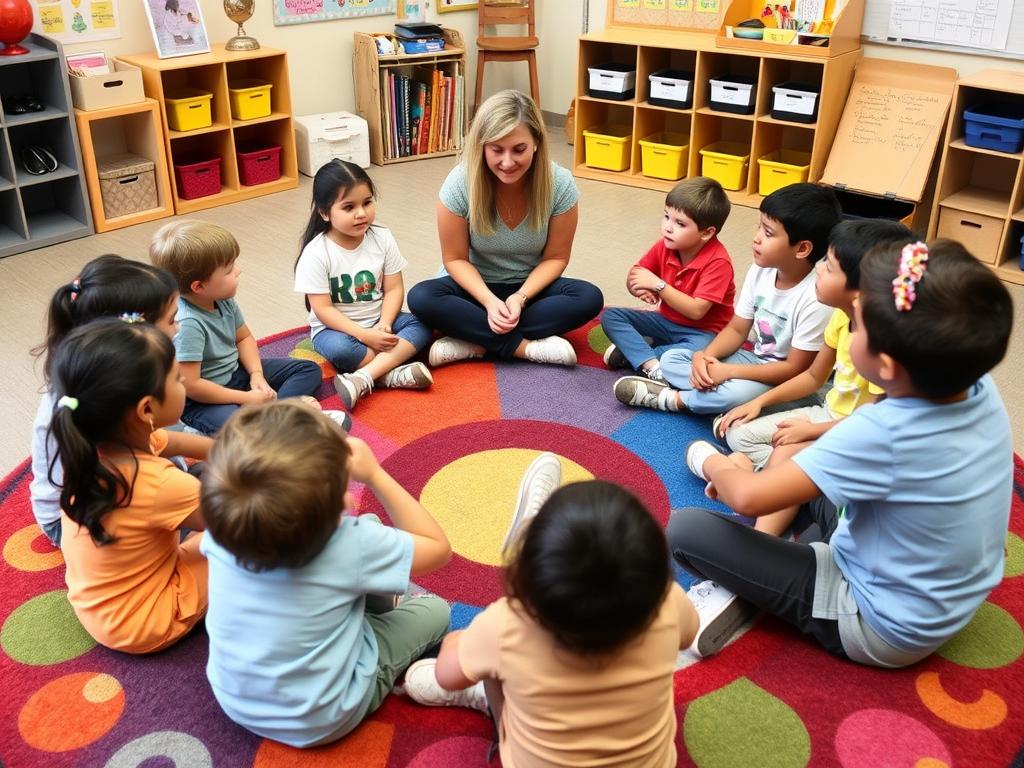
- Implement morning meetings or check-ins to build community and assess student well-being.
- Use restorative practices rather than punitive measures when addressing conflicts.
- Teach and model emotional regulation strategies appropriate for your students’ developmental levels.
- Create a worry box or other anonymous feedback mechanism for students to share concerns.
- Establish a predictable daily schedule while preparing students for necessary changes.
These strategies leverage your teacher skills to create multi-layered safety systems. By addressing both physical and emotional dimensions, you create a truly comprehensive safe environment for learning.
Develop Advanced Safety Techniques
Access professional development opportunities that enhance your teacher skills for creating optimal learning environments.
Addressing Challenges to a Safe Environment
Even with strong teacher skills and careful planning, obstacles to maintaining a safe environment will inevitably arise. Recognizing common challenges and having strategies to address them is essential for sustaining safety over time.
| Challenge | Impact on Safety | Effective Responses |
| Bullying and social aggression | Undermines emotional security and creates fear | Implement comprehensive prevention programs, teach bystander intervention, address incidents immediately |
| Inconsistent enforcement of rules | Creates confusion and perceived unfairness | Develop clear protocols, collaborate with colleagues on consistent approaches, regular self-reflection |
| External community stressors | Brings outside tensions into learning environment | Create trauma-informed practices, strengthen family partnerships, connect with community resources |
| Limited resources or support | Restricts implementation of comprehensive safety measures | Prioritize highest-impact strategies, build teacher networks for resource sharing, advocate systematically |
| Digital safety concerns | Creates new vectors for harm and disruption | Teach digital citizenship, establish clear technology guidelines, monitor online interactions |
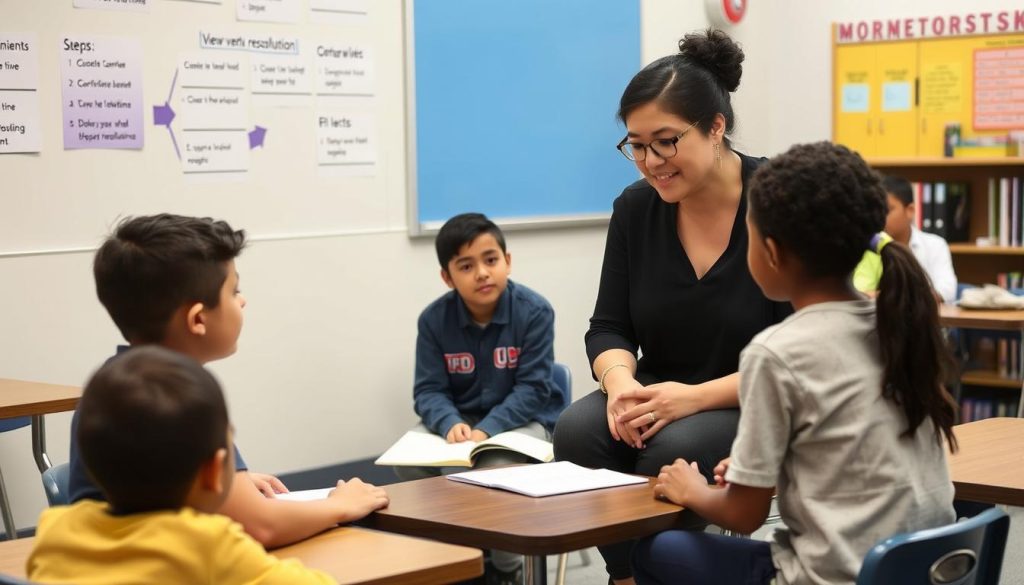
Addressing these challenges requires adaptability and persistence. By continuously developing your teacher skills in areas like conflict resolution, trauma-informed practices, and cultural responsiveness, you build capacity to overcome obstacles to safety.
Remember: Safety is Dynamic, Not Static
A safe environment requires ongoing assessment and adjustment. What works for one group of students may need modification for another. Regular reflection on your practices ensures your approach remains effective as circumstances change.
Measuring Success in Creating a Safe Environment
How do you know if your efforts to create a safe environment are working? Effective assessment involves both formal and informal measures that gauge different aspects of safety. By developing teacher skills in data collection and analysis, you can continuously refine your approach.
Indicators of a Successful Safe Environment
Observable Behaviors
- Students freely ask questions
- Diverse perspectives are shared
- Conflicts resolve constructively
- Students help one another
- Laughter is common and appropriate
Quantitative Measures
- Increased attendance rates
- Fewer disciplinary referrals
- Improved academic performance
- Higher participation metrics
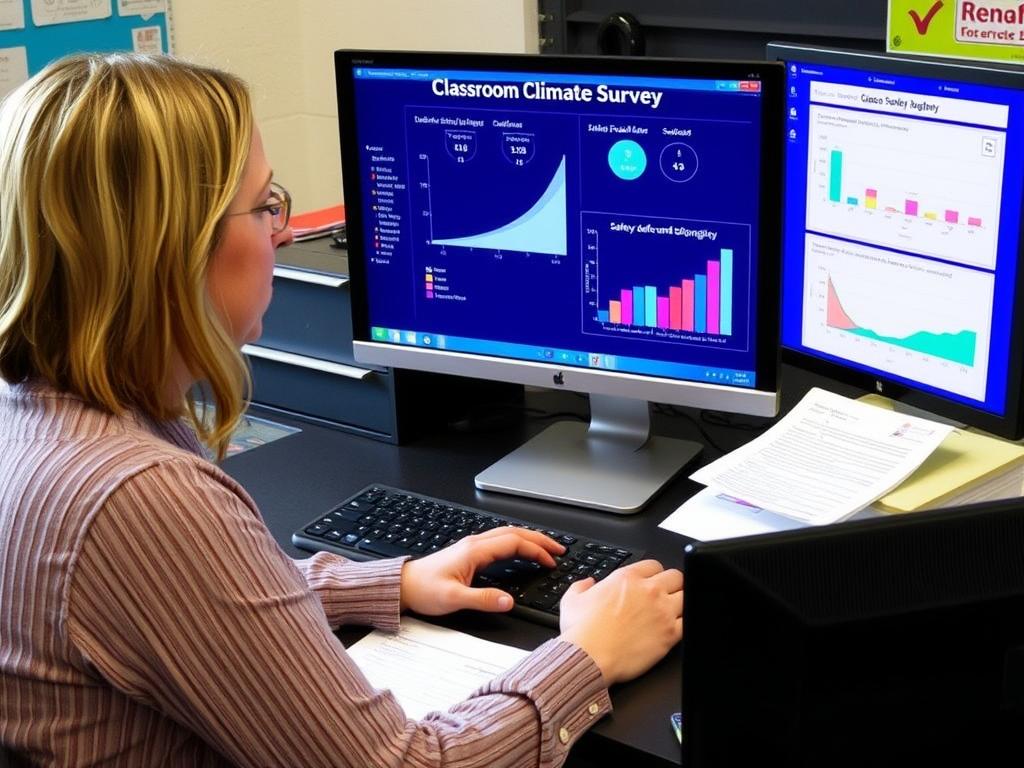
- Positive climate survey results
Qualitative Feedback
- Student self-reflections
- Parent/guardian comments
- Colleague observations
- Administrator evaluations
- Community partner input
Regular assessment helps you identify both strengths and areas for growth in your safe environment practices. This information guides your professional development, helping you target specific teacher skills that will have the greatest impact on your students’ sense of safety.
“We cannot improve what we do not measure. Creating truly safe schools requires systematic assessment of both our practices and their outcomes.”
Consider implementing simple assessment tools like exit tickets, periodic surveys, or reflection journals to gather ongoing feedback about your classroom’s safety climate. These low-burden approaches provide valuable insights without overwhelming your already full teaching schedule.
Professional Development for Enhancing Safe Environment Skills
Continuing to develop your teacher skills related to safety is an essential part of professional growth. Fortunately, numerous resources and opportunities exist to support your learning journey.
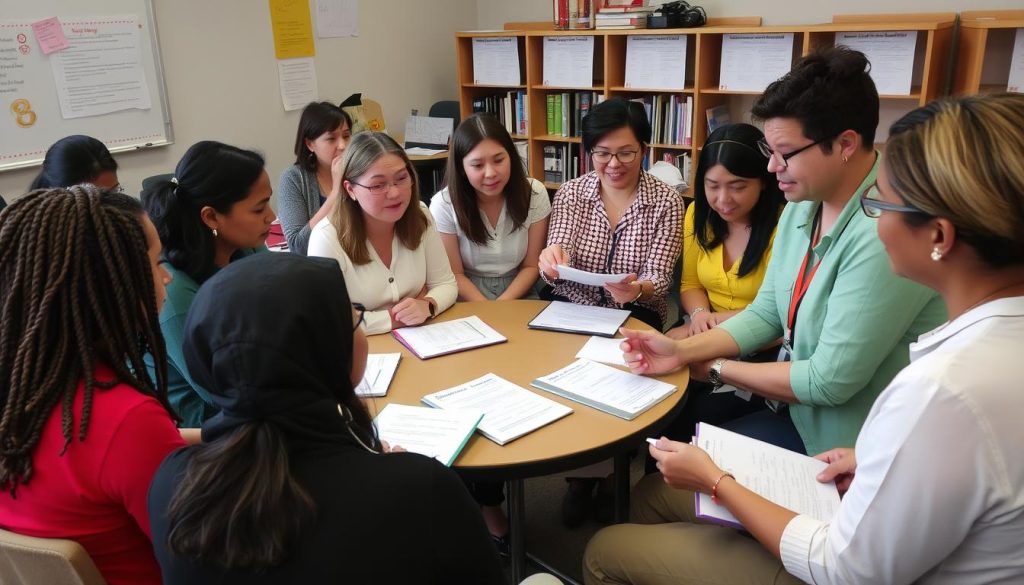
Development Pathways
Formal Learning Opportunities
- Certification programs in trauma-informed practices
- Workshops on restorative justice approaches
- Courses on social-emotional learning integration
- Training in crisis prevention and intervention
- Conferences focused on school safety and climate
Informal Learning Approaches
- Professional learning communities
- Peer observation and feedback
- Mentorship relationships
- Action research in your classroom
- Reading current research and best practices
Investing in these development opportunities strengthens your teacher skills and directly benefits your students. As you learn and implement new approaches, you continuously enhance the safety of your learning environment.
Advance Your Safe Environment Expertise
Earn professional development credits while learning research-based strategies for creating optimal learning conditions.
Case Studies: Successful Safe Environment Implementations
Learning from real-world examples can provide valuable insights for your own practice. These case studies highlight how different educators have applied their teacher skills to create exceptionally safe environments.
Elementary Level: Trauma-Responsive Classroom
A third-grade teacher in an urban district transformed her classroom after noticing signs of trauma affecting many students. By developing specific teacher skills in trauma-responsive practices, she implemented:
- A predictable daily schedule with visual supports
- A designated calming corner with self-regulation tools
- Regular community-building circles
- Embedded emotional vocabulary instruction
- Collaborative problem-solving protocols
Results included a 40% reduction in behavioral incidents, improved attendance, and significant academic growth. Parents reported students felt safer and more connected to school.
Middle School Level: Peer Safety Leaders
A middle school team created a peer leadership program focused on safety. Teachers developed their teacher skills in youth empowerment and guided students to:
- Conduct safety audits of school spaces
- Create and lead anti-bullying initiatives
- Serve as conflict mediators
- Provide orientation for incoming students
- Gather and analyze climate survey data
This approach led to improved school climate metrics, reduced bullying incidents, and increased student reporting of safety concerns before they escalated.
High School Level: Integrated Support System
A high school restructured its approach to safety by creating an integrated support system. Teachers enhanced their teacher skills in collaboration and referral processes to:
- Implement a tiered intervention model
- Create advisory groups with consistent adult mentors
- Develop clear pathways to mental health support
- Establish restorative justice practices
- Partner with community organizations for wraparound services
Outcomes included improved graduation rates, decreased disciplinary incidents, and higher scores on school climate measures.
Implementation Tip
When adapting these approaches to your context, start with one or two high-impact strategies rather than attempting a complete transformation at once. This focused approach allows you to build momentum and refine your teacher skills in specific areas before expanding.
Creating Your Safe Environment Action Plan
Establishing and maintaining a safe environment is both a science and an art. It requires intentional development of specific teacher skills, consistent implementation of effective strategies, and ongoing reflection and adjustment. As you’ve seen throughout this guide, the benefits of this investment are profound – impacting not only academic outcomes but students’ overall well-being and future success.
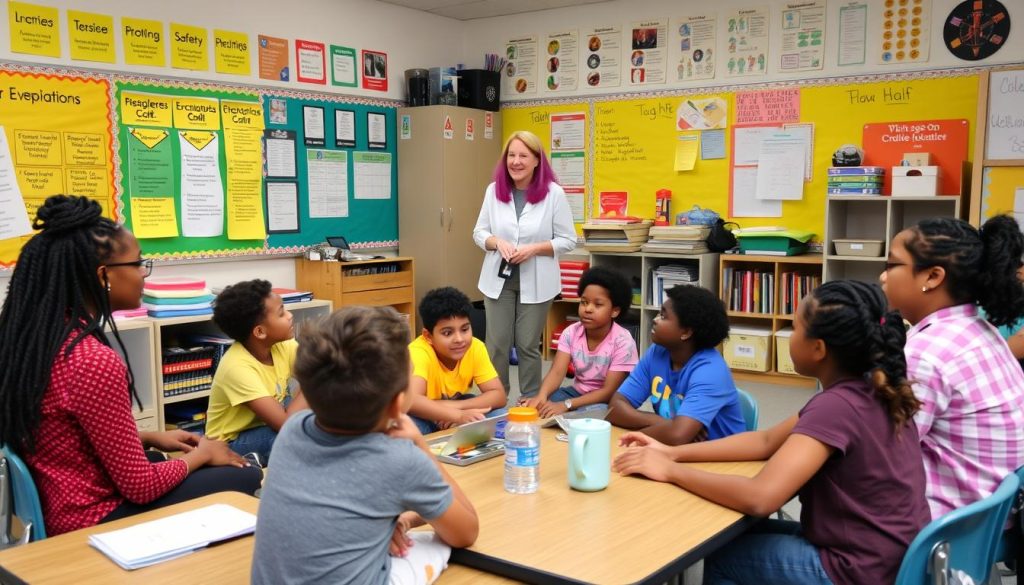
Begin by assessing your current classroom environment and identifying one area where enhanced safety would make the greatest difference for your students. Focus your initial efforts there, drawing on the strategies and approaches outlined in this guide. As you build confidence and competence, gradually expand your focus to create a comprehensive safe environment.
Remember that creating truly safe schools is a collaborative endeavor. Connect with colleagues, administrators, families, and community partners to align your efforts and create consistent, supportive experiences for students across all settings.
By prioritizing safety as the foundation of your educational practice, you create the conditions where all students can thrive academically, socially, and emotionally. Your investment in developing these essential teacher skills yields dividends not only in your classroom today but in your students’ lives for years to come.
Take the Next Step in Your Professional Journey
Access comprehensive resources, earn professional development credits, and join a community of educators committed to creating safe, effective learning environments.