
The Research Behind Driving Student Success Through Expectations
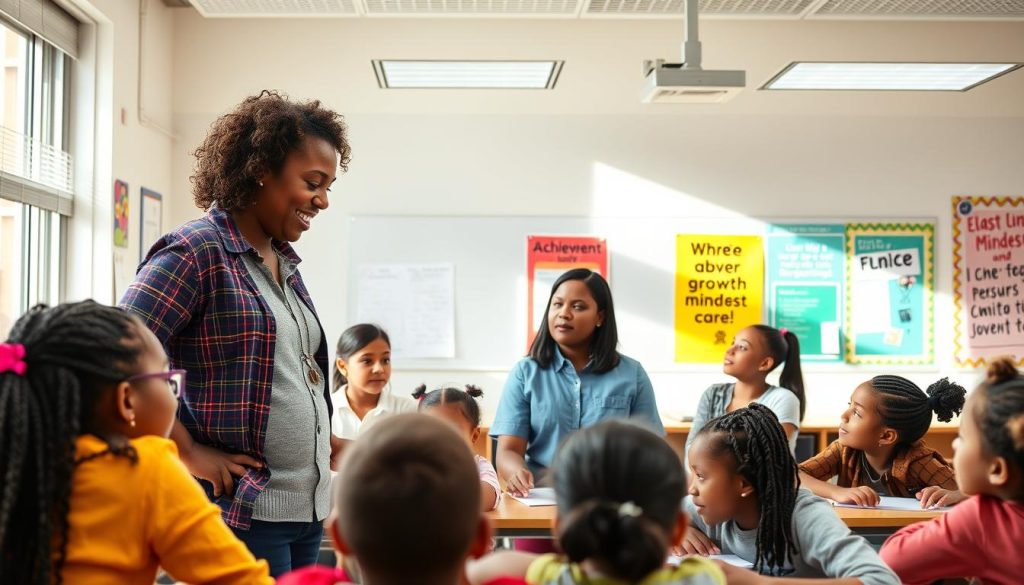
The connection between teacher expectations and student performance was famously demonstrated in the 1968 Rosenthal-Jacobson study, commonly known as the “Pygmalion Effect.” In this groundbreaking research, teachers were told that certain randomly selected students were “intellectual bloomers” expected to show significant academic progress. Despite no actual differences between these students and their peers, the labeled students showed greater academic gains simply because teachers expected more from them.
This phenomenon continues to be validated by modern research. A 2018 study published by the American Psychological Association found that teacher expectations had a direct impact on student achievement, with effects persisting for years. When teachers believe in their students’ abilities and communicate those beliefs effectively, students internalize these expectations and perform accordingly.
Developing the teacher skills necessary to communicate and maintain high expectations requires intentionality. These expectations serve as the foundation upon which student motivation, engagement, and achievement are built. Teachers who master these skills create classrooms where excellence becomes the norm rather than the exception.
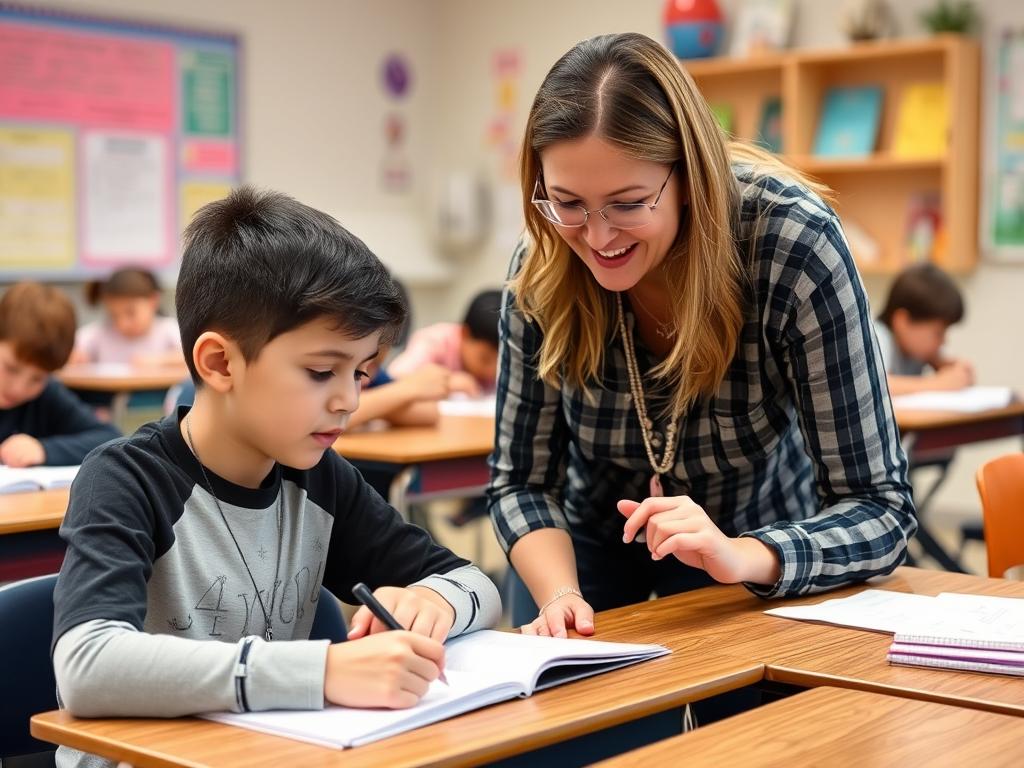
“When teachers expect students to do well and show intellectual growth, they do; when teachers do not have such expectations, performance and growth are not so encouraged and may in fact be discouraged in a variety of ways.”
It’s important to distinguish between high expectations and unrealistic pressure. High expectations involve believing in students’ capacity to learn and grow while providing the necessary support. Unrealistic pressure, on the other hand, sets standards without scaffolding or consideration of individual starting points. Effective teacher skills include knowing how to balance challenge with support.
Cultivating a Mindset for Driving Student Success
Before implementing strategies for high expectations, teachers must first examine their own beliefs about student potential. Research on growth mindset by Carol Dweck demonstrates that teachers who believe intelligence is malleable rather than fixed are more likely to set and maintain high expectations for all students.
Developing these essential teacher skills begins with self-reflection. Consider your responses to the following questions:
- Do you believe all students can achieve at high levels with appropriate support?
- How do your expectations differ across student groups?
- What messages do your words, actions, and classroom policies send about your expectations?
- How do you respond when students struggle?
Teachers with a growth mindset view challenges as opportunities for learning rather than evidence of fixed ability. This perspective is crucial for maintaining high expectations even when students encounter difficulties. By developing these teacher skills, you create a foundation for student growth.
Enhance Your Expectation-Setting Skills
Looking to develop practical strategies for setting high academic expectations in your classroom? Our professional development course provides research-backed techniques for creating a high-achievement culture.
Practical Strategies for Driving Student Success in Your Classroom
Translating high expectations into daily classroom practice requires specific teacher skills and intentional strategies. Here are research-backed approaches that effectively communicate and reinforce high expectations:
1. Clear Academic Standards
Students thrive when they understand exactly what success looks like. Develop and communicate clear, specific learning objectives and success criteria for each lesson and unit. Effective teacher skills include making these standards visible and accessible to all students.
Effective Practices:
- Post daily learning targets in student-friendly language
- Provide exemplars of quality work at different levels
- Create and share detailed rubrics before assignments
- Reference standards consistently during instruction
Implementation Tips:
- Review objectives at the beginning and end of each lesson
- Have students self-assess against clear criteria
- Align feedback directly to established standards
- Celebrate when students meet challenging standards
2. Rigorous Questioning Techniques
The questions teachers ask signal their expectations for student thinking. Developing advanced questioning teacher skills allows you to push students toward deeper understanding and critical thinking.

Implement these questioning strategies to elevate student thinking:
- Use Bloom’s Taxonomy to craft questions at various cognitive levels
- Employ wait time (3-5 seconds) after asking questions
- Respond to incorrect answers with follow-up questions rather than immediate correction
- Ask students to elaborate on their thinking with “What makes you say that?”
- Use “no opt-out” strategies where all students are expected to contribute
3. Productive Struggle and Growth-Oriented Feedback
High expectations include allowing students to grapple with challenging content. Effective teacher skills include recognizing the value of productive struggle and providing feedback that guides improvement without solving problems for students.
“Productive struggle leads to productive learning. When students have to work through challenging content, they develop deeper understanding and greater retention.”
Implement these feedback strategies:
- Provide specific, actionable feedback focused on the process rather than the person
- Use “not yet” language to emphasize growth potential
- Highlight effective strategies used by students
- Create opportunities for students to apply feedback and revise work
Refine Your Feedback Techniques
Want to develop more effective feedback strategies that maintain high expectations while supporting growth? Our professional development resources can help you enhance these essential teacher skills.
Overcoming Barriers to Driving Student Success
Even with the best intentions, teachers may encounter challenges in maintaining high expectations for all students. Developing advanced teacher skills includes recognizing and addressing these barriers:
Addressing Unconscious Bias
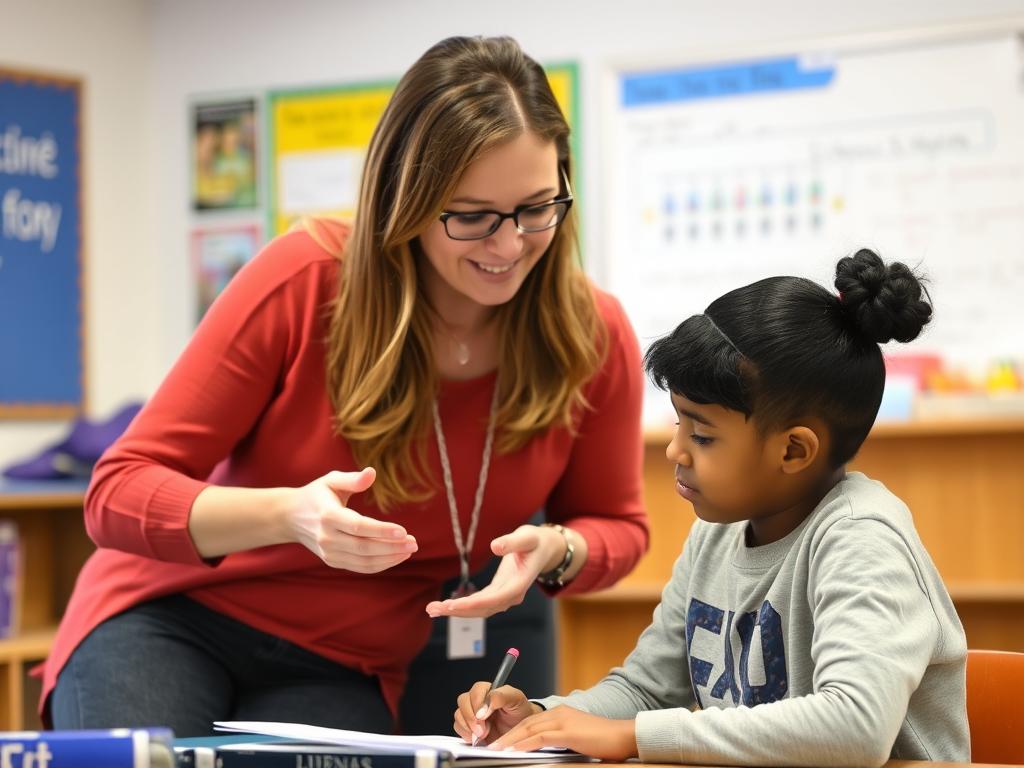
Research shows that teacher expectations can vary based on student characteristics unrelated to ability. Developing self-awareness is a critical teacher skill for ensuring equitable expectations.
Reflection Practice: Regularly analyze your interaction patterns, questioning strategies, and feedback approaches across different student groups. Look for inconsistencies that might indicate unconscious bias in your expectations.
Balancing Challenge and Support
High expectations must be accompanied by high support. Effective teacher skills include knowing how to scaffold instruction without lowering standards.
Challenge Strategies:
- Assign tasks in students’ zone of proximal development
- Gradually release responsibility to students
- Maintain consistent standards across student groups
Support Strategies:
- Provide targeted scaffolding that can be removed over time
- Create structured opportunities for peer collaboration
- Offer additional resources without lowering expectations
Building Student Self-Efficacy
Students must believe they can meet high expectations. Developing teacher skills that foster student self-efficacy is essential for sustainable achievement.
- Highlight growth and improvement over time
- Connect current efforts to future success
- Share stories of persistence and growth from various fields
- Help students attribute success to effort and strategy rather than fixed ability
By developing these advanced teacher skills, you create a classroom where high expectations become a catalyst for growth rather than a source of anxiety. Students internalize these expectations and develop the resilience needed for long-term success.
A Framework for Implementing High Expectations and Driving Student Success
Translating research into practice requires a systematic approach. This framework helps teachers develop the necessary skills for establishing and maintaining high expectations.
| Phase | Teacher Actions | Key Teacher Skills | Expected Outcomes |
| Establish | Set clear, challenging standards Communicate belief in all students Model growth mindset language | Standard-setting Inclusive communication Mindset modeling | Students understand expectations Initial buy-in from students Foundation for growth mindset |
| Support | Provide targeted scaffolding Offer specific, growth-oriented feedback Create structured opportunities for practice | Differentiation Effective feedback Instructional design | Students engage with challenging content Students apply feedback Increased confidence |
| Sustain | Gradually release responsibility Celebrate growth and achievement Connect current work to future goals | Facilitation Recognition systems Goal-setting guidance | Student independence Intrinsic motivation Long-term persistence |
This framework emphasizes the progressive development of teacher skills that support high expectations. By systematically addressing each phase, teachers create an environment where high achievement becomes the norm.
Deepen Your Understanding of High Expectations
Ready to implement a comprehensive approach to high expectations in your classroom? Our detailed course on setting high academic expectations provides step-by-step guidance and practical tools.
Measuring the Impact of High Expectations on Driving Student Success
Effective implementation of high expectations requires ongoing assessment of their impact. Developing teacher skills in data collection and analysis helps ensure that expectations translate into measurable student growth.
Indicators of Effective High Expectations
Look for these signs that your high expectations are positively impacting student performance:
- Increased student persistence when facing challenges
- Growth in academic performance over time
- Student use of growth-oriented language
- Rising levels of student-initiated questions and discussions
- Willingness to revise work based on feedback
Data Collection Strategies
Develop these teacher skills to systematically gather evidence of your expectations’ impact:
- Track formative and summative assessment data over time
- Collect student self-reflection on growth and challenges
- Document examples of student work showing progression
- Record classroom discourse patterns and question levels
By consistently monitoring these indicators, you can refine your approach to high expectations and ensure they’re driving genuine student growth rather than creating unproductive pressure.
“The true measure of high expectations isn’t in how challenging the work is, but in how students respond to that challenge—with engagement, growth, and increasing independence.”
Conclusion: Your Role in Driving Student Success
High expectations are among the most powerful tools teachers have for influencing student achievement. By developing the teacher skills needed to establish, communicate, and support high expectations, you create an environment where all students can thrive.
Remember that implementing high expectations is not about perfection but about continuous growth—both for you and your students. Each step you take toward more effective expectation-setting contributes to a classroom culture where excellence becomes the standard.
As you continue refining your teacher skills in this area, consider how your expectations shape student experiences and outcomes. The belief you hold in your students’ abilities may be the catalyst that transforms their academic trajectory and future opportunities.
Continue Your Professional Growth
Ready to take your teacher skills to the next level? Explore our comprehensive resources for professional development and continue your journey toward driving student success through high expectations.