
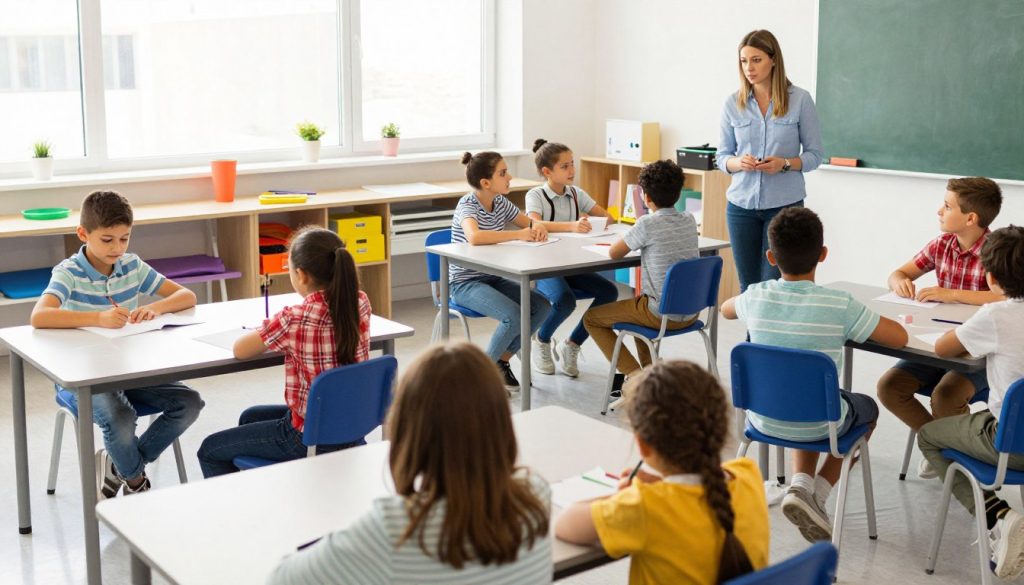
Effective gifted education strategies create dynamic learning environments that benefit all students
Demystifying Gifted and Talented Learners: Beyond the Label
Before implementing strategies, it’s essential to understand what truly defines gifted and talented learners. According to the federal definition established in 1972, these are “students, children, or youth who give evidence of high achievement capability in areas such as intellectual, creative, artistic, or leadership capacity, or in specific academic fields, and who need services and activities not ordinarily provided by the school in order to fully develop those capabilities.”
This definition highlights a crucial point: gifted students demonstrate observable, measurable differences in achievement capability. They don’t just perform well—they show natural abilities that extend beyond typical grade-level expectations. Developing the teacher skills to recognize these qualities is the first step in providing appropriate support.
Characteristics of Gifted and Talented Learners
- Think abstractly and conceptually with minimal modeling
- Integrate expertise across multiple subject areas
- Initiate their own learning tasks beyond assignments
- Demonstrate unusual depth of understanding
- Show heightened sensitivity to their environment
- Often have specialized, intense interests
Common Misconceptions
- Gifted students will succeed without special attention
- They are high achievers in all subject areas
- They don’t face learning challenges
- They are always motivated and engaged
- They make excellent peer tutors for struggling students
- They prefer to work independently
Recognizing the difference between high-achieving students and truly gifted learners requires specific teacher skills. While high achievers excel at teacher-assigned work, gifted students often extend learning beyond assignments and demonstrate natural abilities to think abstractly without much guidance. This distinction is crucial for providing appropriate support.
Enhance Your Ability to Identify Gifted Students
Develop the essential teacher skills needed to recognize and nurture gifted and talented learners in your classroom. Our specialized professional development course provides practical identification strategies and support techniques.
Core Strategies for Gifted and Talented Learners That Elevate Your Classroom
Implementing effective strategies for gifted and talented learners requires specific teacher skills that can transform your entire classroom. These approaches not only support exceptional students but create a more dynamic learning environment for everyone.
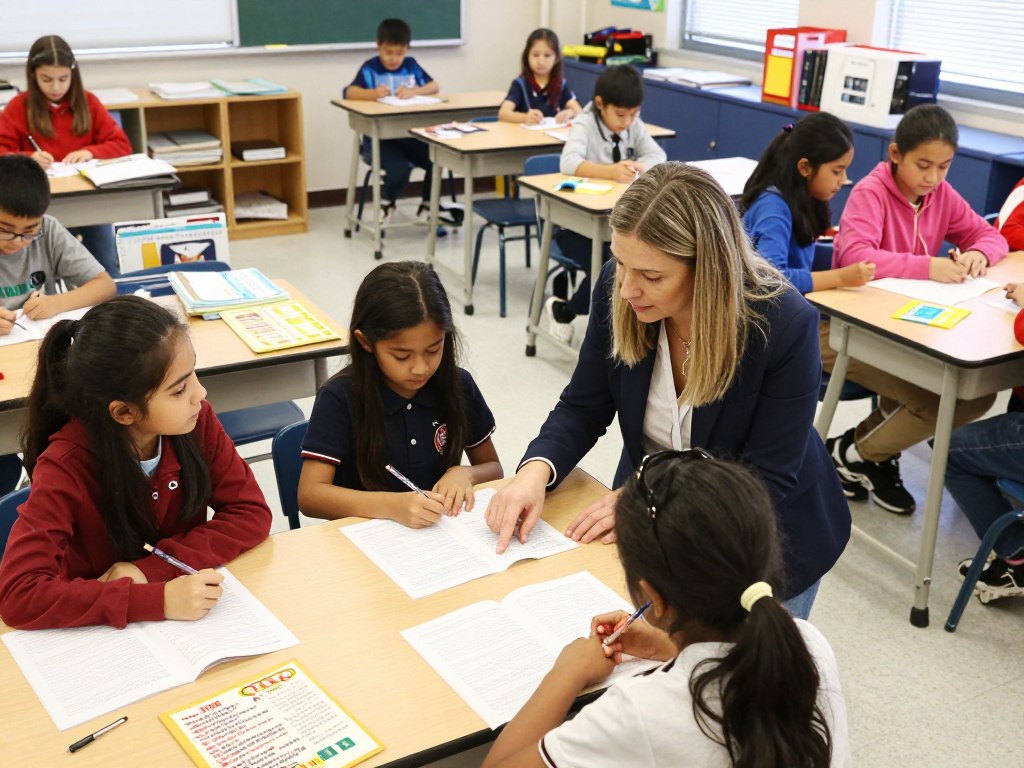
Differentiated instruction allows teachers to meet the needs of all learners simultaneously
1. Acceleration and Compacting
Subject acceleration allows gifted students to progress at their own pace, presenting appropriately challenging material that keeps them engaged. Curriculum compacting eliminates already-mastered content, freeing up classroom time for deeper exploration. These teacher skills benefit all students by creating flexible pacing options that respect individual learning rates.
2. Differentiation Through Tiered Assignments
Creating tiered assignments is a crucial teacher skill that allows you to address the same content standards at different levels of complexity. When designing lessons for gifted and talented learners, consider “teaching to the top” first, then adding lower tiers to provide access points for all students. This approach ensures everyone is appropriately challenged while maintaining high expectations.
“The most effective classrooms are those where teachers design with their most advanced learners in mind first, then scaffold support for others to reach higher.”
3. Utilize Student Interests
Gifted students often have specialized interests that can fuel their learning. Developing the teacher skills to identify these interests and incorporate them into lessons creates powerful engagement. This strategy benefits all students by modeling how personal passions can connect to academic content, making learning more relevant and meaningful.
For example, a student fascinated by marine biology might research ocean ecosystems while others explore different biomes. The core learning objectives remain the same, but the context becomes personally meaningful.
4. Open-Ended Questioning
The teacher skills needed to craft effective open-ended questions can transform classroom discussions. Instead of asking, “What is the main theme of this story?” try “How would the story change if the main character made a different decision?” This approach invites gifted and talented learners to dive deeper while encouraging all students to think more critically.
Open-ended questioning encourages deeper thinking for all students
Learn how to develop essential teacher skills for supporting diverse learners
Implementing Gifted and Talented Learners Strategies in Mixed-Ability Classrooms
One of the biggest challenges teachers face is how to effectively implement gifted education strategies in classrooms with diverse learning needs. The good news is that with the right teacher skills, these approaches can benefit everyone.
Flexible Grouping Strategies
Rather than permanently placing gifted and talented learners together or using them as peer tutors, implement flexible grouping based on specific skills, interests, or learning needs. This teacher skill allows for dynamic classroom arrangements that respond to the current learning context.
Homogeneous Grouping
Group students with similar abilities for specific skill development. This allows gifted students to work at an appropriate pace and depth while others receive targeted instruction at their level.
Interest-Based Grouping
Form groups around shared interests regardless of ability level. This creates opportunities for gifted students to explore passions while building connections with diverse peers.
Random or Mixed Grouping
Use varied grouping for certain activities to develop collaboration skills and expose students to different perspectives and approaches to learning.
Real-World Problem Solving
Providing authentic challenges helps gifted and talented learners apply their knowledge in meaningful contexts. This teacher skill involves designing scenarios that mirror real-world problems, allowing students to develop practical solutions.
For example, a math lesson could include designing a budget for a community project, or a science unit might involve proposing solutions to reduce plastic waste. These activities benefit all students by demonstrating the relevance of their learning.
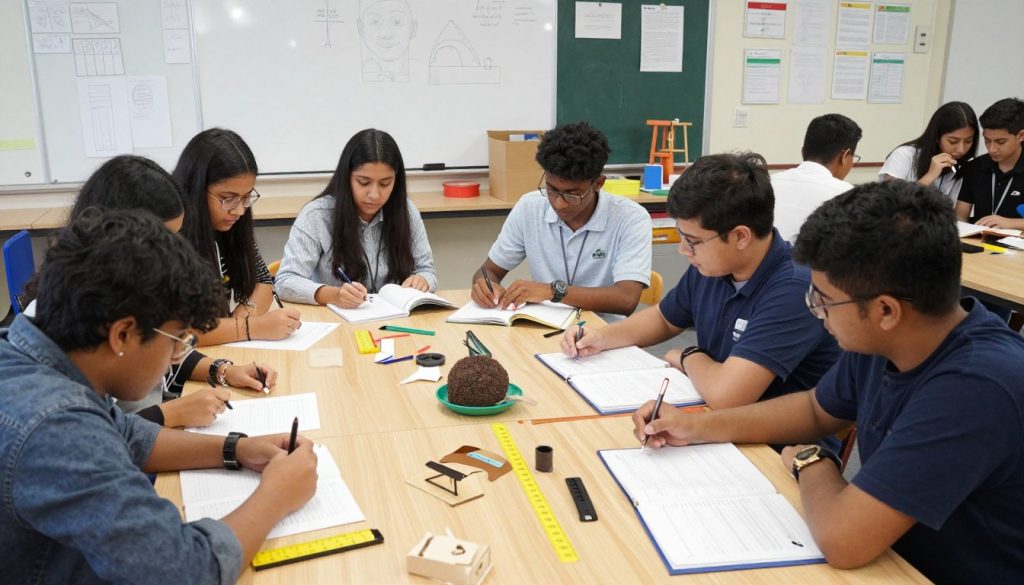
Real-world problem solving engages students in authentic application of knowledge
Progress Monitoring for Growth
A critical teacher skill for supporting gifted and talented learners is monitoring their growth, not just their achievement. A student consistently scoring in the 98th percentile may appear successful but could actually be stagnating if not appropriately challenged.
Implement regular progress monitoring that looks beyond grade-level standards to measure individual growth trajectories. This approach benefits all students by focusing on personal progress rather than arbitrary benchmarks.
Master Differentiation Strategies for Your Classroom
Develop the teacher skills needed to effectively implement differentiation strategies that support gifted and talented learners while benefiting all students. Our comprehensive professional development program provides practical techniques you can apply immediately.
Assessment Strategies That Work for Gifted and Talented Learners
Traditional assessment methods often fail to capture the true abilities of gifted students or provide meaningful feedback for their growth. Developing teacher skills for more effective assessment is crucial for supporting these learners.
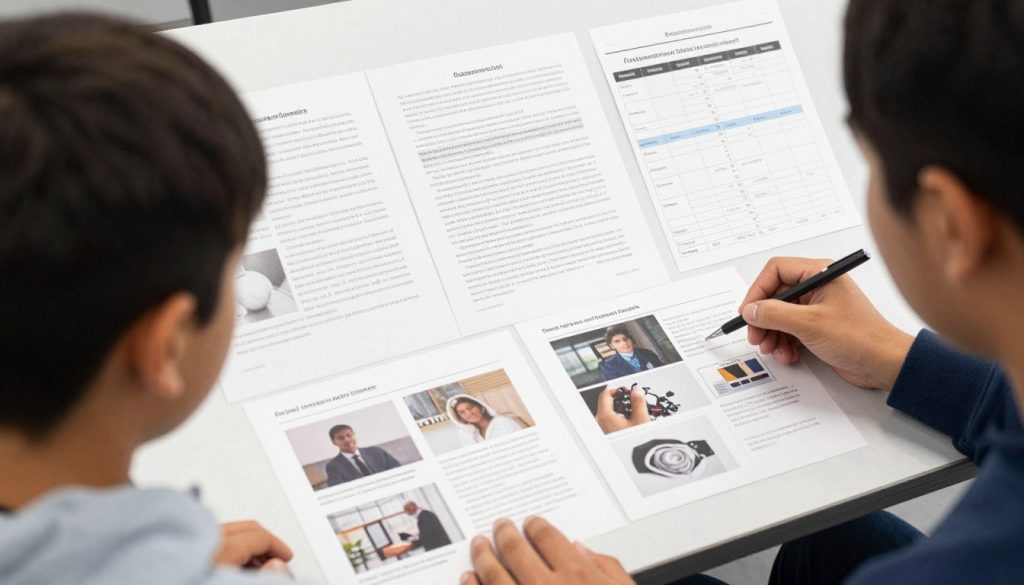
Portfolio assessment provides a more comprehensive view of student growth and achievement
Pre-Assessment
A critical teacher skill is effective pre-assessment to determine what students already know before beginning a unit. This prevents gifted and talented learners from spending time on content they’ve already mastered and allows for appropriate differentiation from the start.
Pre-assessment methods might include:
- Knowledge surveys or concept maps
- Performance tasks that reveal understanding
- Short writing prompts or discussions
- Quick skill demonstrations
Alternative Assessment Approaches
Developing diverse assessment teacher skills allows you to capture the unique abilities of gifted students while providing meaningful feedback for growth:
Portfolio Assessment
Collections of work that demonstrate growth over time, allowing students to showcase their best work and reflect on their learning journey.
Project-Based Assessment
Complex, authentic tasks that require application of knowledge and skills in real-world contexts, often with student choice in topic or approach.
Performance Assessment
Demonstrations of learning through presentations, debates, or other performance tasks that reveal depth of understanding and application.
These assessment approaches benefit all students by providing multiple pathways to demonstrate learning and focusing on growth rather than just achievement.
Assessment Tip for Gifted Education
When assessing gifted and talented learners, focus on depth of understanding rather than just correctness. Ask students to explain their thinking, apply concepts to new situations, or identify connections between ideas to reveal their true comprehension.
Explore research-based assessment practices from the National Association for Gifted Children
Developing Teacher Skills for Supporting Gifted and Talented Learners
Effectively supporting gifted students requires ongoing professional development and a commitment to refining specific teacher skills. The good news is that these skills benefit all students in your classroom.
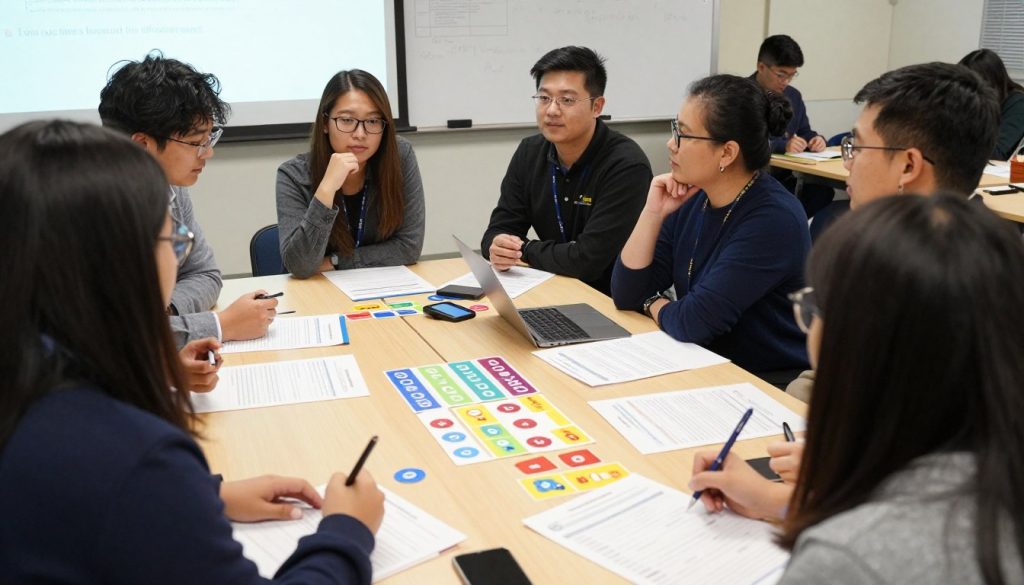
Ongoing professional development is essential for developing effective gifted education strategies
Essential Teacher Skills for Gifted Education
The following teacher skills are particularly valuable for supporting gifted and talented learners:
Differentiation Expertise
The ability to modify content, process, product, and learning environment based on student readiness, interest, and learning profile.
Advanced Questioning Techniques
Skills in crafting questions that promote higher-order thinking, encourage multiple perspectives, and stimulate deep exploration of concepts.
Facilitation vs. Direct Instruction
The ability to shift between providing direct instruction when needed and facilitating student-led inquiry when appropriate.
Curriculum Compacting
Skills in identifying already-mastered content and creating alternative learning experiences that extend and enrich understanding.
Transform Your Teaching with Advanced Strategies
Ready to take your teacher skills to the next level? Our comprehensive professional development program for gifted education provides practical strategies you can implement immediately in your classroom.
Collaboration and Resource Sharing
Developing effective teacher skills for gifted education doesn’t happen in isolation. Connect with colleagues, join professional learning communities, and access specialized resources to enhance your practice.
Consider exploring these valuable resources:
- The National Association for Gifted Children provides research-based resources and professional development
- Online communities of practice where teachers share strategies and materials
- District or regional gifted education specialists who can provide mentoring and support
- Professional development courses specifically focused on gifted education strategies
By continuously developing your teacher skills in these areas, you’ll not only better support your gifted and talented learners but create a more engaging, challenging classroom environment for all students.
Elevating Learning for All Through Gifted Education Strategies
Supporting gifted and talented learners isn’t just about helping a select few students—it’s about transforming your classroom into a more dynamic, engaging environment for everyone. The teacher skills you develop to support these exceptional students—differentiation, questioning techniques, flexible grouping, and authentic assessment—benefit all learners by creating multiple pathways to success.
Remember that gifted students, contrary to popular belief, don’t succeed automatically without support. They require appropriate challenges, emotional understanding, and opportunities to connect with intellectual peers. By implementing the strategies we’ve explored, you’ll not only meet the needs of your gifted learners but elevate the learning experience for your entire classroom.
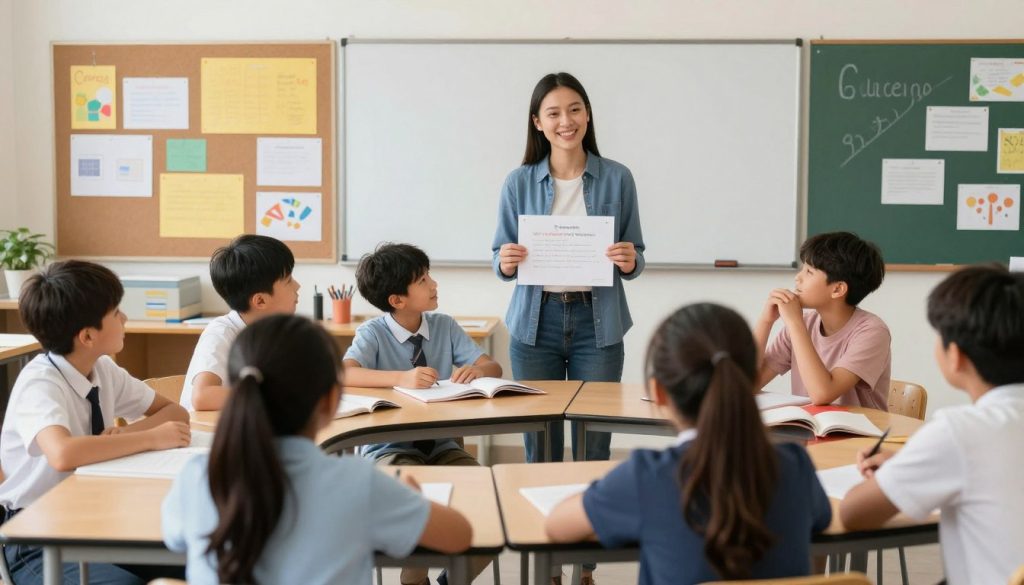
When gifted education strategies are implemented effectively, the entire classroom community benefits
Continue Your Professional Growth Journey
Ready to enhance your teacher skills and transform your approach to supporting gifted and talented learners? Our specialized professional development program provides the strategies, resources, and support you need to create an engaging, challenging classroom environment for all students.

Supporting the Social-Emotional Needs of Gifted and Talented Learners
Academic strategies alone aren’t enough to support gifted students. Developing teacher skills to address their unique social-emotional needs is equally important for their overall development and classroom success.
Addressing social-emotional needs is crucial for gifted student development
Common Challenges
Gifted and talented learners often face unique social-emotional challenges that require specific teacher skills to address:
Perfectionism
Many gifted students develop perfectionist tendencies that can lead to anxiety, fear of failure, and avoidance of challenges. Teachers can help by emphasizing growth mindset principles and creating safe spaces for intellectual risk-taking.
Asynchronous Development
Gifted students often experience uneven development across domains—their intellectual abilities may far outpace their emotional or social development. This can create frustration and social difficulties that require sensitive teacher guidance.
Heightened Sensitivity
Many gifted students experience the world more intensely, with stronger emotional responses to events, ideas, or sensory input. Developing teacher skills to recognize and accommodate these sensitivities creates a more supportive learning environment.
Social Isolation
Finding intellectual peers can be challenging for gifted students, potentially leading to feelings of isolation. Teachers can facilitate connections through interest-based activities and collaborative projects that value diverse strengths.
Strategies for Social-Emotional Support
Effective teacher skills for supporting the social-emotional needs of gifted and talented learners include:
These approaches benefit all students by creating a more emotionally intelligent classroom environment where individual differences are respected and supported.
Discover Courses