

What Is Student Engagement and Why Does It Matter?
Student engagement refers to the degree of attention, curiosity, interest, and passion that students show when learning. It extends beyond simple participation to include emotional investment in the learning process. Engaged students are motivated, persistent, and take pride in their academic achievements.
According to research by Lei, Cui, and Zhou (2018), there’s a strong positive correlation between student engagement and academic performance. When students are actively engaged, they’re more likely to retain information, develop higher-order thinking skills, and apply knowledge to new situations.
Engagement operates on three key levels:
- Behavioral engagement: Participation in academic and social activities
- Emotional engagement: Positive feelings toward learning, teachers, and peers
- Cognitive engagement: Investment in learning and willingness to tackle complex concepts
Developing effective teacher skills for increasing student engagement requires understanding these dimensions and implementing strategies that address all three. When students are engaged across these levels, they’re not just present in the classroom—they’re actively participating in their educational journey.
The Benefits of Increasing Student Engagement
Increasing student engagement yields numerous benefits that extend far beyond improved test scores. When we develop teacher skills focused on engagement, we create learning environments where students can truly thrive.
Academic Benefits
- Improved academic achievement: Engaged students typically earn higher grades and perform better on standardized tests
- Enhanced retention: Students remember more when they’re actively involved in learning
- Reduced achievement gaps: Engagement strategies can help close gaps between different student populations
- Lower dropout rates: Students who feel connected to school are less likely to leave before graduation
Social-Emotional Benefits
- Improved self-regulation: Engaged students develop better self-management skills
- Enhanced motivation: Interest in learning becomes more intrinsic
- Better classroom behavior: Engaged students typically exhibit fewer disruptive behaviors
- Stronger peer relationships: Collaborative engagement activities foster social connections
According to Edutopia’s research, schools that prioritize engagement see improvements not just in academic metrics but in school climate and student wellbeing as well. Developing teacher skills that foster engagement creates a positive cycle where success breeds further engagement.
Enhance Your Engagement Strategies
Looking to develop your teacher skills in student engagement? Explore our comprehensive professional development course designed specifically for K12 educators.
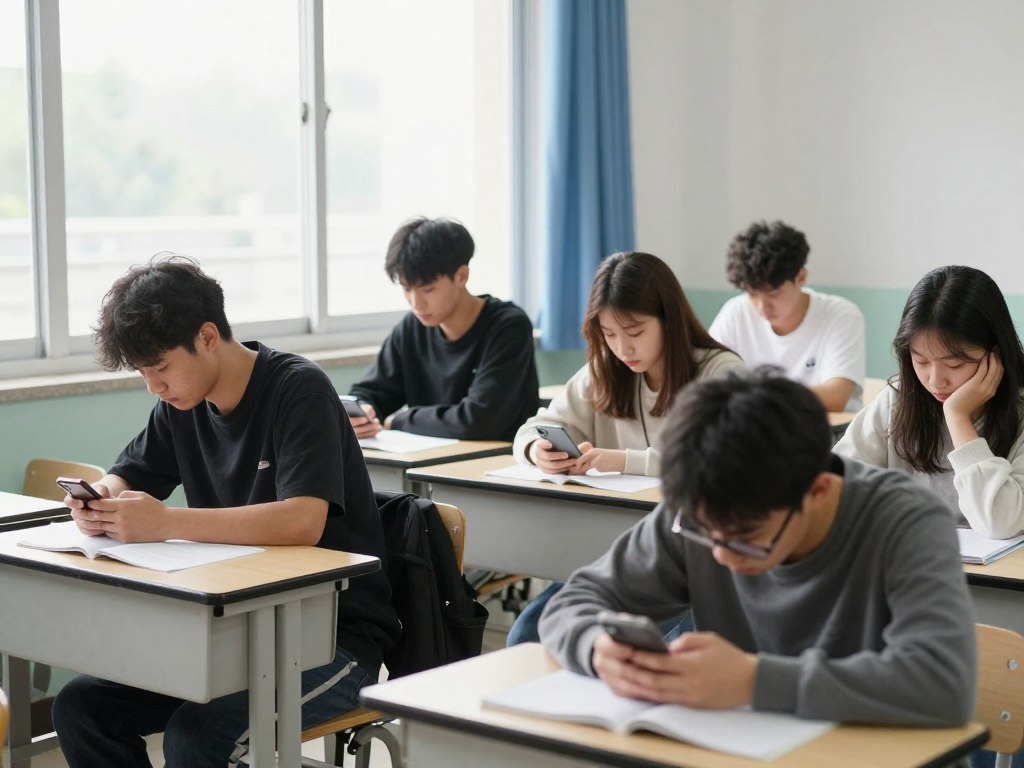
Recognizing Signs of Disengagement
Before we can focus on increasing student engagement, we need to recognize when students are disengaged. Developing these observational teacher skills helps us intervene before disengagement becomes entrenched.
Behavioral Signs
- Limited participation in discussions
- Incomplete assignments or homework
- Frequent absences or tardiness
- Disruptive behavior or acting out
- Lack of preparation for class
Emotional and Cognitive Signs
- Expressions of boredom or apathy
- Minimal effort on assignments
- Reluctance to tackle challenging tasks
- Difficulty connecting new concepts to prior knowledge
- Limited curiosity or questioning
It’s important to note that disengagement isn’t always obvious. Some students may appear compliant while mentally checking out. Others might be engaged in some subjects but not others. Developing teacher skills to recognize these nuanced signs allows for more targeted intervention.
“Student engagement is not about entertaining students or keeping them busy. It’s about creating meaningful learning experiences that connect to their lives and inspire them to dig deeper.”
Strategies for Increasing Student Engagement: Creating the Right Environment
The foundation for student engagement begins with the learning environment. Developing teacher skills to create a classroom atmosphere conducive to engagement is essential.
Physical Environment
- Flexible seating: Arrange your classroom to facilitate both individual work and collaboration
- Visual stimulation: Display student work, relevant content, and inspiring messages
- Learning centers: Create dedicated spaces for different types of learning activities
- Accessibility: Ensure all students can access materials and participate fully
Emotional Environment
- Relationship building: Take time to know your students as individuals
- Psychological safety: Create a space where students feel safe taking risks
- Clear expectations: Establish and communicate classroom norms
- Positive reinforcement: Recognize and celebrate effort and achievement
According to research by Reyes et al. (2012), emotionally supportive classroom environments are strongly linked to increased student engagement. When students feel valued and supported, they’re more likely to invest in learning.
Developing these teacher skills doesn’t require a complete classroom overhaul. Small, intentional changes to your environment can significantly impact student engagement levels.
Instructional Strategies for Increasing Student Engagement
The way we teach directly impacts how engaged our students are. Developing versatile teacher skills in instructional delivery helps reach more learners and maintain their interest.

Active Learning Approaches
- Think-Pair-Share: Give students time to think independently, discuss with a partner, then share with the class
- Jigsaw Activities: Divide content among groups, making each student responsible for teaching others
- Gallery Walks: Have students rotate through stations to examine different problems or content
- Socratic Seminars: Facilitate student-led discussions around essential questions
- Project-Based Learning: Engage students in solving authentic problems over time
Questioning Techniques
Effective questioning is among the most valuable teacher skills for increasing student engagement. Consider these approaches:
- Use a mix of lower and higher-order questions (refer to Bloom’s Taxonomy)
- Implement wait time after asking questions
- Use “no hands up” strategies where any student might be called upon
- Ask follow-up questions that probe for deeper understanding
- Encourage students to generate their own questions
Research consistently shows that active learning approaches lead to higher engagement and better outcomes. According to a meta-analysis published in PNAS, students in active learning environments performed significantly better than those in traditional lecture settings.
Quick Tip: Start small when implementing new instructional strategies. Choose one approach to master before adding others to your repertoire. This allows you to develop your teacher skills gradually while maintaining classroom management.
Leveraging Technology for Increasing Student Engagement
Technology, when used purposefully, can be a powerful tool for increasing student engagement. Developing teacher skills in educational technology integration helps create interactive, personalized learning experiences.
Effective Technology Integration
- Interactive presentation tools (Nearpod, Pear Deck) that allow for real-time student participation
- Digital formative assessment (Kahoot, Quizizz) that provides immediate feedback
- Creation tools (Canva, Adobe Express) that allow students to demonstrate learning creatively
- Virtual field trips that expand learning beyond classroom walls
- Learning management systems that facilitate organization and communication
“Technology will never replace great teachers, but technology in the hands of great teachers is transformational.”
Balancing Technology Use
While technology can enhance engagement, balance is key. Consider these guidelines when developing your teacher skills in technology integration:
- Ensure technology serves learning objectives rather than driving them
- Provide equitable access for all students
- Balance screen time with hands-on and interpersonal activities
- Teach digital citizenship alongside technology use
- Be prepared with non-digital alternatives when technology fails
According to research published in Frontiers in Psychology, technology that promotes active learning and provides immediate feedback is most effective for engagement. The key is using technology to enhance rather than replace effective teaching practices.
Differentiation: A Key to Increasing Student Engagement
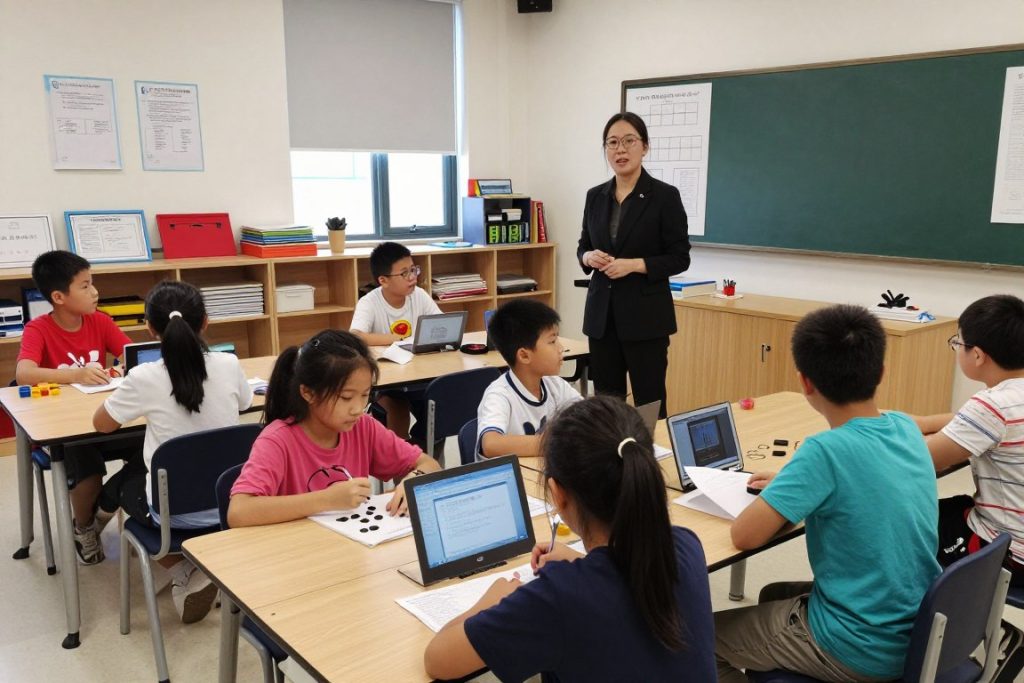
One of the most important teacher skills for increasing student engagement is the ability to differentiate instruction. When learning experiences are tailored to students’ needs, interests, and readiness levels, engagement naturally increases.
Four Ways to Differentiate
Content Differentiation
- Tiered reading materials at various complexity levels
- Concept presentation through multiple modalities
- Varied resource options for research
- Scaffolded instruction for complex concepts
Process Differentiation
- Flexible grouping based on readiness or interest
- Varied time allocations for task completion
- Choice in learning activities
- Scaffolded worksheets and graphic organizers
Product Differentiation
- Multiple options for demonstrating learning
- Choice boards for assignments
- Varied assessment formats
- Rubrics that allow for different paths to success
Learning Environment Differentiation
- Flexible seating options
- Varied work spaces for different tasks
- Sensory accommodations
- Time management supports
Effective differentiation requires developing teacher skills in ongoing assessment, flexible planning, and resource management. While it may seem overwhelming at first, starting with small differentiation strategies and gradually expanding your approach can make implementation manageable.
Master Differentiation Strategies
Our professional development course on increasing student engagement includes comprehensive modules on practical differentiation strategies for K12 classrooms.
Student Voice and Choice: Essential Elements for Increasing Student Engagement
When students have a say in their learning, engagement soars. Developing teacher skills that incorporate student voice and choice is essential for creating a student-centered classroom.
Incorporating Student Voice
- Class meetings where students can share ideas and concerns
- Student surveys to gather feedback on instruction and classroom climate
- Reflection opportunities that encourage metacognition
- Student-led conferences where students present their learning to parents
- Peer teaching opportunities that position students as experts
Providing Meaningful Choice
Effective choice isn’t just about letting students do whatever they want. It’s about providing structured options that all lead to learning goals. Consider these approaches:
- Learning menus that offer different paths to demonstrate mastery
- Project options that appeal to different interests and strengths
- Flexible deadlines within reasonable parameters
- Choice in working arrangements (individual, pairs, small groups)
- Options for how to receive instruction (video, text, demonstration)
According to research by Quin et al. (2017), student voice initiatives are positively associated with improved engagement, relationships, and academic outcomes. When students feel their perspectives matter, they’re more likely to invest in the learning process.
“The most powerful learning experiences come when students have authentic voice and choice in matters that are important to them.”
Assessment Strategies for Increasing Student Engagement
Assessment doesn’t have to be a disengaging experience. With the right teacher skills and approaches, assessment can actually enhance student engagement by providing meaningful feedback and opportunities for growth.
Formative Assessment Techniques
- Exit tickets to quickly gauge understanding
- Digital response systems for immediate feedback
- Self-assessment opportunities that develop metacognition
- Peer feedback protocols that encourage collaboration
- Visual representations like concept maps to show connections
Authentic Assessment Approaches
Moving beyond traditional tests can significantly increase engagement. Consider these alternatives:
- Project-based assessments that solve real-world problems
- Performance tasks that demonstrate applied skills
- Portfolio development that shows growth over time
- Student-created assessments where learners develop questions
- Community-connected projects with authentic audiences
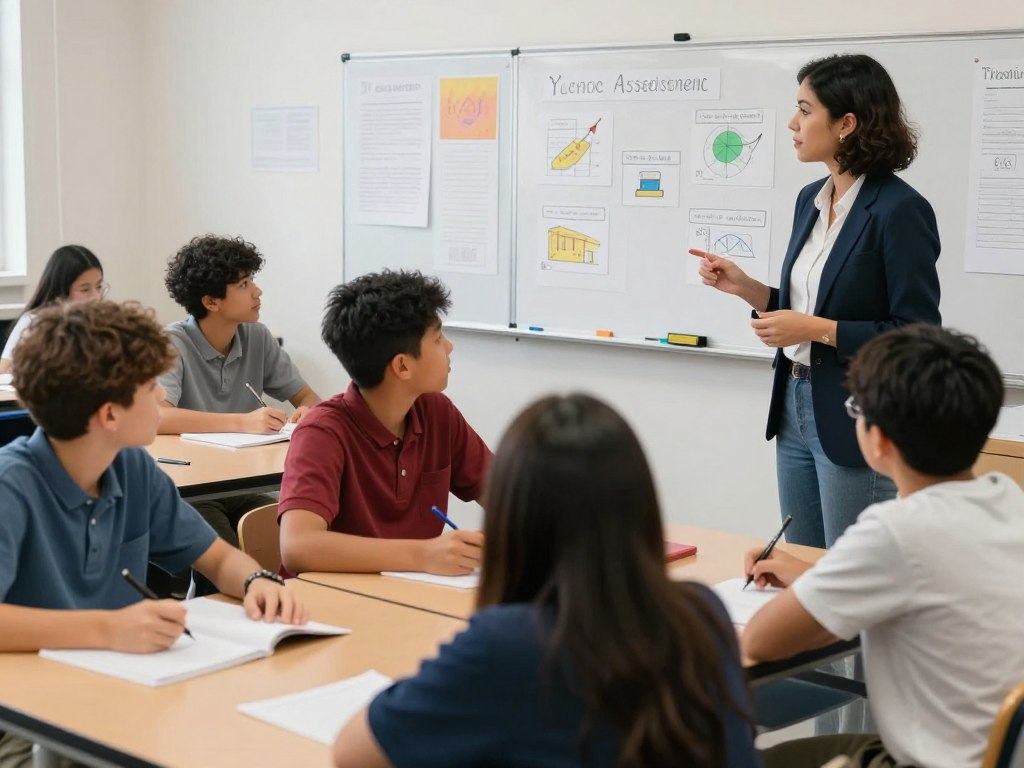
Developing teacher skills in varied assessment approaches allows you to gather more comprehensive data about student learning while maintaining high engagement. According to research by Wylie and Lyon (2020), formative assessment practices that involve students in the assessment process lead to greater engagement and improved learning outcomes.
Assessment Tip: When introducing new assessment approaches, be transparent with students about the purpose and process. Helping them understand how these assessments support their learning increases buy-in and engagement.
The Power of Relationships in Increasing Student Engagement
Perhaps the most fundamental teacher skills for increasing student engagement involve building strong, positive relationships with students. When students feel connected to their teachers and peers, engagement naturally follows.
Teacher-Student Relationship Strategies
- Greeting students by name at the door each day
- Learning about students’ interests outside of academics
- Sharing appropriate personal connections to content
- Providing specific, growth-oriented feedback
- Being consistent and fair in interactions and expectations
- Making time for one-on-one conversations with each student
Building Classroom Community
A strong classroom community supports engagement by creating a sense of belonging. Consider these approaches:
- Community-building activities throughout the year, not just at the beginning
- Class meetings to discuss issues and celebrate successes
- Collaborative projects that require positive interdependence
- Peer mentoring opportunities across grade levels
- Classroom traditions that create shared experiences
According to research by Roorda et al. (2011), positive teacher-student relationships have a significant impact on engagement and achievement, with effects being even stronger for students at risk of academic failure.
“Students don’t care how much you know until they know how much you care.”
Culturally Responsive Teaching for Increasing Student Engagement
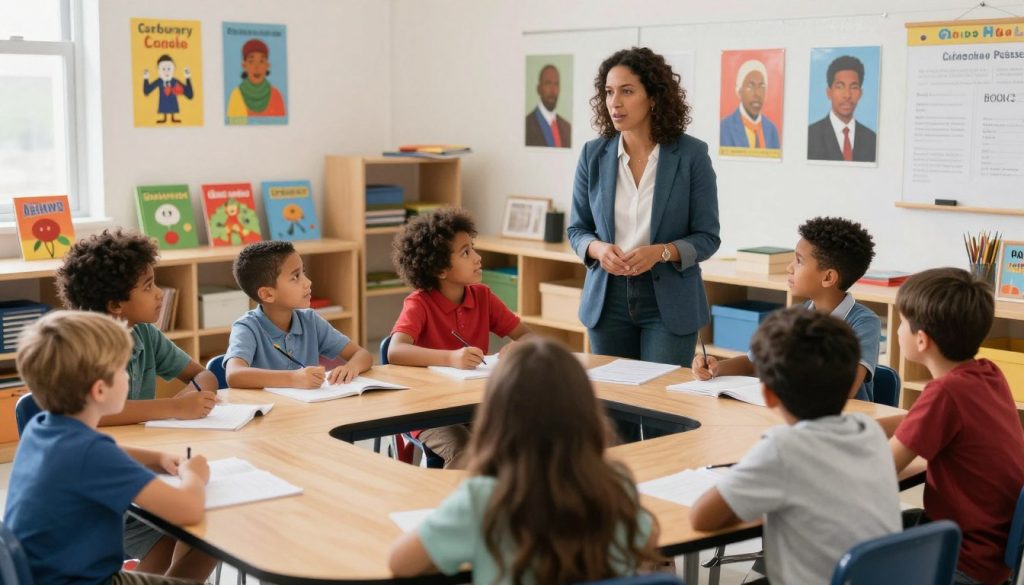
Developing teacher skills in culturally responsive practices is essential for engaging today’s diverse student populations. When students see themselves reflected in the curriculum and feel their cultural identities are valued, engagement deepens.
Key Principles of Culturally Responsive Teaching
- Recognizing and addressing bias in curriculum and teaching practices
- Incorporating diverse perspectives in content and materials
- Connecting learning to students’ cultural backgrounds and experiences
- Using varied instructional approaches that respond to different cultural learning styles
- Creating inclusive classroom environments where all students feel they belong
Practical Implementation Strategies
Moving from theory to practice requires specific teacher skills. Consider these approaches:
- Conduct cultural inventories to learn about students’ backgrounds
- Audit your classroom library for diverse representation
- Use examples and analogies from various cultural contexts
- Invite community members to share cultural knowledge
- Implement cooperative learning structures that value diverse contributions
According to research by Aronson and Laughter (2016), culturally responsive teaching practices are associated with increased student engagement, improved academic skills, and greater motivation to learn.
Reflection Question: How might you adapt your current curriculum to better reflect the cultural backgrounds and experiences of your students? What resources might you need to develop these teacher skills?
Extending Engagement: Involving Parents and Families
Increasing student engagement extends beyond the classroom walls. Developing teacher skills for family engagement creates a support network that reinforces the value of learning.
Family Communication Strategies
- Regular, positive communication about student progress and classroom activities
- Multiple communication channels to meet diverse family needs (digital, print, in-person)
- Translation services for families who speak languages other than English
- Clear explanations of learning goals and how families can support them
- Two-way communication opportunities that invite family input
Family Involvement Opportunities
Consider these approaches for meaningful family engagement:
- Family learning events where students share their work
- Home learning activities that connect to classroom content
- Volunteer opportunities that accommodate various schedules and skills
- Family surveys to gather input on school climate and programs
- Family resource centers that provide support and information
According to research by Sheldon and Epstein (2005), family engagement initiatives are associated with improved attendance, behavior, and academic achievement—all indicators of increased student engagement.
Develop Your Family Engagement Skills
Our professional development platform offers resources for building effective family-school partnerships that support student engagement.
Teacher Engagement: The Foundation for Student Engagement
We can’t overlook an essential truth: teacher engagement directly impacts student engagement. Developing teacher skills for self-care and professional growth is crucial for maintaining the energy and enthusiasm needed to engage students effectively.
Self-Care Strategies for Teachers
- Establishing boundaries between work and personal time
- Practicing mindfulness to manage stress
- Building supportive collegial relationships
- Celebrating small victories in the classroom
- Engaging in activities that bring joy outside of teaching
Professional Growth Opportunities
Continued learning keeps teaching fresh and engaging. Consider these approaches:
- Joining professional learning communities to share ideas
- Attending conferences or workshops on engagement strategies
- Reading professional literature on effective teaching practices
- Observing colleagues who excel at student engagement
- Pursuing advanced certifications or degrees in education
“Teaching is the profession that teaches all the other professions.”
According to research by Collie et al. (2018), teacher wellbeing is significantly associated with student engagement and achievement. When we invest in our own professional growth and wellbeing, we’re also investing in our students’ success.
Measuring and Tracking Student Engagement
To effectively increase student engagement, we need ways to measure and track it over time. Developing teacher skills in data collection and analysis helps us understand what’s working and what needs adjustment.
Observational Measures
- Engagement checklists that track specific behaviors
- Time-on-task observations during independent work
- Participation tracking during discussions
- Student interaction mapping during group work
- Body language and facial expression observations
Student Self-Reporting Measures
Students’ perspectives on their own engagement provide valuable insights:
- Engagement surveys that assess emotional, behavioral, and cognitive engagement
- Exit tickets with reflection questions about the learning experience
- Learning journals where students document their engagement
- Interest inventories that identify engaging topics and activities
- Student-led conferences where students reflect on their engagement

Effective measurement requires developing teacher skills in both qualitative and quantitative data collection. According to research by Fredricks et al. (2016), using multiple measures provides the most comprehensive picture of student engagement.
Data Collection Tip: Start small with one or two measurement strategies that feel manageable. As you develop your teacher skills in data analysis, you can expand your approach to include more comprehensive measures.
Overcoming Challenges to Increasing Student Engagement
Even with strong teacher skills, we all face challenges when trying to increase student engagement. Acknowledging these challenges and developing strategies to address them is essential for sustained success.
Common Challenges
- Time constraints for planning engaging lessons
- Curriculum requirements that seem to limit creativity
- Technology limitations or inequitable access
- Diverse student needs within a single classroom
- Assessment pressures that may narrow instructional focus
- Student resistance to active learning approaches
Practical Solutions
- Collaborative planning with colleagues to share the workload
- Finding creative ways to meet standards through engaging activities
- Developing low-tech alternatives for engagement strategies
- Implementing tiered activities that address various needs
- Aligning engaging practices with assessment requirements
- Gradually introducing new approaches with clear rationales
Developing resilience and problem-solving teacher skills helps us navigate these challenges without becoming discouraged. Remember that increasing student engagement is a journey, not a destination—continuous improvement is the goal.
“The greatest sign of success for a teacher is to be able to say, ‘The children are now working as if I did not exist.'”
Conclusion: The Ongoing Journey of Increasing Student Engagement
Increasing student engagement is both an art and a science. It requires developing a diverse set of teacher skills, from instructional design to relationship building, from technology integration to cultural responsiveness. When we commit to this work, the rewards are significant—not just in terms of academic achievement, but in the joy of learning that we cultivate in our students.
As you implement the strategies discussed in this article, remember that small changes can make a big difference. Start with one or two approaches that resonate with you and your students, then gradually expand your repertoire as your confidence and skills grow.
Most importantly, remember that increasing student engagement is an ongoing journey. What works for one group of students may need adjustment for another. What engages students in September might need refreshing by February. By staying reflective, adaptive, and committed to growth, you’ll continue to develop the teacher skills needed to create engaging learning experiences for all students.
Take Your Engagement Strategies to the Next Level
Ready to deepen your teacher skills and transform student engagement in your classroom? Our comprehensive professional development course provides practical strategies, ready-to-use resources, and ongoing support.
By investing in your professional growth, you’re investing in your students’ success. Together, we can create classrooms where engagement isn’t just a goal—it’s the foundation of everything we do.
Frequently Asked Questions About Student Engagement
What is the difference between student engagement and student participation?
Participation is just one aspect of engagement. A student might participate by raising their hand or completing assignments without being truly engaged. Engagement involves emotional investment, cognitive effort, and behavioral participation. An engaged student isn’t just going through the motions—they’re intellectually curious, emotionally connected to the learning, and actively involved in the process.
How can I engage students who seem resistant to learning?
Resistant students often have underlying reasons for their disengagement. Start by building a relationship and trying to understand their perspective. Find their interests and connect content to those interests when possible. Provide opportunities for success and positive reinforcement. Sometimes, resistant students need more structure and clear expectations, while others need more autonomy and choice. Developing teacher skills in relationship building is often the first step to reaching resistant learners.
How can I maintain student engagement during standardized test preparation?
Test preparation doesn’t have to be disengaging. Use game-based approaches to practice test-taking skills. Incorporate collaborative review activities where students teach concepts to each other. Connect test content to real-world applications whenever possible. Break preparation into manageable chunks with varied activities. Most importantly, maintain a positive attitude about the process—your engagement as a teacher influences student engagement with the material.
How do I balance engagement with classroom management?
Engagement and management aren’t opposing forces—they actually support each other. When students are genuinely engaged, many behavior issues disappear. That said, it’s important to establish clear procedures for interactive activities. Start with more structured engagement strategies until students learn the routines. Gradually release more responsibility as students demonstrate readiness. Remember that developing teacher skills in both engagement and management creates a classroom where students can thrive.


