

Understanding the Foundations of Increasing Student Engagement
Before diving into specific strategies, it’s important to understand what student engagement truly means. Student engagement isn’t simply about keeping students busy or entertained—it’s about creating meaningful connections between learners and the content, fostering intellectual curiosity, and developing a genuine love for learning.
According to research, student engagement operates on three distinct but interconnected levels: behavioral, emotional, and cognitive. Behavioral engagement refers to students’ participation in academic activities, emotional engagement involves their feelings toward learning and school, and cognitive engagement relates to their investment in mastering complex concepts.
Developing the teacher skills necessary to foster all three dimensions of engagement is crucial for creating a truly effective learning environment. When students are fully engaged, they not only perform better academically but also develop essential life skills like critical thinking, collaboration, and self-regulation.
A study published in the Journal of Educational Research found that students who reported higher levels of engagement demonstrated significantly better academic performance and were more likely to persist through challenging tasks. This highlights why increasing student engagement should be a priority for every educator.
The Profound Benefits of Increasing Student Engagement
When we successfully implement strategies for increasing student engagement, the benefits extend far beyond simply having an orderly classroom. Engaged students experience numerous advantages that positively impact their academic journey and personal development:
Academic Benefits
- Improved academic performance and higher grades
- Better retention of information and concepts
- Increased ability to apply knowledge to new situations
- Enhanced critical thinking and problem-solving skills
- Greater persistence when facing academic challenges
Social-Emotional Benefits
- Stronger sense of belonging in the school community
- Improved self-confidence and academic self-efficacy
- Better relationships with peers and teachers
- Reduced behavioral issues and classroom disruptions
- Development of intrinsic motivation for learning
The teacher skills required to create these benefits include not only instructional expertise but also emotional intelligence, adaptability, and a deep understanding of student needs. Teachers who excel at increasing student engagement understand that engagement isn’t a one-size-fits-all concept—it requires personalized approaches that consider each student’s unique learning style, interests, and background.
As professional development resources for teachers emphasize, creating engaging learning environments is both an art and a science that can be continuously refined through practice and reflection.
Common Barriers to Increasing Student Engagement
Before exploring effective strategies, it’s important to recognize the common obstacles that can hinder student engagement. Identifying these barriers is an essential teacher skill that allows educators to proactively address potential engagement challenges:
Barriers to Engagement
- One-size-fits-all instruction that fails to address diverse learning needs
- Passive learning environments where students are merely recipients of information
- Lack of relevance between curriculum and students’ lives or interests
- Fixed mindset culture that discourages risk-taking and learning from mistakes
- Excessive teacher talk with limited opportunities for student voice
- Insufficient wait time after posing questions
- Overemphasis on extrinsic motivators rather than fostering intrinsic motivation
Engagement Enablers
- Differentiated instruction tailored to individual learning needs
- Active learning approaches that position students as knowledge creators
- Real-world connections that demonstrate the relevance of learning
- Growth mindset culture that celebrates effort and progress
- Balanced classroom discourse with ample student participation
- Thoughtful questioning techniques with appropriate wait time
- Focus on intrinsic motivation through autonomy and purpose
Recognizing these barriers is just the first step. Developing the teacher skills to systematically address them requires ongoing professional growth and a commitment to creating more engaging learning environments. Many educators find that targeted professional development, like courses focused specifically on increasing student engagement, provides valuable strategies for overcoming these common obstacles.
Active Learning: The Core of Increasing Student Engagement
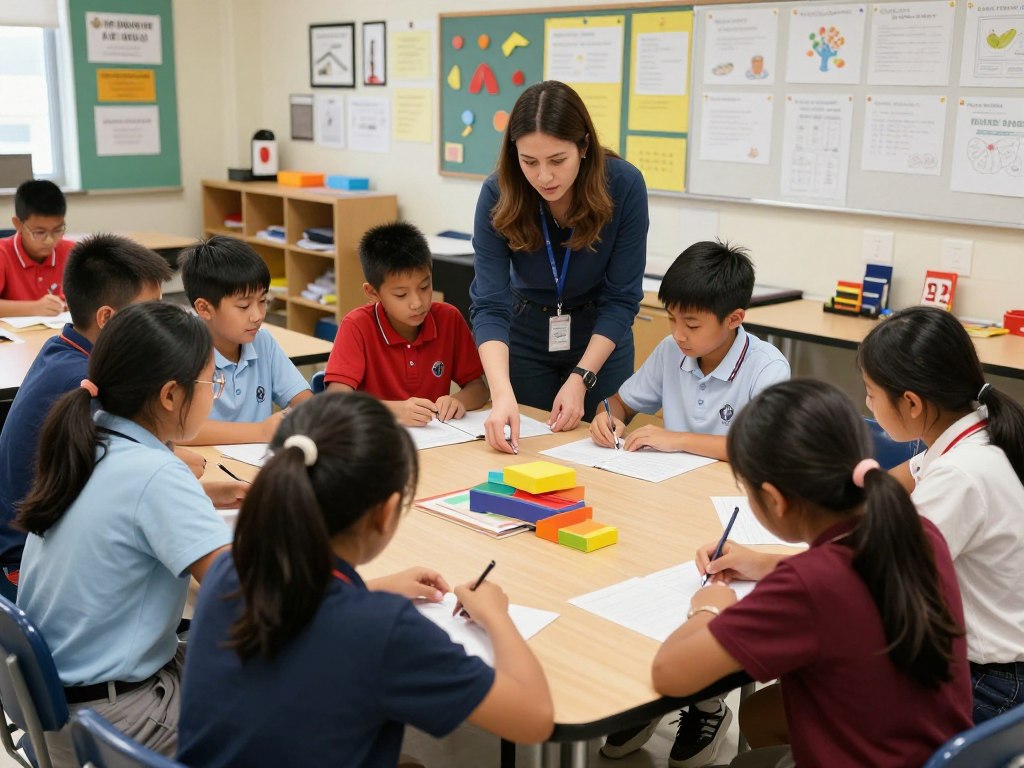
At the heart of increasing student engagement is the shift from passive to active learning. Active learning transforms students from passive recipients of information to active participants in the learning process. This approach aligns with how the brain naturally learns and processes information, making it a fundamental teacher skill for fostering meaningful engagement.
What Makes Learning “Active”?
Active learning involves students in doing things and thinking about what they’re doing. It includes a wide range of instructional approaches that share these key characteristics:
- Student-centered: Focuses on what students are doing rather than what the teacher is saying
- Participatory: Requires students to engage in higher-order thinking (analyzing, evaluating, creating)
- Collaborative: Often involves students working together to construct understanding
- Reflective: Includes opportunities for students to think about their learning process
Research consistently shows that active learning approaches lead to better retention, deeper understanding, and increased student satisfaction. A landmark study published in the Proceedings of the National Academy of Sciences found that students in active learning environments performed significantly better than those in traditional lecture-based classes.
Active Learning Strategies for Different Grade Levels
| Grade Level | Active Learning Strategies | Teacher Skills Required |
| Elementary (K-5) | Think-pair-share, learning stations, role-play, manipulatives, movement-based activities | Classroom management, clear instructions, scaffolding complex tasks, creating engaging materials |
| Middle School (6-8) | Jigsaw activities, debates, project-based learning, peer teaching, interactive notebooks | Facilitating productive group work, designing authentic assessments, balancing structure with autonomy |
| High School (9-12) | Socratic seminars, case studies, simulations, student-led research, flipped classroom approaches | Asking higher-order questions, providing constructive feedback, connecting content to real-world applications |
Implementing these active learning strategies requires intentional planning and specific teacher skills that can be developed through practice and professional development. Many educators find that specialized courses on increasing student engagement provide valuable frameworks for integrating active learning approaches into their daily instruction.
The Power of Questioning in Increasing Student Engagement
Effective questioning is one of the most powerful teacher skills for increasing student engagement. The questions we ask—and how we ask them—can dramatically impact student participation, critical thinking, and overall engagement with the content.
Types of Questions That Enhance Engagement
Lower-Order Questions
These questions focus on recall and basic understanding. While they have their place, relying too heavily on them can limit engagement.
- “What is the capital of France?”
- “When did World War II end?”
- “Who wrote Romeo and Juliet?”
Higher-Order Questions
These questions promote deeper thinking and greater engagement by requiring analysis, evaluation, and creation.
- “How might history have changed if the Allied Powers had lost WWII?”
- “What evidence supports your interpretation of the character’s motivation?”
- “How could we redesign this experiment to test a different variable?”
Questioning Techniques That Boost Engagement
- Wait time: Pausing for 3-5 seconds after asking a question gives students time to process and formulate thoughtful responses.
- No hands up: Using alternative participation strategies (like random calling or think-pair-share) ensures all students remain engaged and accountable.
- Follow-up questions: Responding to student answers with “Why?” or “How do you know?” encourages deeper thinking and elaboration.
- Student-generated questions: Teaching students to ask their own high-quality questions shifts ownership of learning and increases engagement.
- Question scaffolding: Starting with accessible questions and gradually increasing complexity allows all students to experience success.
Mastering these questioning techniques is a crucial teacher skill that directly impacts student engagement. According to research by John Hattie, effective questioning can more than double the rate of learning when implemented consistently.
“The art of teaching is the art of asking questions. The quality of the questions determines the quality of the thinking, which determines the quality of the learning.”
Developing advanced questioning skills is an ongoing process that benefits from targeted professional development. Many teachers find that specialized courses on increasing student engagement provide valuable frameworks for integrating effective questioning into their daily instruction.
Collaborative Learning: A Key Strategy for Increasing Student Engagement
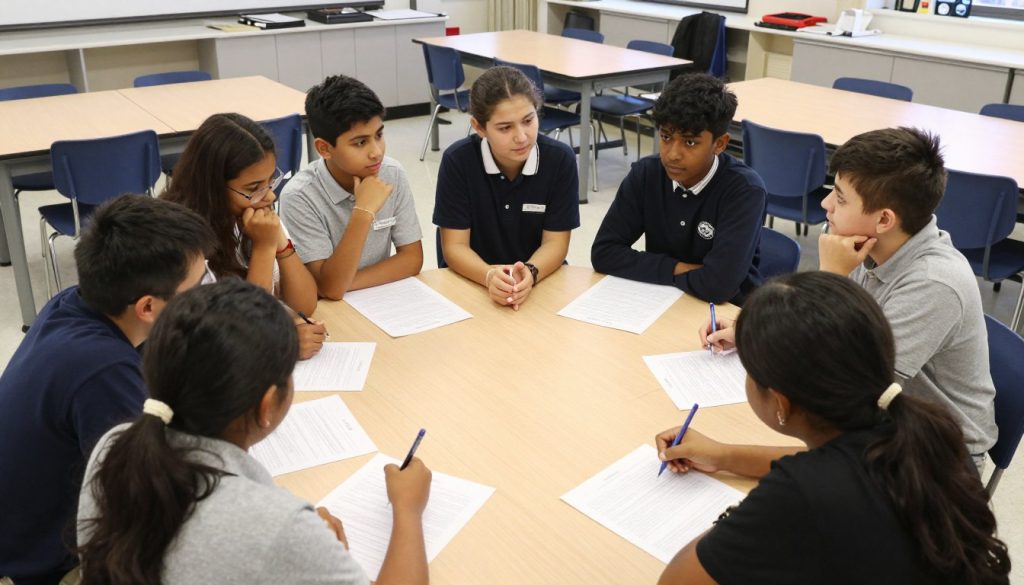
Collaborative learning is a powerful approach for increasing student engagement that leverages the social nature of learning. When structured effectively, collaborative activities create opportunities for students to articulate their thinking, consider diverse perspectives, and construct knowledge together.
Benefits of Collaborative Learning for Engagement
- Increased participation: Even reluctant students often engage more readily with peers than in whole-class settings
- Deeper processing: Explaining concepts to others requires students to organize and clarify their thinking
- Multiple perspectives: Exposure to different viewpoints enhances critical thinking
- Built-in support: Students can help each other overcome obstacles before seeking teacher assistance
- Real-world relevance: Collaboration reflects the teamwork required in most professional settings
Essential Teacher Skills for Effective Collaboration
Successfully implementing collaborative learning requires specific teacher skills that go beyond simply grouping students together:
Thoughtful Group Formation
Strategically forming groups based on learning objectives, student strengths, and social dynamics. Varying grouping strategies (heterogeneous, homogeneous, interest-based) for different purposes.
Clear Task Design
Creating tasks that require genuine collaboration rather than work that could be completed individually. Ensuring positive interdependence where each student’s contribution is necessary for success.
Explicit Collaboration Skills
Teaching and modeling specific collaboration skills like active listening, respectful disagreement, and equitable participation. Providing structures that support productive interaction.
Collaborative Structures That Enhance Engagement
| Collaborative Structure | Description | Engagement Benefits |
| Think-Pair-Share | Students think individually, discuss with a partner, then share with the class | Provides processing time, reduces participation anxiety, ensures all students articulate their thinking |
| Jigsaw | Students become “experts” on one aspect of content, then teach it to peers in mixed groups | Creates accountability, positions students as teachers, builds interdependence |
| Gallery Walk | Groups rotate through stations to examine and respond to other groups’ work | Incorporates movement, exposes students to multiple perspectives, creates authentic audience |
| Numbered Heads Together | Students in groups number off; teacher poses question, groups discuss, teacher calls number to respond | Ensures individual accountability within group work, keeps all students engaged |
Implementing these collaborative structures effectively requires practice and refinement of specific teacher skills. Many educators find that professional development focused on increasing student engagement provides valuable frameworks for integrating collaborative learning into their instructional repertoire.
Making Learning Relevant: A Cornerstone of Increasing Student Engagement
One of the most powerful strategies for increasing student engagement is making learning relevant to students’ lives, interests, and aspirations. When students understand why what they’re learning matters and how it connects to the world beyond school, their motivation and engagement naturally increase.
Why Relevance Drives Engagement
Research consistently shows that perceived relevance is a key factor in student motivation and engagement. When students see connections between classroom content and their own lives, they’re more likely to invest effort, persist through challenges, and retain what they learn.
“Students engage when the work allows them to develop and demonstrate understanding rather than simply reproduce knowledge.”
Strategies for Creating Relevant Learning Experiences
Connect to Student Interests
Conduct interest surveys to understand what engages your students. Incorporate student interests into examples, problems, and projects. Allow choice in topics, formats, or approaches when possible.
Highlight Real-World Applications
Explicitly discuss how content is used in various careers and everyday life. Invite guest speakers who use subject matter in their professions. Design authentic tasks that mirror real-world challenges.
Connect to Current Events
Link curriculum to news stories and contemporary issues. Analyze how historical concepts relate to current situations. Use media and technology that students encounter in their daily lives.
Creating relevant learning experiences requires specific teacher skills, including the ability to:
- Design authentic, meaningful tasks that go beyond worksheets and textbook exercises
- Connect abstract concepts to concrete examples that resonate with students
- Incorporate student voice and choice while maintaining curricular integrity
- Stay current with youth culture, technology trends, and current events
- Articulate the “why” behind learning activities in compelling ways
These teacher skills can be developed through intentional practice, collaboration with colleagues, and targeted professional development. Many educators find that specialized courses on increasing student engagement provide valuable frameworks for making learning more relevant and meaningful for their students.
Leveraging Technology for Increasing Student Engagement
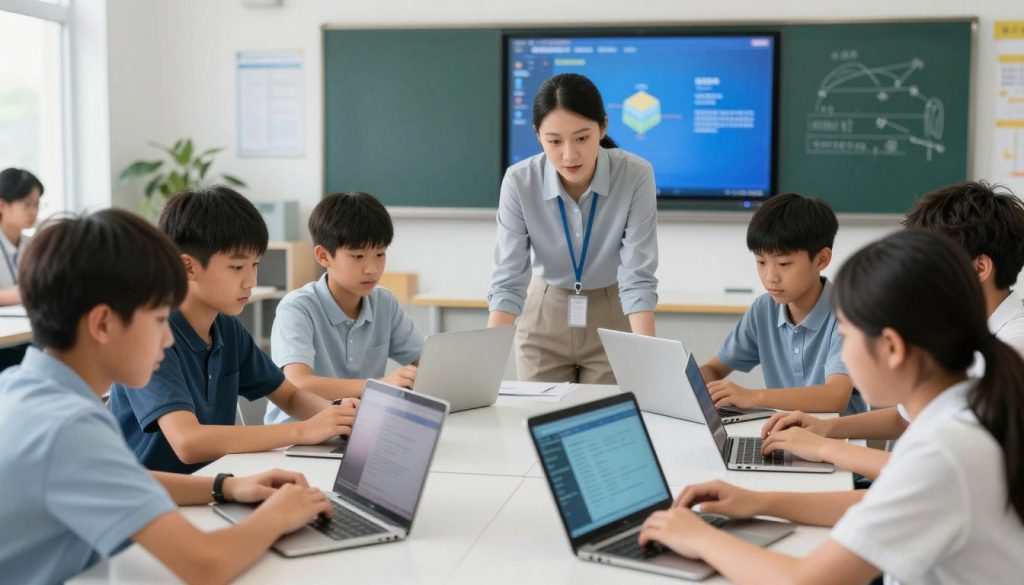
When used thoughtfully, technology can be a powerful tool for increasing student engagement. Digital tools can provide interactive experiences, instant feedback, and opportunities for creation and collaboration that might not otherwise be possible. However, the key is using technology with purpose—as a means to enhance learning rather than as an end in itself.
Principles for Engagement-Focused Technology Integration
- Prioritize active use over passive consumption – Choose tools that position students as creators, collaborators, and problem-solvers
- Focus on learning goals, not just novelty – Select technology that specifically enhances your instructional objectives
- Balance digital and non-digital approaches – Use technology when it adds value, not just because it’s available
- Consider equity and access – Ensure all students can fully participate regardless of home technology resources
Engagement-Enhancing Technology Applications
| Engagement Goal | Technology Approaches | Teacher Skills Required |
| Increase participation | Digital response systems, interactive polls, collaborative documents | Designing effective questions, managing digital discussions, interpreting real-time data |
| Provide personalization | Adaptive learning platforms, digital choice boards, self-paced modules | Setting appropriate parameters, monitoring progress, providing targeted support |
| Foster creation | Digital storytelling, multimedia presentations, coding projects | Establishing clear criteria, teaching digital literacy, balancing structure with creativity |
| Enable collaboration | Shared workspaces, video conferencing, digital feedback tools | Designing collaborative tasks, establishing digital norms, troubleshooting technical issues |
Effectively integrating technology requires specific teacher skills that go beyond basic digital literacy. These include the ability to evaluate tools critically, design technology-enhanced learning experiences, manage digital workflows, and model responsible digital citizenship.
Remember: Technology should enhance, not replace, the human connections that are fundamental to engagement. The most effective technology integration happens when teachers maintain their crucial role as facilitators, guides, and relationship-builders while leveraging digital tools to expand learning possibilities.
Developing these technology integration skills is an ongoing process that benefits from targeted professional development. Many teachers find that specialized courses on increasing student engagement provide valuable frameworks for integrating technology in ways that genuinely enhance learning rather than simply digitizing traditional approaches.
The Role of Feedback in Increasing Student Engagement
Effective feedback is a powerful catalyst for increasing student engagement. When provided skillfully, feedback helps students understand where they are in their learning journey, what their next steps should be, and that their efforts can lead to growth and improvement.
Characteristics of Engagement-Enhancing Feedback
What Works
- Timely: Provided when students can still act on it
- Specific: Focuses on particular aspects of work rather than general comments
- Actionable: Gives clear guidance on how to improve
- Process-oriented: Emphasizes strategies and effort rather than fixed traits
- Balanced: Acknowledges strengths while identifying areas for growth
What Doesn’t Work
- Delayed: Comes too late to influence learning
- Vague: Offers general praise or criticism without specifics
- Terminal: Focuses only on judgment without guidance for improvement
- Person-oriented: Comments on innate ability rather than effort and strategy
- Unbalanced: Focuses exclusively on either strengths or weaknesses
Research by John Hattie indicates that effective feedback is one of the most powerful influences on student achievement, with an effect size nearly twice that of most other educational interventions.
Feedback Strategies That Boost Engagement
- Two Stars and a Wish: Identify two specific strengths in student work and one focused area for improvement.
- Comment-Only Marking: Provide detailed comments without grades on formative work to focus attention on learning rather than performance.
- Student Self-Assessment: Guide students to evaluate their own work against clear criteria before receiving teacher feedback.
- Peer Feedback Protocols: Teach students to give specific, constructive feedback to peers using structured protocols.
- Digital Feedback Tools: Use audio, video, or interactive comments to provide more personalized and detailed feedback efficiently.
Providing effective feedback is a sophisticated teacher skill that requires practice and refinement. It involves not just what feedback is given, but how and when it’s delivered. The most engaging feedback approaches position students as active participants in the feedback process rather than passive recipients.
“The most powerful single modification that enhances achievement is feedback. The simplest prescription for improving education must be ‘dollops of feedback.'”
Developing advanced feedback skills is an ongoing process that benefits from targeted professional development. Many teachers find that specialized courses on increasing student engagement provide valuable frameworks for integrating effective feedback practices into their daily instruction.
Cultivating Growth Mindset: A Foundation for Increasing Student Engagement
A growth mindset classroom culture is a powerful foundation for increasing student engagement. When students believe that their abilities can be developed through dedication and hard work—rather than being fixed traits—they’re more likely to embrace challenges, persist through difficulties, and engage deeply with learning.
The Connection Between Mindset and Engagement
Research by Carol Dweck and others has demonstrated that students’ beliefs about learning and intelligence profoundly impact their motivation and engagement. Students with a growth mindset tend to:
- View challenges as opportunities rather than threats
- Persist longer when facing obstacles
- Learn from criticism rather than avoiding it
- Find inspiration in others’ success rather than feeling threatened
- Take greater ownership of their learning process
These attitudes directly translate to higher levels of engagement, as students become more willing to invest effort and take intellectual risks.
Teacher Skills for Fostering Growth Mindset
Language and Messaging
Use process praise that focuses on effort, strategies, and progress rather than innate ability. Frame challenges as opportunities for growth. Normalize struggle as an essential part of learning.
Instructional Approaches
Provide appropriate challenge that stretches students without overwhelming them. Teach explicit learning strategies rather than just content. Create opportunities for revision and improvement.
Assessment Practices
Emphasize formative assessment that guides learning rather than just measuring it. Allow multiple attempts and pathways to demonstrate mastery. Celebrate growth and improvement, not just achievement.
Growth Mindset Language That Enhances Engagement
| Instead of… | Try… | Impact on Engagement |
| “You’re so smart!” | “I noticed how you kept trying different strategies until you found one that worked.” | Encourages persistence and strategic thinking rather than performance for validation |
| “This is easy; everyone should get it.” | “This might take some time and effort, but I know you can develop these skills.” | Normalizes productive struggle and builds confidence for tackling challenges |
| “Some people just aren’t math people.” | “Everyone can develop strong math skills with practice and the right strategies.” | Removes artificial barriers to engagement based on perceived fixed abilities |
| “You made a mistake.” | “That didn’t work yet. What might you try differently next time?” | Reframes mistakes as valuable learning opportunities rather than failures |
Cultivating a growth mindset classroom culture is a sophisticated teacher skill that requires consistent attention to language, instructional design, and assessment practices. Many educators find that professional development focused on increasing student engagement provides valuable frameworks for integrating growth mindset principles into their daily teaching.
Building Relationships: The Human Element of Increasing Student Engagement
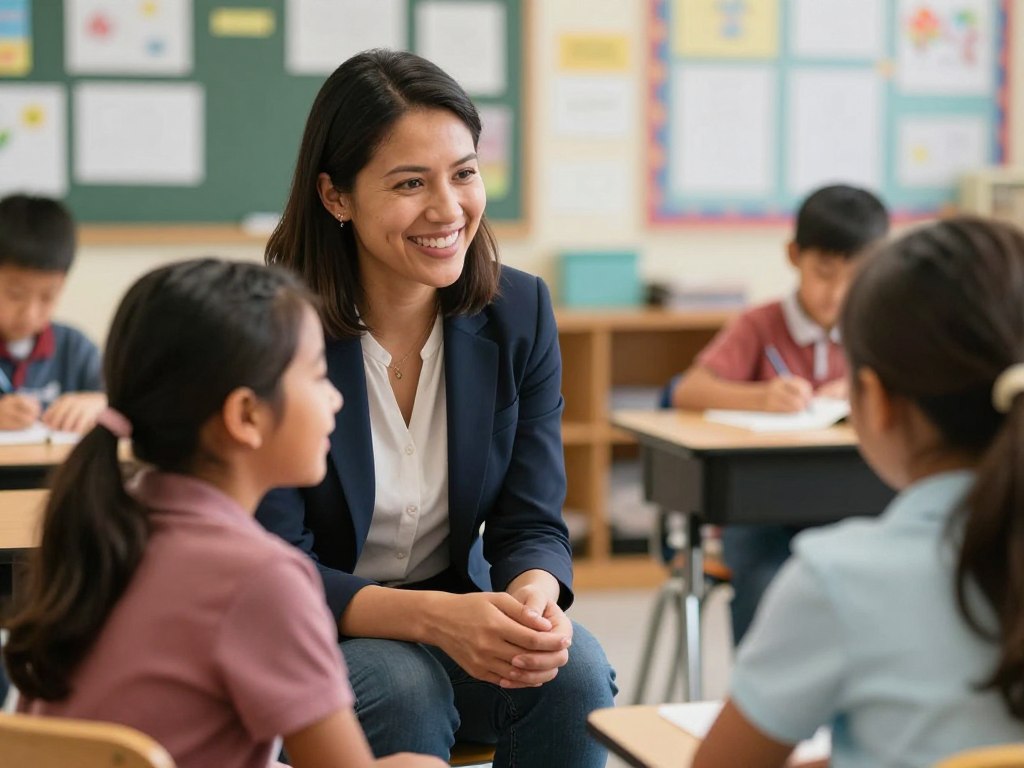
At the heart of increasing student engagement is the quality of relationships in the classroom. When students feel known, valued, and supported by their teachers and peers, they’re more likely to engage fully in learning. The research is clear: positive teacher-student relationships are strongly correlated with higher levels of engagement and academic success.
Why Relationships Drive Engagement
Strong classroom relationships contribute to engagement in several important ways:
- Psychological safety: Students feel comfortable taking risks and making mistakes
- Sense of belonging: Students feel connected to the classroom community
- Increased motivation: Students work harder for teachers they respect and who they believe care about them
- Better communication: Students are more receptive to feedback from trusted teachers
- Reduced behavior issues: Strong relationships naturally minimize many classroom management challenges
Teacher Skills for Building Engagement-Enhancing Relationships
Know Your Students
Learn about students’ interests, strengths, and challenges through surveys, conversations, and observation. Use this knowledge to personalize interactions and instruction. Attend extracurricular events to see students in different contexts.
Create Connection Opportunities
Implement regular check-ins, both academic and personal. Use morning meetings or advisory periods for community building. Create structures for students to share their thoughts and experiences.
Demonstrate Care and Respect
Show authentic interest in students’ lives and perspectives. Maintain high expectations while providing appropriate support. Admit mistakes and model growth mindset. Use humor appropriately to create a positive atmosphere.
“Students don’t care how much you know until they know how much you care.”
Building strong relationships requires specific teacher skills that go beyond content knowledge and instructional techniques. These include emotional intelligence, cultural competence, active listening, and the ability to create a classroom environment where all students feel valued and respected.
Remember: Relationship-building isn’t separate from academic instruction—it’s the foundation that makes effective instruction possible. The time invested in developing strong relationships pays dividends in increased engagement, improved behavior, and enhanced learning.
Developing these relationship-building skills is an ongoing process that benefits from reflection, feedback, and professional development. Many teachers find that specialized courses on increasing student engagement provide valuable frameworks for strengthening the relational aspects of their teaching practice.
Practical Steps for Implementing Student Engagement Strategies
Understanding the principles of increasing student engagement is important, but translating that knowledge into daily classroom practice is where the real impact happens. Here’s a practical framework for implementing engagement strategies in a sustainable way:
Start Small and Build Gradually
Rather than trying to transform your entire practice at once, focus on implementing one or two engagement strategies at a time. This approach allows you to:
- Develop proficiency with each strategy before adding more
- Assess the impact of specific approaches on your students
- Make adjustments based on what works in your unique context
- Avoid feeling overwhelmed by too many simultaneous changes
Implementation Timeline
| Timeframe | Focus Areas | Teacher Skills to Develop |
| First Month | Relationship-building and classroom culture | Getting to know students, establishing norms, creating safe learning environment |
| Second Month | Questioning techniques and active participation | Higher-order questioning, wait time, participation structures |
| Third Month | Collaborative learning structures | Group formation, task design, teaching collaboration skills |
| Fourth Month | Feedback and assessment for learning | Formative assessment, specific feedback, student self-assessment |
Reflection and Refinement Process
Continuous improvement in increasing student engagement requires a systematic approach to reflection and refinement:
- Gather evidence: Collect data on student engagement through observation, student feedback, work samples, and assessment results.
- Analyze patterns: Look for trends in when and how students are most engaged, as well as moments when engagement dips.
- Identify adjustments: Based on your analysis, determine specific changes to make in your approach.
- Implement changes: Try out your adjusted strategies, being explicit with students about what you’re doing and why.
- Reassess: Gather new evidence to determine the impact of your changes and continue the cycle.
This reflective cycle is a critical teacher skill for continuously improving your ability to engage students effectively. Many educators find that having structured frameworks and professional guidance accelerates this improvement process.
Ready to Take Your Student Engagement to the Next Level?
Discover research-based strategies and practical techniques for increasing student engagement in your classroom. Our specialized professional development course provides frameworks, tools, and support to help you transform student participation and learning.
Conclusion: The Ongoing Journey of Increasing Student Engagement
Increasing student engagement is not a destination but a continuous journey of growth and refinement. As we’ve explored throughout this article, engagement is multifaceted—involving behavioral, emotional, and cognitive dimensions that all contribute to meaningful learning experiences.
The most effective teachers understand that engagement isn’t about entertainment or keeping students busy. Rather, it’s about creating conditions where students genuinely invest in their learning, take intellectual risks, and develop the skills and mindsets that will serve them throughout their lives.
The teacher skills required for fostering deep engagement—from questioning techniques to relationship-building, from feedback approaches to technology integration—are sophisticated and complex. Developing these skills takes time, practice, reflection, and ongoing professional learning.
As you continue your own journey of increasing student engagement, remember that small, consistent improvements compound over time. Each engaged moment you create for your students contributes not only to their academic success but also to their development as curious, confident, and capable learners.
By prioritizing active participation and implementing the strategies we’ve discussed, you can transform your classroom into a place where students don’t just attend—they engage, they think, they collaborate, and they thrive.
“Education is not the filling of a pail, but the lighting of a fire.”
Continue developing your teacher skills through reflection, collaboration with colleagues, and targeted professional development. Your commitment to increasing student engagement makes a profound difference in the lives of your students every day.
Enhance Your Teacher Skills with Professional Development
Explore our comprehensive resources for K-12 teachers looking to increase student engagement and transform their classrooms. From practical strategies to research-based approaches, we provide the tools you need to succeed.


