

What Is the Science of Reading and Why Does It Matter?
The science of reading isn’t a program, curriculum, or teaching method. Rather, it’s a vast, interdisciplinary body of scientifically-based research about reading development, reading difficulties, and effective reading instruction. This research spans decades and draws from cognitive psychology, educational psychology, neuroscience, and linguistics.
Understanding the science of reading requires developing teacher skills that bridge theory and practice. When we align our instructional approaches with how the brain actually learns to read, we can dramatically improve outcomes for all students, especially those who struggle.
The importance of reading instruction grounded in science cannot be overstated. Research consistently shows that when teachers implement evidence-based reading practices, up to 95% of all students can learn to read at grade level. This includes students with dyslexia and other learning differences who might otherwise fall through the cracks.
“Teaching reading is rocket science. The complexity of the reading process demands that teachers understand the what, how, and why of reading instruction.”
The Brain Science Behind the Importance of Reading
When we talk about the science of reading, we’re literally talking about what happens in the brain when someone learns to read. Unlike speaking, which humans have evolved to acquire naturally, reading must be explicitly taught. Our brains aren’t wired for reading from birth—we must build neural pathways specifically for this skill.
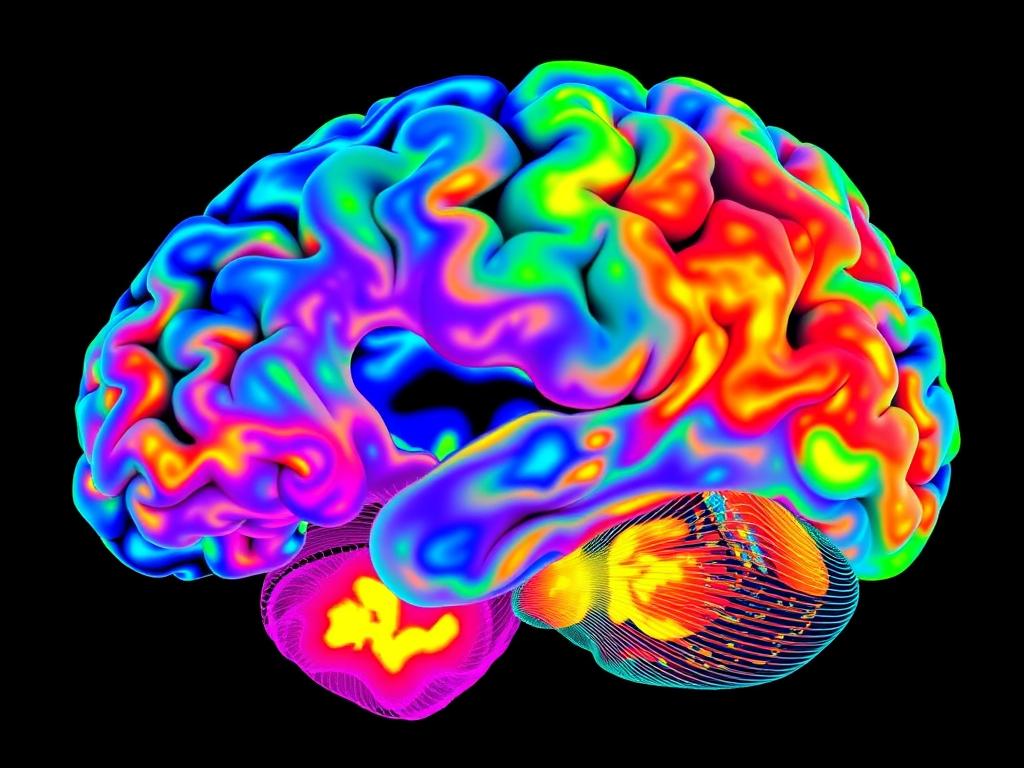
Neuroimaging studies have revealed that proficient readers use specific neural pathways to connect various parts of the brain when reading. These studies show that the brain must coordinate multiple systems to decode text and extract meaning:
- The phonological processor identifies speech sounds
- The orthographic processor recognizes letter patterns
- The meaning processor (semantics) connects to vocabulary knowledge
- The context processor integrates background knowledge
- The executive function system coordinates these processes
Developing these teacher skills related to brain science helps us understand why certain instructional approaches work better than others. For example, we now know that the brain needs explicit instruction in phonemic awareness and phonics to build strong reading circuits. This knowledge has profound implications for how we teach reading in our classrooms.
According to research published in the Journal of Neuroscience, children who receive structured literacy instruction show greater activation in key reading areas of the brain compared to those taught with less systematic approaches.
The Five Pillars of Reading: Core Components of Effective Instruction
In 2000, the National Reading Panel identified five essential components of effective reading instruction, often referred to as the “five pillars.” These components have been consistently validated by research and form the foundation of the science of reading approach:
Phonemic Awareness
The ability to hear, identify, and manipulate individual sounds (phonemes) in spoken words. This foundational skill helps children understand that words are made up of sounds that can be rearranged, added, or deleted.
Phonics
The systematic relationship between letters and sounds. Explicit phonics instruction teaches students to decode words by applying their knowledge of how letters represent sounds.
Fluency
The ability to read with speed, accuracy, and proper expression. Fluent readers can focus on comprehension because they don’t need to concentrate on decoding.
Vocabulary
Knowledge of word meanings. The more words students know, the better they comprehend text. Vocabulary knowledge is strongly correlated with reading comprehension.
Comprehension
The ultimate goal of reading—understanding and interpreting what is read. Comprehension involves actively constructing meaning through interaction with text.
Teacher Skills
The expertise educators develop to effectively teach these five components. Strong teacher skills in these areas lead to better student outcomes in reading proficiency.
Developing comprehensive teacher skills across all five pillars is essential for implementing effective reading instruction. Each component builds upon the others, creating a cohesive approach to teaching reading that aligns with how students’ brains learn.
Enhance Your Reading Instruction Skills
Looking for research-backed strategies to improve reading comprehension in your classroom? Our comprehensive guide offers practical techniques aligned with the science of reading.
Structured Literacy: Applying the Science to Classroom Practice
Structured literacy is an approach to reading instruction that embodies the principles of the science of reading. It’s characterized by systematic, explicit, and cumulative instruction that builds from simple to complex skills.
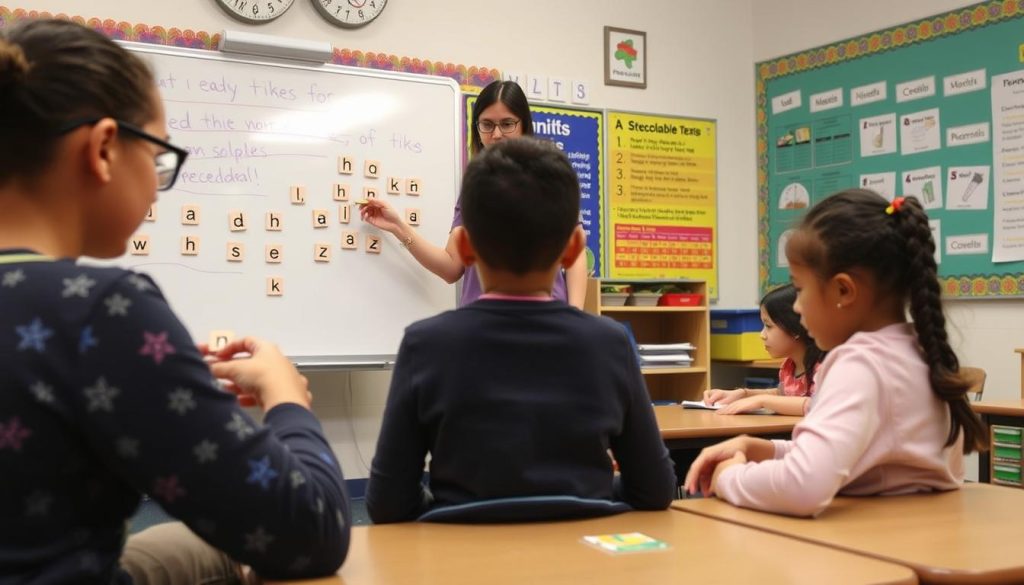
Key characteristics of structured literacy include:
Explicit Instruction
Teachers clearly explain concepts rather than expecting students to figure them out independently. This direct approach is particularly beneficial for struggling readers.
Systematic and Cumulative
Skills are taught in a logical sequence, with each new skill building upon previously mastered ones. Nothing is left to chance or incidental learning.
Diagnostic Teaching
Instruction is informed by careful observation of student responses, with teachers adjusting their approach based on student needs.
Multisensory Engagement
Learning involves visual, auditory, and kinesthetic-tactile pathways simultaneously, strengthening neural connections.
Implementing structured literacy requires specific teacher skills that may differ from how many of us were trained to teach reading. These skills include phonological awareness instruction, explicit phonics teaching, and systematic word study.
The importance of reading instruction that follows these principles is supported by a substantial body of research. Studies consistently show that structured literacy approaches benefit all students and are essential for those with reading difficulties.
The Lifelong Importance of Reading: Beyond Academic Achievement
While our immediate focus as educators is often on academic outcomes, the importance of reading extends far beyond test scores and grade-level proficiency. Reading proficiency impacts virtually every aspect of a person’s life:

Cognitive Development
Reading strengthens brain connectivity, improves concentration, and enhances critical thinking skills. Regular readers demonstrate better memory, attention, and analytical abilities.
Emotional Intelligence
Through stories, readers experience diverse perspectives and emotions, developing greater empathy and social understanding. This emotional literacy is crucial for healthy relationships.
Economic Opportunity
Reading proficiency correlates strongly with employment prospects and income potential. Students who read well have more educational and career options available to them.
As teachers, our reading instruction has ripple effects that extend throughout our students’ lives. The teacher skills we develop to effectively teach reading represent some of the most impactful tools in our professional toolkit.
Research from the Annie E. Casey Foundation found that students who aren’t proficient readers by third grade are four times more likely to drop out of high school. This statistic underscores the critical importance of reading instruction in the early grades and the need for evidence-based teaching approaches.
Common Misconceptions About Reading Instruction
Despite the robust research supporting the science of reading, several misconceptions persist in reading instruction. Addressing these misconceptions is an important part of developing effective teacher skills:
Research-Backed Approaches
- Systematic phonics instruction benefits all readers
- Explicit teaching of reading strategies improves comprehension
- Decodable texts support beginning readers
- Regular assessment informs effective instruction
- Teacher knowledge of language structures matters
Unsupported Practices
- Children naturally learn to read like they learn to speak
- Using context clues is the primary strategy for word recognition
- Memorizing sight words is more important than phonics
- One teaching approach works for all students
- Reading more is sufficient to become a better reader
Understanding these distinctions helps teachers develop the specialized knowledge needed for effective reading instruction. The importance of reading instruction based on scientific evidence rather than tradition or intuition cannot be overstated.
Implementing the Science of Reading in Your Classroom
Translating the science of reading into daily classroom practice requires specific teacher skills and intentional planning. Here are practical strategies for implementing evidence-based reading instruction:

Assessment and Differentiation
Begin by assessing students’ skills across the five pillars of reading. Use this data to group students and differentiate instruction based on their specific needs. Regular progress monitoring allows you to adjust your approach as students develop.
Explicit Phonological Awareness and Phonics Instruction
Dedicate time each day to systematic instruction in these foundational skills. Even older students who struggle with reading often need support with these basics. Use multisensory approaches that engage multiple learning pathways.
Thoughtful Text Selection
Choose texts that align with your instructional goals. For beginning readers, decodable texts that feature patterns they’ve learned help build confidence and reinforce phonics skills. As students progress, gradually introduce more complex texts.
Vocabulary and Background Knowledge
Explicitly teach key vocabulary and build background knowledge before reading. This preparation significantly improves comprehension, especially for complex texts or unfamiliar topics.
Developing these teacher skills takes time and practice. Professional learning communities can provide valuable support as you implement new approaches to reading instruction.
Elevate Your Teaching Practice
Ready to transform your reading instruction with science-backed strategies? Explore our professional development opportunities designed specifically for K-12 educators.
Assessing Reading Progress: Measuring What Matters
Effective assessment is a critical teacher skill that supports science-based reading instruction. When we assess strategically, we gather valuable information that guides our teaching and helps us monitor student progress.

Types of Reading Assessments
Screening Assessments
Quick measures that identify students who may be at risk for reading difficulties. These assessments help teachers determine which students need additional support or intervention.
Diagnostic Assessments
In-depth measures that pinpoint specific areas of strength and weakness. These assessments provide detailed information about a student’s skills across the reading components.
Progress Monitoring
Regular, brief assessments that track growth over time. These measures help teachers determine whether current instruction is effective or needs adjustment.
Outcome Assessments
Comprehensive measures that evaluate overall reading achievement. These assessments often align with grade-level standards and expectations.
The importance of reading assessment goes beyond identifying struggling readers. Effective assessment practices help us tailor instruction for all students, including those who are meeting or exceeding grade-level expectations.
Developing teacher skills in assessment interpretation is crucial. Understanding what assessment data tells us—and what it doesn’t—allows us to make informed instructional decisions that benefit our students.
Supporting Struggling Readers: The Importance of Reading Intervention
Even with excellent core instruction, some students will need additional support to become proficient readers. The science of reading provides clear guidance on effective intervention approaches.

Characteristics of Effective Reading Interventions
- Increased intensity: More instructional time, smaller group sizes, and more frequent feedback
- Targeted instruction: Focus on specific skill deficits identified through assessment
- Systematic and explicit: Clear, direct instruction with ample modeling and guided practice
- Cumulative review: Regular revisiting of previously taught skills to ensure mastery
- Progress monitoring: Frequent assessment to track response to intervention
Developing teacher skills for intervention requires specialized knowledge about reading difficulties and evidence-based approaches to address them. This expertise allows us to provide the targeted support struggling readers need.
The importance of reading intervention cannot be overstated. Research shows that with appropriate, intensive intervention, the majority of struggling readers can make significant progress. Early intervention is particularly crucial, as reading difficulties become increasingly difficult to remediate as students progress through school.
Did you know? According to research from the National Institutes of Health, about 95% of children who struggle with reading can reach grade-level reading if they receive appropriate instruction and intervention early enough.
As educators, we have the power to change the trajectory for struggling readers through our knowledge of the science of reading and our commitment to evidence-based practice.
Enhancing Teacher Skills: Professional Development for Reading Instruction
Implementing the science of reading effectively requires ongoing professional learning. As our understanding of reading development continues to evolve, so too must our teacher skills and instructional approaches.

Key Areas for Professional Learning
Language Structures
Understanding phonology, orthography, morphology, syntax, and semantics—the building blocks of language that underpin reading development.
Reading Development
Learning about the typical progression of reading skills and the warning signs that may indicate reading difficulties.
Instructional Methods
Mastering evidence-based approaches for teaching each component of reading, from phonemic awareness to comprehension.
The importance of reading-focused professional development extends beyond individual classrooms. When entire schools or districts adopt a science of reading approach, the impact on student achievement can be substantial.
Effective professional development goes beyond one-time workshops. It includes ongoing coaching, collaborative learning communities, and opportunities to observe and practice new instructional techniques.
Continue Your Professional Learning Journey
Expand your knowledge of evidence-based reading instruction and earn professional development credits at the same time.
Engaging Families in the Reading Journey
The science of reading isn’t just for classrooms. When we share key principles with families, we extend the impact of our instruction and create valuable home-school partnerships.

Strategies for Family Engagement
Educate About the Reading Process
Share age-appropriate information about how reading develops and what families can do to support this process at home.
Provide Specific Activities
Offer simple, targeted activities that families can use to reinforce classroom instruction, such as phonological awareness games or guided reading strategies.
Recommend Appropriate Books
Help families select texts that match their child’s reading level and interests, explaining the importance of both decodable texts and rich read-alouds.
Celebrate Progress
Regularly communicate about reading milestones and growth, helping families recognize and celebrate their child’s development.
Developing teacher skills for family engagement is an important aspect of comprehensive reading instruction. When families understand the science of reading, they can better support their children’s literacy development at home.
The importance of reading as a family activity extends beyond academic benefits. Shared reading experiences build strong family bonds and create positive associations with books and learning.
Family Engagement Tip: Create simple videos demonstrating how you teach specific reading skills in the classroom. These visual guides help families use similar language and techniques when supporting reading at home.
Embracing the Science of Reading: A Call to Action
The science of reading offers a clear path forward for improving literacy outcomes for all students. By aligning our instructional practices with the evidence about how children learn to read, we can make a profound difference in our students’ lives.
The importance of reading instruction based on scientific evidence cannot be overstated. When we implement what research tells us works, we give our students the gift of literacy—a gift that will serve them throughout their lives.
Developing teacher skills grounded in the science of reading is both a professional responsibility and an opportunity for growth. As we deepen our understanding and refine our practice, we become more effective educators capable of reaching all learners.
Let’s commit to being lifelong learners ourselves, continuously expanding our knowledge about reading development and instruction. Our students deserve nothing less than teaching practices informed by the best available evidence.
Take the Next Step in Your Professional Journey
Ready to enhance your reading instruction with evidence-based strategies? Explore our comprehensive resources designed specifically for K-12 educators.
Frequently Asked Questions About the Science of Reading
What’s the difference between “balanced literacy” and the “science of reading”?
While balanced literacy typically emphasizes a mix of whole language and phonics approaches with significant time spent on independent reading, the science of reading advocates for structured, systematic, explicit instruction in all five components of reading, with particular emphasis on foundational skills like phonemic awareness and phonics. The science of reading approach is more prescriptive about what skills should be taught, in what sequence, and how they should be taught based on research evidence.
Is the science of reading only important for early elementary grades?
No. While foundational reading skills are typically emphasized in early elementary grades, the principles of the science of reading apply to literacy instruction at all levels. Older students who struggle with reading often need explicit instruction in foundational skills they may have missed. Additionally, vocabulary, fluency, and comprehension instruction based on scientific evidence remains important throughout all grade levels.
How can I develop my teacher skills related to the science of reading?
Start by learning about the research through professional books, courses, and reputable online resources. Join professional learning communities focused on evidence-based reading instruction. Seek out mentors who have expertise in structured literacy approaches. Consider pursuing specialized training or certification in programs aligned with the science of reading. Most importantly, begin applying what you learn in your classroom, reflecting on the results, and adjusting your practice accordingly.


