

Understanding the Significance of Reading Comprehension
Reading comprehension is the ability to process text, understand its meaning, and integrate it with what readers already know. It involves a complex interplay of skills including decoding, vocabulary knowledge, fluency, and critical thinking. The significance of reading comprehension cannot be overstated—it serves as the gateway to learning across all academic disciplines.
According to cognitive science research, reading is not simply the application of isolated skills but rather an active process of constructing meaning. As noted by researchers at Concordia University Nebraska, comprehension forms the foundation upon which all other academic learning is built. When students struggle with reading comprehension, they face challenges across their entire curriculum.
Effective teacher skills in this area include recognizing that comprehension is:
- Interactive — involving the reader, the text, and the context
- Strategic — readers have purposes and use various strategies
- Adaptable — readers adjust their approach based on text type and purpose
Developing these teacher skills requires ongoing professional development and a commitment to understanding the cognitive processes involved in reading comprehension.
Essential Components That Define the Significance of Reading Comprehension
To fully appreciate the significance of reading comprehension, educators must understand its core components. Research has identified several interconnected elements that contribute to effective comprehension:
Background Knowledge
Prior knowledge serves as the foundation upon which new understanding is built. Students with rich background knowledge can make connections between what they’re reading and what they already know. Teacher skills in this area include activating students’ existing knowledge before reading and helping them build knowledge across subjects.
Vocabulary and Language Skills
A robust vocabulary enables students to understand increasingly complex texts. Effective reading comprehension instruction includes explicit vocabulary teaching and providing multiple exposures to key terms in various contexts.
Cognitive Processes
Comprehension involves various mental processes including attention, memory, inference-making, and critical thinking. Teacher skills that support these processes include modeling thinking aloud and teaching students to monitor their own understanding.
Text Structure and Organization
Understanding how texts are organized helps readers navigate and comprehend content more effectively. Teaching students to recognize patterns in narrative and expository texts is among the essential teacher skills for literacy instruction.
“Reading comprehension goes beyond decoding words; it encompasses understanding ideas, concepts, and relationships conveyed through language. It’s about constructing mental representations of information, connecting it to existing knowledge, and making inferences to fill in gaps.”
The Significance of Reading Comprehension: Good vs. Poor Readers
Understanding the differences between proficient and struggling readers helps educators develop targeted teacher skills to support all students. Research has identified distinct patterns in how good readers approach texts compared to those who struggle.
What Good Readers Do
Proficient readers actively engage with text before, during, and after reading. They:
- Set goals for their reading
- Activate prior knowledge
- Make predictions and adjust them as needed
- Monitor their comprehension
- Apply “fix-up” strategies when understanding breaks down
- Make connections between ideas
- Visualize content
- Reflect on what they’ve read
How Poor Readers Differ
Struggling readers often:
- Begin reading without setting purposes
- Have difficulty decoding words accurately
- Read too slowly, impacting fluency
- Lack sufficient background knowledge
- Struggle to connect ideas within text
- Have limited vocabulary
- Fail to monitor their comprehension
- Rarely reflect on what they’ve read
Developing teacher skills to address these differences is crucial. By understanding these patterns, educators can implement targeted interventions to help struggling readers develop the strategies used by proficient readers.
Enhance Your Reading Instruction Skills
Discover research-based strategies to help your students develop essential comprehension skills with our specialized resources for K12 teachers.
Practical Strategies for Teaching the Significance of Reading Comprehension

Effective teacher skills for reading instruction include implementing research-based strategies that explicitly teach comprehension. These approaches help students internalize the processes used by proficient readers.
Before Reading Strategies
Setting the stage for comprehension begins before students start reading:
- Activate prior knowledge: Connect the text to what students already know
- Preview text features: Examine titles, headings, images, and other elements
- Set purpose: Establish clear goals for reading
- Make predictions: Encourage students to anticipate content
- Pre-teach vocabulary: Introduce key terms that may be unfamiliar
During Reading Strategies
Active engagement while reading enhances comprehension:
- Think-alouds: Model the thought process of a proficient reader
- Questioning: Generate and answer questions about the text
- Visualizing: Create mental images of what’s being described
- Making connections: Link text to personal experiences, other texts, or world knowledge
- Monitoring comprehension: Check understanding and apply fix-up strategies when needed
After Reading Strategies
Reinforcing understanding after reading solidifies comprehension:
- Summarizing: Identify main ideas and supporting details
- Discussing: Engage in meaningful conversations about the text
- Reflecting: Consider the significance and implications of what was read
- Extending: Apply information to new situations or problems
- Evaluating: Assess the quality, validity, or usefulness of the text
According to a study published in Reading Psychology, teachers who consistently implement these strategies see significant improvements in student comprehension across content areas. Developing these teacher skills requires practice and ongoing reflection on instructional effectiveness.
Classroom Applications: Putting the Significance of Reading Comprehension into Practice
Translating research into practice requires specific teacher skills that address diverse student needs. Here are practical applications that highlight the significance of reading comprehension in everyday classroom instruction:
Reciprocal Teaching
This collaborative approach involves students taking turns leading discussions about text sections using four strategies: predicting, questioning, clarifying, and summarizing. Teacher skills for implementing reciprocal teaching include gradually releasing responsibility to students and providing appropriate scaffolding.
Close Reading
This technique involves careful, purposeful reading of a text multiple times to analyze meaning. Effective teacher skills include selecting appropriate complex texts and developing text-dependent questions that guide students to deeper understanding.
Literature Circles
Small groups of students read the same text and assume different roles (e.g., discussion director, vocabulary enricher) to explore meaning together. Teacher skills include structuring productive group interactions and teaching students how to fulfill their roles effectively.
Comprehension Strategy Instruction
Explicit teaching of specific strategies helps students internalize the processes used by proficient readers. Professional development for teachers often focuses on how to model these strategies effectively through think-alouds and guided practice.
Text-Based Discussions
Structured conversations about texts help students articulate their understanding and consider multiple perspectives. Teacher skills include formulating thought-provoking questions and facilitating inclusive discussions where all students participate.
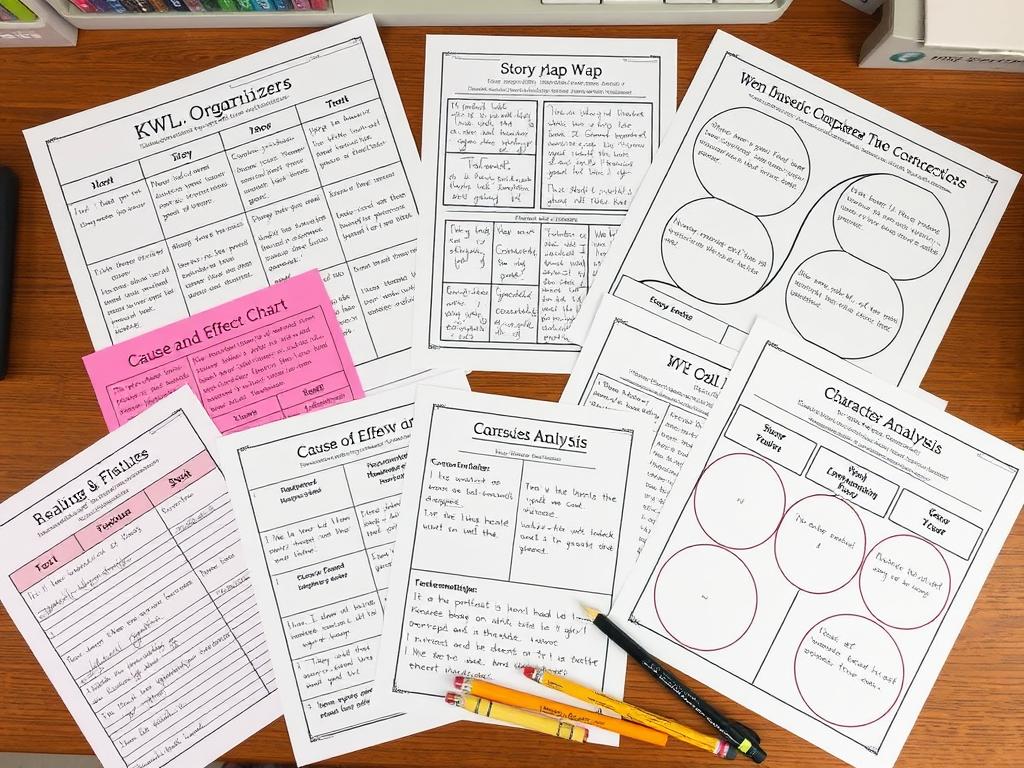
Graphic Organizers
Visual tools help students organize information and see relationships between ideas. Effective teacher skills include selecting appropriate organizers for different text structures and gradually releasing responsibility to students.
The significance of reading comprehension is magnified when these approaches are integrated across the curriculum. Teacher skills that transfer comprehension strategies to content areas like science, social studies, and math help students see reading as a tool for learning in all subjects.
Technology and the Significance of Reading Comprehension
Today’s digital landscape offers new opportunities and challenges for reading comprehension instruction. Developing teacher skills related to technology integration can enhance how students engage with and understand texts.
Digital Reading Tools
Various applications and platforms support comprehension development:
- E-readers with annotation features: Allow students to highlight, comment, and engage actively with text
- Text-to-speech technology: Supports struggling readers by providing audio support
- Interactive e-books: Embed multimedia elements that can enhance understanding
- Comprehension monitoring apps: Provide immediate feedback on understanding
Digital Literacy Skills
The significance of reading comprehension extends to digital contexts, requiring additional teacher skills:
- Evaluating online sources: Teaching students to assess credibility and reliability
- Navigating hypertext: Understanding non-linear reading paths
- Managing distractions: Maintaining focus in multimedia environments
- Synthesizing information: Integrating content from multiple digital sources
Research from the International Society for Technology in Education emphasizes that effective teacher skills now include helping students become critical consumers of digital content. The significance of reading comprehension in digital environments cannot be overlooked in today’s connected classrooms.
Enhance Your Digital Reading Instruction
Discover how to integrate technology effectively into your reading comprehension instruction with our specialized professional development resources.
Assessing and Monitoring Reading Comprehension Progress
Effective assessment is crucial for understanding student progress and planning targeted instruction. Teacher skills in this area include selecting appropriate assessment tools and using data to inform instruction.
Formative Assessment Strategies
Ongoing assessment provides immediate feedback to guide instruction:
- Think-pair-share: Students reflect on reading, discuss with a partner, then share with the class
- Exit tickets: Brief written responses that capture understanding at the end of a lesson
- Graphic organizers: Visual representations that reveal how students organize information
- Observation checklists: Structured notes on student reading behaviors
- Reading conferences: One-on-one discussions about text understanding
Summative Assessment Approaches
Periodic comprehensive assessments measure progress toward learning goals:
- Written responses: Extended answers that demonstrate depth of understanding
- Project-based assessments: Applications of reading to create products or solve problems
- Performance tasks: Authentic demonstrations of comprehension skills
- Standardized measures: Norm-referenced tests that provide comparative data
The significance of reading comprehension assessment lies in its ability to identify specific areas where students need support. Teacher skills in analyzing assessment data help create targeted interventions that address individual needs.
Key Point: Effective assessment is not just about measuring comprehension but also about understanding the specific strategies students use (or fail to use) when reading. This diagnostic information is essential for developing targeted interventions.
Supporting Struggling Readers: Interventions That Make a Difference
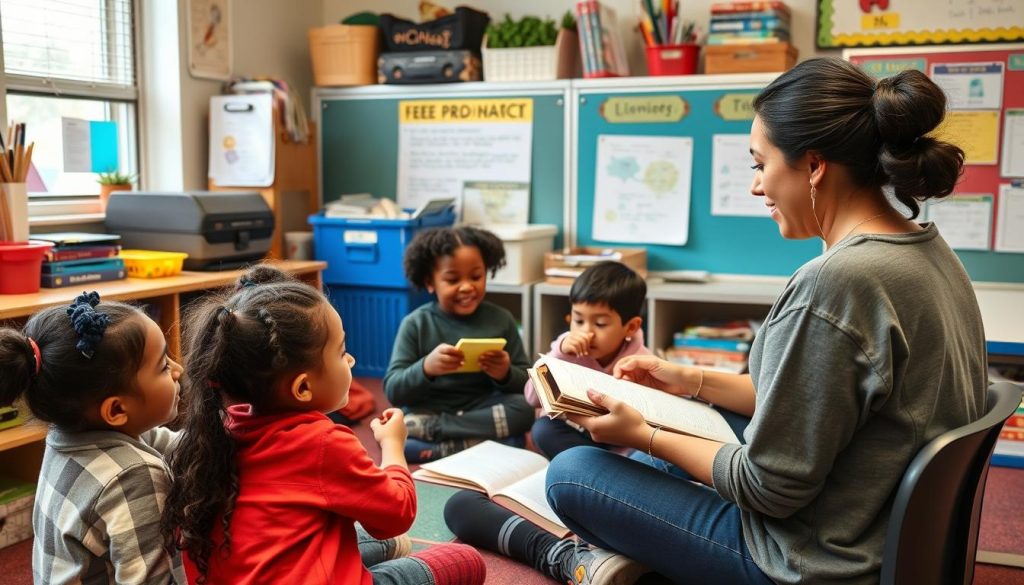
When students struggle with reading comprehension, targeted interventions are essential. Developing teacher skills to support these learners requires understanding the specific challenges they face and implementing evidence-based approaches.
Common Challenges
Struggling readers often experience difficulties with:
- Decoding words accurately and fluently
- Limited vocabulary knowledge
- Insufficient background knowledge
- Poor metacognitive awareness
- Difficulty connecting ideas within text
- Limited strategy use
Effective Intervention Approaches
Research-based interventions address these challenges through:
- Explicit strategy instruction: Direct teaching of comprehension strategies with modeling, guided practice, and independent application
- Scaffolded reading experiences: Providing appropriate support that gradually decreases as students become more proficient
- Vocabulary development: Targeted instruction in word meanings and word-learning strategies
- Building background knowledge: Providing experiences and information that help students connect to texts
- Fluency practice: Activities that develop automatic word recognition and appropriate pacing
The significance of reading comprehension interventions is most apparent when they are tailored to individual student needs. Teacher skills in diagnostic assessment help identify specific areas for intervention rather than applying one-size-fits-all approaches.
“The most effective interventions combine explicit instruction in comprehension strategies with opportunities for extensive reading of texts at appropriate levels of challenge.”
Specialized resources for reading comprehension can provide structured intervention protocols that address specific comprehension challenges. Developing these teacher skills requires ongoing professional learning and collaboration with colleagues.
Conclusion: Embracing the Significance of Reading Comprehension
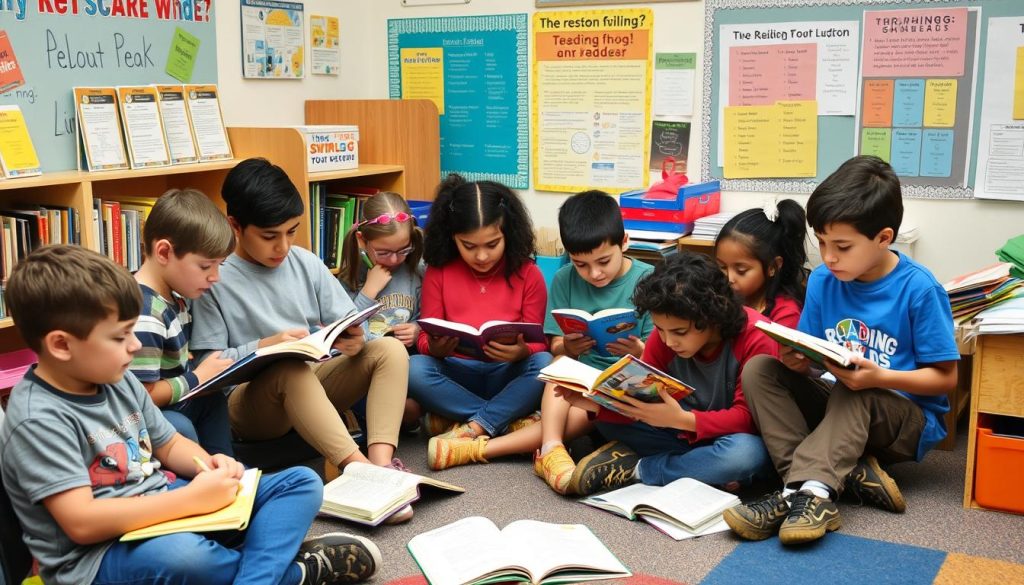
The significance of reading comprehension extends far beyond the language arts classroom—it is the foundation for learning across all content areas and throughout life. As educators, our teacher skills related to comprehension instruction directly impact students’ academic success and their ability to become lifelong learners.
By understanding the cognitive processes involved in comprehension, recognizing the differences between proficient and struggling readers, implementing research-based instructional strategies, and providing targeted interventions, we create classroom environments where all students can develop essential literacy skills.
The significance of reading comprehension in today’s information-rich world cannot be overstated. As texts become increasingly complex and diverse, our teacher skills must continue to evolve to meet the changing demands of literacy instruction. Through ongoing professional development and a commitment to evidence-based practices, we can ensure that all students develop the comprehension abilities they need for success in school and beyond.
Enhance Your Reading Instruction Today
Access comprehensive resources and professional development opportunities designed specifically for K12 teachers looking to improve reading comprehension instruction.


