
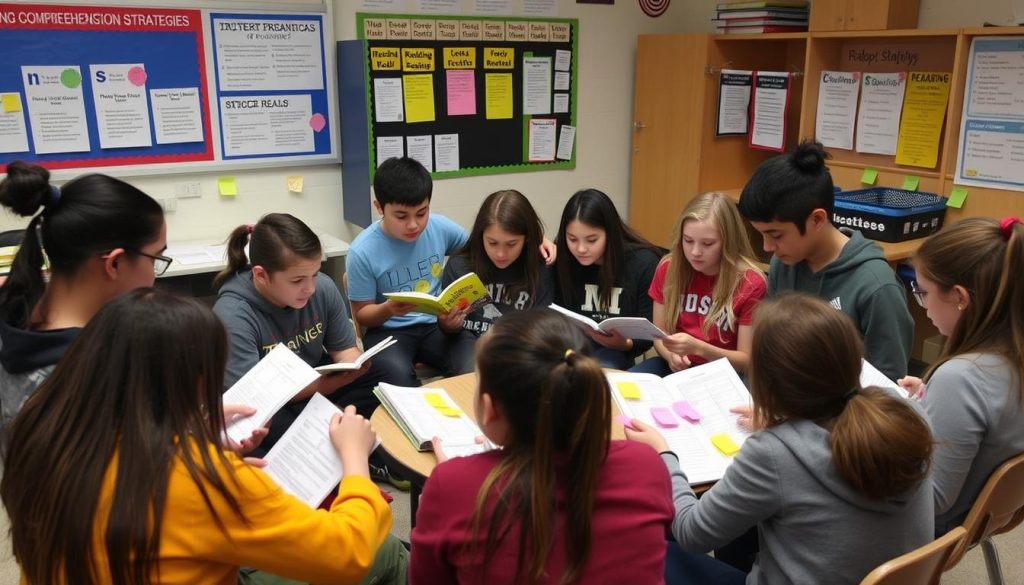
Background Knowledge: What Every Teacher Should Know About Its Impact
The foundation of reading comprehension begins long before a student decodes the first word on a page. Research consistently shows that background knowledge plays a critical role in how well students understand what they read. As teacher skills evolve, the importance of building this knowledge base becomes increasingly apparent.
A 2023 Harvard-led study found that students who received “knowledge-rich” reading instruction scored 18 percent higher on comprehension tests compared to peers taught with traditional skill-focused methods. This remarkable difference highlights why teacher skills must include strategies for activating and building background knowledge.
When students encounter new information, they naturally try to connect it to what they already know. Without these connections, comprehension suffers. Every teacher should know that even strong decoders may struggle with comprehension if they lack the relevant background knowledge for a text.
Practical Classroom Applications
Developing this crucial teacher skill means implementing specific strategies:
- Begin units with accessible entry points that connect to students’ existing knowledge
- Use concept maps to help students visualize connections between ideas
- Provide brief videos or readings that introduce key concepts before diving into more complex texts
- Create thematic units that build knowledge systematically across multiple texts
- Explicitly teach vocabulary in context rather than in isolation
By prioritizing background knowledge development, you’re not just teaching reading—you’re building the foundation for all future learning. This essential teacher skill transforms how students approach texts across all subject areas.
Enhance Your Reading Instruction Skills
Discover research-backed strategies for building student background knowledge with our comprehensive reading comprehension course.
Explicit Instruction: What Every Teacher Should Know About Direct Teaching
The debate between inquiry-based learning and direct instruction has raged for decades. However, when it comes to reading comprehension, the evidence strongly favors explicit instruction—especially for struggling readers. Developing this teacher skill is essential for ensuring all students have access to effective reading strategies.
A comprehensive 2023 review found that the most effective approach combines direct instruction with opportunities for guided and independent practice. This balanced method acknowledges that teacher skills must include both explicit teaching and facilitation of student-centered learning.
Every teacher should know that explicit instruction doesn’t mean endless lecturing. Rather, it involves clearly modeling reading strategies, thinking aloud to demonstrate comprehension processes, and gradually releasing responsibility to students as they develop proficiency.
Key Components of Effective Explicit Instruction
Teacher Modeling
Demonstrate reading strategies by thinking aloud while reading, showing students exactly how proficient readers make meaning from text. This teacher skill helps make invisible thinking processes visible to students.
Guided Practice
Provide scaffolded opportunities for students to apply strategies with your support. This crucial teacher skill involves offering just enough guidance while gradually increasing student independence.
Independent Application
Create structured opportunities for students to apply strategies independently, with clear expectations and accountability. This teacher skill ensures transfer of learning.
Feedback and Reflection
Offer specific feedback on strategy use and create opportunities for students to reflect on their comprehension. This essential teacher skill helps students internalize effective approaches.
Research consistently shows that students who receive explicit instruction in comprehension strategies outperform those who don’t. Every teacher should know that this approach is particularly beneficial for struggling readers, English language learners, and students from disadvantaged backgrounds.
By developing your teacher skills in explicit instruction, you provide all students with the tools they need to become strategic, thoughtful readers.
Comprehension Strategies: What Every Teacher Should Know About Teaching Understanding
Not all comprehension strategies are created equal. Research has identified specific approaches that consistently yield positive results. Developing these teacher skills allows you to focus your instructional time on high-impact strategies rather than those with limited effectiveness.
Studies show that teaching a small set of research-validated strategies is more effective than introducing too many approaches. Every teacher should know these core comprehension strategies that have strong empirical support:
Questioning
Teaching students to generate their own questions before, during, and after reading significantly improves comprehension. This teacher skill helps students engage actively with text rather than passively receiving information.
Monitoring
Students need explicit instruction in how to track their understanding and recognize when comprehension breaks down. This essential teacher skill helps readers become more metacognitive about their reading process.
Summarizing
The ability to identify key ideas and restate them concisely strengthens comprehension and retention. This fundamental teacher skill helps students distinguish between important and supporting details.
When teaching these strategies, remember that the goal isn’t just to use them during designated reading time. Every teacher should know that these approaches should eventually become automatic habits that students apply across all content areas.
The most effective teacher skills involve teaching these strategies through the gradual release model: first demonstrating, then guiding practice, and finally supporting independent application. Research shows that this approach leads to better strategy internalization and transfer.
Remember that developing these teacher skills takes time and consistent practice. Students need multiple opportunities to apply strategies with different texts and in various contexts before they become automatic.
Master Proven Comprehension Strategies
Access ready-to-use lesson plans and activities that develop essential comprehension skills in your students.
Text Complexity: What Every Teacher Should Know About Selecting Materials

Selecting texts of appropriate complexity is a critical teacher skill that directly impacts student growth. The “just right” text—not too easy, not too difficult—creates the optimal conditions for reading development. Every teacher should know how to evaluate and select texts that provide the right level of challenge for their students.
Research indicates that students need experience with texts at varying levels of complexity. As noted by cognitive scientist Daniel Willingham, “Memory is the residue of thought.” When texts are too easy, students don’t need to think deeply. When texts are too difficult, comprehension breaks down entirely.
The Three Dimensions of Text Complexity
Quantitative Measures
Lexile levels, word frequency, sentence length, and other measurable features provide objective data about text difficulty. This teacher skill involves understanding these metrics without becoming overly reliant on them.
Qualitative Factors
Text structure, language features, knowledge demands, and levels of meaning require teacher judgment. Developing this teacher skill means learning to analyze these less measurable but equally important aspects.
Reader and Task Considerations
Student motivation, background knowledge, and the purpose for reading all affect appropriate text selection. This essential teacher skill involves knowing your students as readers.
Every teacher should know that students need regular experience with texts at their instructional level (challenging but accessible with support) as well as some exposure to more complex texts. The key teacher skill is providing appropriate scaffolding when texts stretch beyond students’ independent reading levels.
Research shows that students benefit from reading a volume of texts at their independent level to build fluency and confidence, while also engaging with more challenging texts to develop new skills and vocabulary. Balancing these experiences requires sophisticated teacher skills and thoughtful planning.
By developing your ability to select appropriately complex texts and provide the right level of support, you create optimal conditions for reading growth. This essential teacher skill ensures that students are consistently working in their zone of proximal development.
Vocabulary Instruction: What Every Teacher Should Know About Word Learning
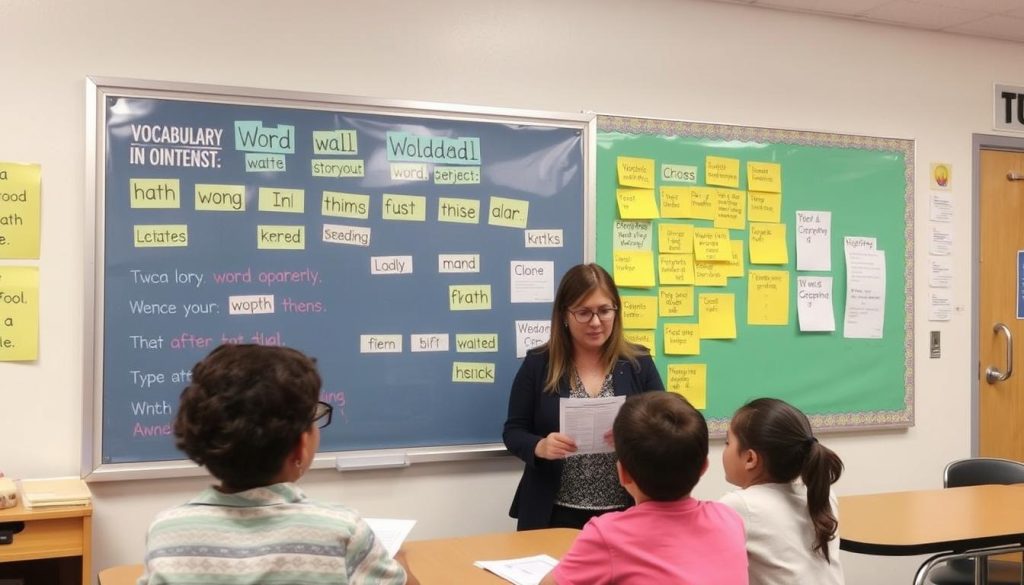
Vocabulary knowledge and reading comprehension are inextricably linked. Students with larger vocabularies typically comprehend text better, while wide reading builds vocabulary—creating a virtuous cycle. Every teacher should know that effective vocabulary instruction goes far beyond memorizing definitions.
Research indicates that students need multiple, meaningful exposures to words in various contexts. The most effective teacher skills for vocabulary development involve creating rich, engaging experiences with words rather than rote memorization.
Research-Based Principles for Vocabulary Instruction
- Teach fewer words more deeply rather than many words superficially
- Select high-utility academic vocabulary that appears across content areas
- Provide student-friendly definitions with examples and non-examples
- Create opportunities for students to use new words in speaking and writing
- Teach word-learning strategies alongside specific vocabulary
- Connect new words to known concepts and to students’ background knowledge
Every teacher should know that incidental vocabulary learning through wide reading is essential but insufficient on its own. Direct instruction in word meanings and word-learning strategies represents a crucial teacher skill for supporting reading comprehension.
Research by vocabulary expert Isabel Beck suggests categorizing words into three tiers to prioritize instruction. Tier 2 words—sophisticated words that appear across content areas—deserve the most instructional attention. Developing this teacher skill helps you make strategic decisions about which words to teach explicitly.
By strengthening your vocabulary instruction teacher skills, you provide students with essential tools for comprehending increasingly complex texts. Remember that vocabulary knowledge is cumulative—each word learned makes future word learning easier.
Transform Your Vocabulary Instruction
Access research-based vocabulary teaching strategies and ready-to-use activities for your classroom.
Assessment and Feedback: What Every Teacher Should Know About Monitoring Progress
Effective reading instruction depends on accurate, ongoing assessment that informs teaching decisions. Every teacher should know that assessment isn’t just about assigning grades—it’s about gathering actionable information that guides instruction. Developing these teacher skills is essential for responsive, targeted teaching.
As noted by education researcher Dylan Wiliam, “The only thing that matters about feedback is what students do with it.” This insight highlights why assessment and feedback represent critical teacher skills that directly impact student growth.
Types of Reading Assessments
Formative Assessments
These ongoing, low-stakes assessments provide immediate feedback to guide instruction. Developing this teacher skill helps you make real-time adjustments based on student needs.
- Think-alouds to reveal comprehension processes
- Exit tickets to check understanding
- Reading conferences to discuss strategies
- Observation notes during guided reading
Summative Assessments
These end-of-unit or periodic assessments evaluate learning outcomes. This teacher skill helps you measure progress toward standards and identify patterns across students.
- Comprehension tests with various question types
- Performance tasks requiring strategy application
- Projects demonstrating deep understanding
- Portfolio assessments showing growth over time
Every teacher should know that effective feedback is specific, timely, and actionable. Rather than simply marking answers right or wrong, develop the teacher skill of providing feedback that helps students understand what they did well and what specific steps they can take to improve.
Research shows that involving students in the assessment process strengthens metacognition and motivation. This essential teacher skill includes teaching students to self-assess their comprehension and set meaningful goals for improvement.
By developing sophisticated assessment and feedback teacher skills, you create a classroom culture where data drives instruction and students take ownership of their reading development. This approach ensures that every instructional minute is used effectively to address actual student needs.
Putting It All Together: The Reading Teacher’s Toolkit
Teaching reading effectively requires a complex set of teacher skills that develop over time through intentional practice and professional learning. The six areas we’ve explored—background knowledge, explicit instruction, comprehension strategies, text complexity, vocabulary instruction, and assessment—work together to create a comprehensive approach to literacy instruction.
Every teacher should know that there are no shortcuts or quick fixes in reading instruction. The research is clear: effective reading teachers develop expertise across multiple domains and apply this knowledge flexibly based on student needs.
As you refine your teacher skills in these six critical areas, remember that your impact extends far beyond the reading block. Strong reading instruction creates the foundation for success across all content areas and throughout students’ academic careers.
By committing to evidence-based practices and continuous improvement of your teacher skills, you provide your students with the most valuable gift: the ability to read with understanding, purpose, and joy.
Elevate Your Reading Instruction
Access comprehensive professional development resources designed specifically for K-12 reading teachers.


