

The Evolution of Supporting Student Reading Comprehension
The evolution of reading comprehension instruction has moved from passive to active learning approaches
The landscape of reading instruction has transformed dramatically over the past several decades. In the early days, supporting student reading comprehension often meant asking basic recall questions after students read a passage. The focus was primarily on testing rather than teaching comprehension. Teacher skills were limited to checking whether students could remember what they read, with little emphasis on deeper understanding.
By the 1980s and 1990s, research began to show that comprehension was not just a natural result of decoding practice but a complex set of skills that required explicit instruction. This shifted how we approached supporting student reading comprehension, with teacher skills expanding to include modeling of thinking processes. The development of specific comprehension strategies became a focal point of literacy instruction.
Today, we recognize reading comprehension as a multifaceted process that integrates various cognitive skills. Modern approaches to supporting student reading comprehension acknowledge the importance of background knowledge, vocabulary, and metacognitive awareness. Teacher skills now include facilitating discussions that deepen understanding, teaching students to monitor their own comprehension, and differentiating instruction to meet diverse learning needs.
This evolution reflects our growing understanding of how students learn to comprehend text and the complex interplay between various factors that influence reading success. As our knowledge has expanded, so too have the teacher skills necessary to effectively support all students in developing strong comprehension abilities.
Research-Based Strategies for Supporting Student Reading Comprehension
Research has consistently identified several key strategies that are effective in supporting student reading comprehension. These evidence-based approaches have stood the test of time and continue to form the foundation of strong literacy instruction. Developing these teacher skills is essential for anyone working to improve student reading outcomes.
Activating Prior Knowledge
When students connect new information to what they already know, comprehension improves significantly. Teacher skills in this area include asking prompting questions that help students access relevant background knowledge before reading. Research from The Journal of Educational Research shows that students who actively engage with their prior knowledge before reading demonstrate better comprehension outcomes.
Teaching Text Structure
Understanding how texts are organized helps students navigate and comprehend them more effectively. Teacher skills should include explicit instruction in recognizing patterns like cause-effect, problem-solution, and compare-contrast. When students can identify these structures, they can better anticipate information and organize their understanding of what they read.
Questioning Strategies
Effective questioning before, during, and after reading promotes deeper engagement with text. Teacher skills in this area involve modeling different types of questions and teaching students to generate their own questions. This strategy helps students monitor their understanding and engage more actively with the material.
Visualization
Creating mental images while reading enhances comprehension and retention. Teacher skills for teaching visualization include modeling the process of creating mental pictures and providing opportunities for students to share their visualizations. This strategy is particularly helpful for narrative texts but can be adapted for informational reading as well.
Summarization
Learning to identify main ideas and supporting details helps students distill essential information. Teacher skills for teaching summarization include modeling the process of determining importance and condensing information. This strategy builds both comprehension and critical thinking skills.
Metacognitive Monitoring
Teaching students to monitor their own understanding is crucial for independent reading success. Teacher skills in this area include modeling “think-alouds” that demonstrate how good readers check their comprehension and apply fix-up strategies when understanding breaks down.
Enhance Your Reading Comprehension Instruction
Discover research-based strategies and ready-to-use resources for supporting student reading comprehension in your classroom.
Classroom Implementation: Supporting Student Reading Comprehension in Practice
Translating research into effective classroom practice requires specific teacher skills and thoughtful implementation. Here’s how educators are successfully supporting student reading comprehension across different grade levels:
Before Reading Strategies
Setting the stage for successful comprehension begins before students start reading. Effective teacher skills in this phase include:
- Previewing text features and making predictions about content
- Establishing clear purposes for reading that guide student focus
- Pre-teaching essential vocabulary that may impede comprehension
- Using anticipation guides to activate thinking about key concepts
- Building necessary background knowledge for unfamiliar topics
During Reading Strategies
Supporting student reading comprehension while students engage with text requires different teacher skills:
- Modeling think-alouds that demonstrate comprehension monitoring
- Teaching annotation strategies appropriate to grade level
- Guiding students to ask questions as they read
- Implementing partner reading with structured discussion prompts
- Using graphic organizers to capture key information and connections
After Reading Strategies
Consolidating understanding after reading helps students process and retain information. Key teacher skills include:
- Facilitating text-based discussions that deepen understanding
- Guiding students to summarize main ideas and supporting details
- Connecting reading to writing through response activities
- Helping students evaluate and reflect on text content
- Supporting students in making connections across texts
“The most effective reading comprehension instruction happens when teachers explicitly model strategies, provide guided practice, and gradually release responsibility to students as they develop independence.”
Differentiation: Supporting Student Reading Comprehension for All Learners
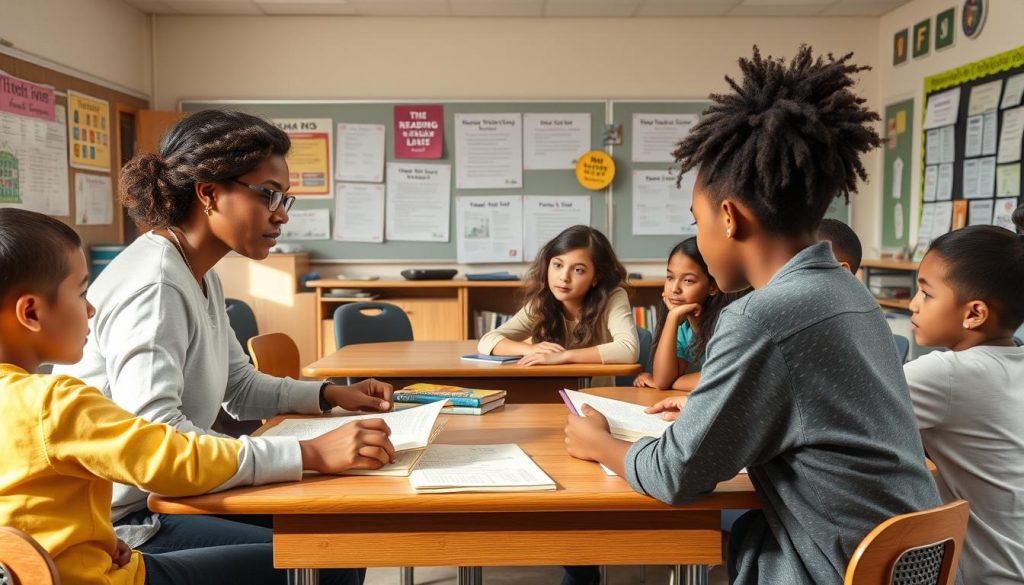
One of the most important teacher skills in today’s diverse classrooms is the ability to differentiate instruction to meet the needs of all learners. Supporting student reading comprehension requires recognizing that students come to the text with varying backgrounds, abilities, and learning needs.
Scaffolding for Struggling Readers
Students who struggle with reading comprehension benefit from additional supports. Effective teacher skills for supporting these learners include:
- Breaking complex texts into manageable chunks
- Providing graphic organizers that structure thinking
- Using text-to-speech technology when appropriate
- Pre-teaching vocabulary and concepts
- Implementing partner reading with more proficient peers
Challenging Advanced Readers
Students who demonstrate strong comprehension skills need opportunities to deepen their understanding. Teacher skills for supporting these learners include:
- Introducing more complex text structures and themes
- Encouraging critical analysis and evaluation of texts
- Guiding comparative analysis across multiple texts
- Facilitating student-led discussions about deeper meanings
- Promoting creative responses that extend thinking
Supporting English Language Learners
Students learning English while also developing reading comprehension require specialized support. Important teacher skills include:
- Connecting concepts to visual representations
- Building background knowledge for culturally unfamiliar contexts
- Explicitly teaching academic language and text structures
- Allowing for primary language support when available
- Providing multiple exposures to key vocabulary and concepts
Differentiation Tip: Use the “gradual release of responsibility” model (I do, we do, you do) with varying levels of support for different learners. This allows you to provide more scaffolding for struggling readers while giving advanced readers more independence.
Technology Integration in Supporting Student Reading Comprehension
Modern technology offers powerful tools for supporting student reading comprehension. Developing teacher skills in technology integration can enhance instruction and provide new opportunities for student engagement with text.
Digital Text Tools
Digital platforms offer features that can enhance the reading experience. Teacher skills for leveraging these tools include:
- Using text-to-speech features for students who benefit from audio support
- Teaching digital annotation strategies for active reading
- Leveraging built-in dictionaries and reference tools
- Adjusting text size, spacing, and contrast for accessibility
- Using multimedia supports that enhance understanding
Interactive Applications
Many applications are designed specifically to support comprehension development. Valuable teacher skills include:
- Selecting apps that align with specific comprehension strategies
- Using digital graphic organizers for collaborative thinking
- Implementing virtual reading response activities
- Facilitating online literature circles and discussions
- Using adaptive programs that adjust to student needs
Data-Informed Instruction
Technology can provide valuable insights into student progress. Important teacher skills include:
- Analyzing digital assessment data to identify comprehension gaps
- Using reading analytics to track student engagement with text
- Implementing digital formative assessments to guide instruction
- Creating personalized reading paths based on student data
- Monitoring progress to adjust support levels appropriately
Tech Integration Tip: When introducing new digital tools for comprehension, focus first on how they support specific strategies rather than on the technology itself. This helps students see technology as a means to better understanding rather than an end in itself.
Enhance Your Digital Literacy Instruction
Discover how to effectively integrate technology into your reading comprehension instruction with our curated resources for K-12 teachers.
Assessment Approaches for Supporting Student Reading Comprehension
Effective assessment is crucial for supporting student reading comprehension. It provides insights into student understanding and guides instructional decisions. Developing strong teacher skills in assessment helps ensure that all students receive the support they need.

Formative Assessment Strategies
Ongoing assessment during instruction provides immediate feedback for adjusting teaching. Key teacher skills include:
- Implementing think-pair-share activities to gauge understanding
- Using exit tickets to check comprehension of key concepts
- Conducting reading conferences to assess strategy application
- Analyzing student annotations for evidence of thinking
- Using digital tools for quick comprehension checks
Summative Assessment Approaches
Evaluating comprehension after instruction helps measure progress toward goals. Important teacher skills include:
- Designing assessments that measure multiple aspects of comprehension
- Creating authentic tasks that reflect real reading purposes
- Using rubrics that clearly define comprehension expectations
- Balancing multiple-choice items with constructed responses
- Providing opportunities for students to demonstrate understanding in varied ways
Student Self-Assessment
Teaching students to evaluate their own comprehension builds metacognition. Valuable teacher skills include:
- Modeling reflection on comprehension processes
- Teaching students to use comprehension checklists
- Guiding students to set goals for comprehension improvement
- Implementing reading logs that include reflection prompts
- Facilitating peer feedback on comprehension strategies
“Assessment should not merely measure comprehension but should itself be an opportunity for students to deepen their understanding of text.”
Professional Development for Supporting Student Reading Comprehension
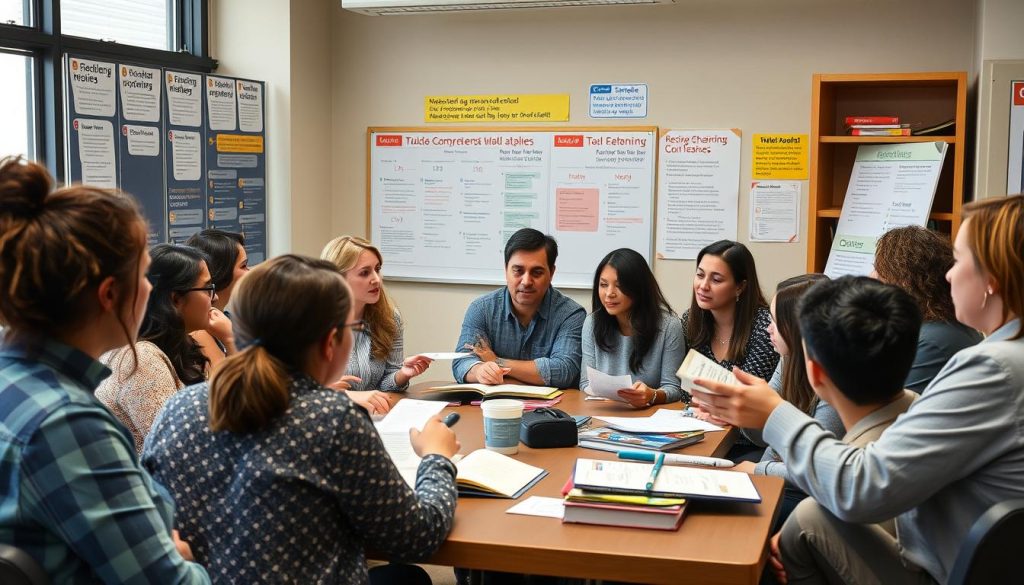
Continuous learning is essential for teachers to effectively support student reading comprehension. As research evolves and new strategies emerge, ongoing professional development helps educators refine their teacher skills and stay current with best practices.
Collaborative Learning Communities
Working with colleagues enhances professional growth. Effective approaches include:
- Participating in book studies focused on comprehension research
- Engaging in lesson study to refine comprehension instruction
- Analyzing student work collaboratively to identify patterns
- Observing colleagues and providing feedback on strategy instruction
- Sharing resources and successful practices across grade levels
Research-Based Learning
Staying current with research helps inform instructional decisions. Important activities include:
- Reading professional journals and publications on literacy
- Attending conferences focused on reading comprehension
- Participating in webinars with literacy experts
- Engaging with research summaries and practical applications
- Connecting with university partners for current research
Reflection and Refinement
Ongoing reflection on practice leads to continuous improvement. Valuable approaches include:
- Maintaining a professional journal about comprehension instruction
- Video recording lessons for self-analysis of teaching strategies
- Gathering and analyzing student feedback on comprehension activities
- Setting personal goals for developing specific teacher skills
- Creating action research projects to test new approaches
Enhance Your Reading Instruction Skills
Access professional development resources designed specifically for teachers looking to strengthen their reading comprehension instruction.
Family Engagement in Supporting Student Reading Comprehension
Partnering with families extends comprehension support beyond the classroom. Developing teacher skills for family engagement helps create a consistent approach to supporting student reading comprehension across settings.
Communication Strategies
Effective communication helps families understand how to support reading at home. Important teacher skills include:
- Creating family-friendly explanations of comprehension strategies
- Sharing specific prompts families can use during reading
- Providing regular updates on comprehension focus areas
- Offering video demonstrations of strategy application
- Translating materials for multilingual families
Home Reading Support
Practical tools help families engage in meaningful reading experiences. Valuable teacher skills include:
- Curating appropriate texts for home reading
- Creating simple graphic organizers for family discussions
- Developing question stems families can use during reading
- Suggesting ways to connect reading to family experiences
- Providing guidance on supporting struggling readers
Family Workshops and Events
Interactive experiences help families develop comprehension support skills. Effective approaches include:
- Hosting family literacy nights focused on comprehension strategies
- Conducting workshops that model supportive reading interactions
- Creating take-home kits with books and comprehension activities
- Organizing book clubs that include both students and families
- Facilitating virtual sessions for families unable to attend in person
Important Reminder: When engaging families in supporting reading comprehension, acknowledge and respect the literacy practices already present in homes. Build on these foundations rather than assuming families need to adopt entirely new approaches.
Future Directions in Supporting Student Reading Comprehension
As we look ahead, several emerging trends are shaping the future of supporting student reading comprehension. Staying aware of these developments helps educators prepare for evolving approaches to literacy instruction.

Science of Reading Applications
The growing influence of reading science is reshaping comprehension instruction. Important developments include:
- Integration of structured literacy principles into comprehension instruction
- Greater emphasis on background knowledge development
- More explicit instruction in inference-making processes
- Increased attention to vocabulary depth and breadth
- Refined understanding of text complexity factors
Technology Innovations
Emerging technologies are creating new possibilities for comprehension support. Notable trends include:
- Adaptive learning systems that personalize comprehension instruction
- Augmented reality applications that enhance text engagement
- AI-powered tools that provide targeted comprehension feedback
- Virtual reality environments for immersive text experiences
- Learning analytics that provide deeper insights into reading processes
Equity-Focused Approaches
Growing attention to equity is influencing comprehension instruction. Important shifts include:
- Culturally responsive text selection and discussion approaches
- Universal Design for Learning principles in comprehension instruction
- Attention to diverse text types that reflect varied experiences
- Critical literacy approaches that examine power in texts
- Multilingual supports that leverage all language resources
“The future of reading comprehension instruction lies not in choosing between traditional and innovative approaches, but in thoughtfully integrating evidence-based practices with new possibilities.”
Conclusion: The Ongoing Journey of Supporting Student Reading Comprehension
The field of supporting student reading comprehension has come a long way from the days of simple recall questions and passive reading assignments. Today’s approaches recognize comprehension as a complex, active process that requires explicit instruction, thoughtful scaffolding, and ongoing assessment. Teacher skills have evolved to include a sophisticated understanding of comprehension strategies, differentiation techniques, and technology integration.
As we continue this journey, several principles remain constant. Effective comprehension instruction is explicit, systematic, and responsive to student needs. It balances direct instruction with opportunities for authentic application. It recognizes the crucial role of background knowledge, vocabulary, and metacognitive awareness. And perhaps most importantly, it empowers students to become active, strategic readers who can navigate increasingly complex texts with confidence.
The progress we’ve made in supporting student reading comprehension represents the collective wisdom and dedication of researchers, educators, and students themselves. By continuing to refine our teacher skills, staying current with research, and remaining responsive to student needs, we can ensure that all students develop the comprehension abilities they need for success in school and beyond.
Continue Your Professional Learning Journey
Access comprehensive resources for supporting student reading comprehension in your classroom.
Frequently Asked Questions About Supporting Student Reading Comprehension
What are the most essential teacher skills for supporting reading comprehension?
The most essential teacher skills include explicit strategy instruction, effective questioning techniques, knowledge of text structures, ability to activate and build background knowledge, differentiation for diverse learners, and formative assessment expertise. These core skills enable teachers to support students at all stages of the comprehension process.
How can I balance comprehension instruction with other literacy components?
Effective literacy instruction integrates all components rather than treating them as separate entities. Look for opportunities to address comprehension alongside phonics, fluency, and vocabulary. For example, during fluency practice, include questions that focus on meaning; when teaching vocabulary, discuss how word meanings contribute to overall text understanding.
What should I do when students can decode but don’t understand what they read?
This common situation often indicates a need for explicit comprehension strategy instruction, vocabulary development, or background knowledge building. Assess which specific aspect of comprehension is challenging the student. Then provide targeted instruction in relevant strategies, pre-teach essential vocabulary, build necessary background knowledge, or address text complexity issues as needed.
How can I support comprehension for my English language learners?
Supporting English language learners requires attention to language development alongside comprehension strategies. Key approaches include building background knowledge, pre-teaching vocabulary, using visual supports, providing opportunities for discussion, allowing primary language support when possible, and explicitly teaching academic language structures found in texts.
What are the most effective ways to assess reading comprehension?
Effective assessment of reading comprehension uses multiple approaches to gain a complete picture of student understanding. Balance formal and informal assessments, include both literal and inferential questions, use authentic tasks that reflect real reading purposes, observe strategy application during reading, and incorporate student self-assessment to develop metacognition.


