
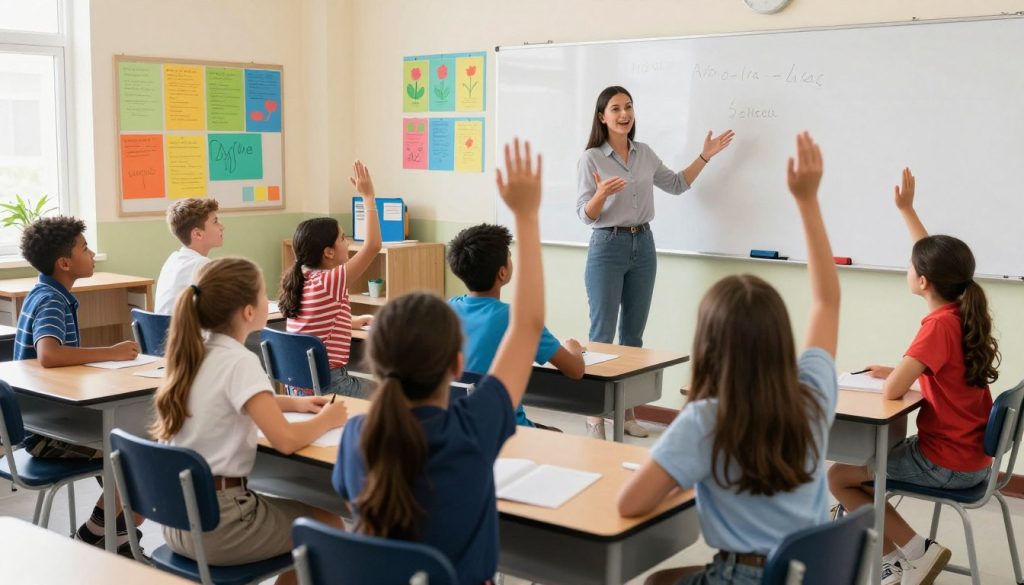
In this comprehensive guide, we’ll explore 20 practical strategies that generate lasting engagement in K-12 classrooms. These approaches are grounded in educational research and classroom experience, designed to help you develop the essential teacher skills needed to captivate students’ attention and deepen their learning experience.
Effective engagement strategies transform passive listeners into active participants
Why Increasing Student Engagement Strategies Matter
Student engagement is far more than just keeping students busy. It’s about creating meaningful connections to learning that foster deeper understanding and retention. According to a 2021 study published in The Journal of Educational Research, higher levels of student engagement correlate directly with improved academic performance, increased attendance, and better behavior outcomes.
Developing effective teacher skills for increasing engagement is particularly crucial in today’s educational landscape, where students face more distractions than ever before. When students are genuinely engaged, they:
- Retain information more effectively
- Develop stronger critical thinking abilities
- Take greater ownership of their learning
- Show improved classroom behavior
- Experience increased academic confidence
The challenge for educators is finding practical, sustainable approaches that work with diverse student populations and across different subject areas. The increasing student engagement strategies we’ll explore are designed to be adaptable to your specific classroom context while building on your existing teacher skills.
Enhance Your Teacher Skills
Looking to earn professional development credits while mastering engagement strategies? Explore our teacher-focused resources and courses.
Increasing Student Engagement Strategies Through Classroom Environment
The physical and emotional environment of your classroom sets the foundation for student engagement. By intentionally designing your space and establishing the right atmosphere, you can create conditions where engagement flourishes naturally.
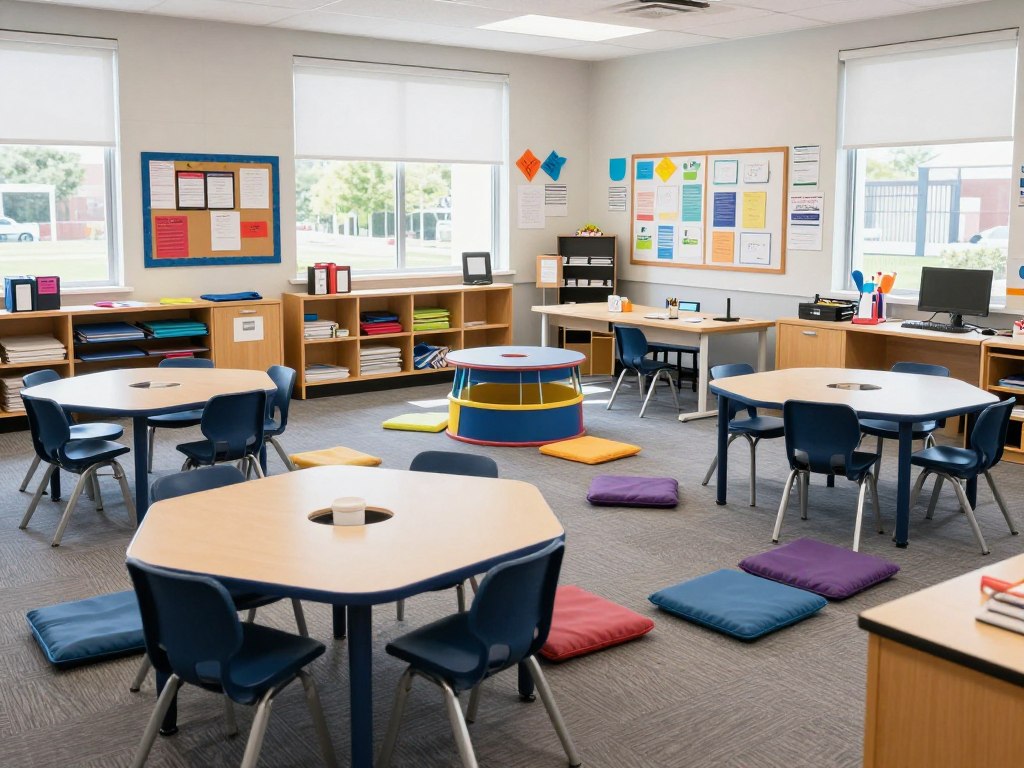
Flexible classroom arrangements support different learning activities and student preferences
1. Create a Safe and Supportive Space
Students engage more readily when they feel emotionally safe. This requires developing teacher skills that foster trust and mutual respect. Establish clear expectations for how students interact with each other, celebrate diverse perspectives, and respond constructively to mistakes.
Example: Start the year by collaboratively creating classroom agreements. Instead of simply posting rules, involve students in discussing what makes them feel safe and respected, then document these as shared commitments that everyone (including you) agrees to uphold.
2. Design for Collaboration
Physical arrangement significantly impacts engagement. Organize your classroom to facilitate both independent work and collaboration, allowing for quick transitions between different learning modes.
Example: Create easily movable desk arrangements that can shift from pairs to small groups to whole-class configurations. Designate specific areas for different activities, such as a “collaboration corner” with shared materials and whiteboard space.
3. Make Learning Visible
When students can see their progress and the relevance of what they’re learning, engagement increases. Use visual displays that highlight learning goals, success criteria, and student work.
Example: Create a “learning journey” wall where students track their progress toward key standards. Include exemplars of quality work and reflection prompts that help students connect current learning to past and future topics.
4. Incorporate Student Voice
Giving students a say in classroom decisions develops ownership and investment in learning. This strategy leverages teacher skills in facilitation and democratic classroom management.
Example: Hold regular class meetings where students can propose changes to classroom procedures, suggest topics for deeper exploration, or provide feedback on recent lessons. Implement their ideas whenever possible and explain thoughtfully when certain suggestions can’t be adopted.
“The most effective classrooms are those where students feel they have a voice and a choice in their learning journey.”
Increasing Student Engagement Strategies Through Instructional Approaches
How you design and deliver instruction has a profound impact on student engagement. These strategies focus on the teacher skills needed to structure learning experiences that naturally capture and maintain student interest.
5. Begin With Engaging Hooks
The first few minutes of a lesson are crucial for setting the tone and capturing attention. Develop teacher skills in creating compelling introductions that spark curiosity and establish relevance.
Example: Before introducing a unit on ecosystems, show students a mysterious image of a rare symbiotic relationship between two species. Ask them to hypothesize what’s happening and why this relationship might exist. This creates immediate investment in discovering the answer.
6. Chunk Content and Vary Activities
Student attention spans are limited. Break longer lessons into manageable segments and vary the types of activities to maintain engagement.
Example: In a 45-minute lesson, plan 3-4 different activities that address the same learning goal through different modalities. You might start with a brief direct instruction segment (5-7 minutes), move to paired practice (10 minutes), then independent application (10 minutes), and conclude with whole-class discussion and reflection (10 minutes).
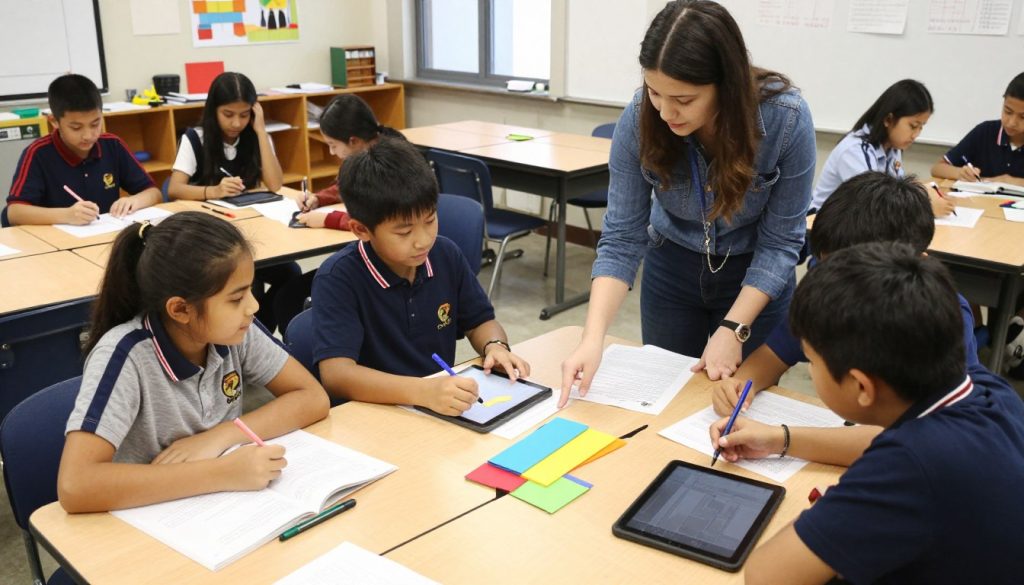
Varying activities and grouping strategies keeps students mentally active and engaged
7. Incorporate Movement
Physical movement enhances cognitive function and helps maintain attention. Integrating movement into lessons is an essential teacher skill for increasing engagement.
Example: Use “stand and share” activities where students move to different areas of the room based on their responses to questions. For younger students, incorporate academic content into simple movements, like jumping while skip-counting or acting out vocabulary words.
8. Make Learning Visible Through Thinking Routines
Thinking routines provide structured ways for students to engage with content while making their thinking visible to themselves, peers, and teachers.
Example: Use the “See-Think-Wonder” routine when introducing new content. Students first note what they observe (see), then what they think about those observations, and finally what questions they still have (wonder). This engages students in active processing rather than passive reception.
Ready to Transform Student Engagement?
Our comprehensive course on increasing student engagement provides practical strategies you can implement immediately in your classroom.
Increasing Student Engagement Strategies Through Student Ownership
When students take ownership of their learning, engagement naturally follows. These strategies focus on developing teacher skills that empower students and foster autonomy.
9. Provide Meaningful Choices
Offering students choices within structured parameters increases motivation and engagement. This requires teacher skills in designing different pathways to the same learning goals.
Example: For a project on historical figures, allow students to choose both the person they study and how they’ll demonstrate their learning—perhaps through a written biography, video documentary, illustrated timeline, or dramatic monologue. Provide clear criteria that apply regardless of the format chosen.
10. Implement Student-Led Discussions
Shifting from teacher-led to student-led discussions develops student voice and increases investment in the conversation. This approach builds teacher skills in facilitation rather than direct instruction.
Example: Teach students discussion protocols like Socratic Seminars or Philosophical Chairs, then gradually release responsibility to them. Provide question stems and feedback frameworks that help students maintain productive discussions without teacher intervention.
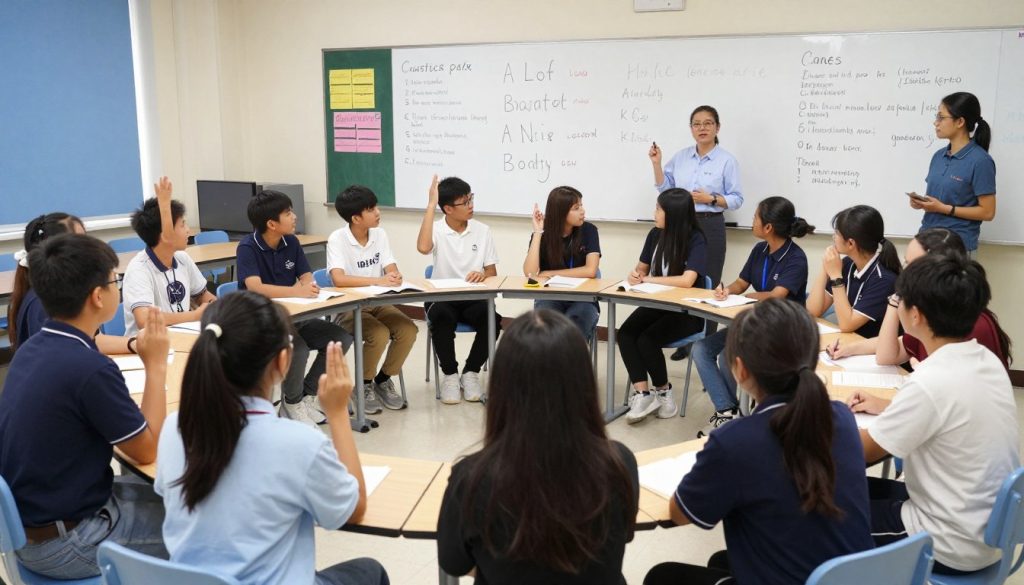
Student-led discussions shift ownership of learning from teacher to students
11. Teach Self-Assessment Skills
When students can accurately assess their own progress, they become more engaged in improving. Developing teacher skills in guiding self-assessment is crucial for this strategy.
Example: Provide clear rubrics and exemplars before students begin work. Teach them to compare their work-in-progress to these standards and identify specific improvements they can make. Schedule regular reflection time where students document their progress and set goals for next steps.
12. Connect to Real-World Applications
Students engage more deeply when they see how classroom learning applies to real-world contexts. This strategy builds on teacher skills in making authentic connections.
Example: When teaching data analysis, use actual statistics from issues students care about (climate change, social media usage, sports performance). Have students analyze the data and develop recommendations for stakeholders based on their findings.
Implementing these student ownership strategies requires patience and consistent practice. As you develop these teacher skills, you’ll notice students becoming more self-directed and intrinsically motivated in their learning.
Increasing Student Engagement Strategies Through Technology
When used thoughtfully, technology can significantly enhance student engagement. These strategies focus on leveraging digital tools to create interactive, personalized learning experiences.
13. Use Digital Response Systems
Digital response tools allow all students to participate simultaneously, increasing engagement through active responding. This builds teacher skills in formative assessment and responsive teaching.
Example: Use platforms like Kahoot, Mentimeter, or Google Forms to gather responses from all students during a lesson. Display aggregate results to spark discussion about patterns in thinking or misconceptions.
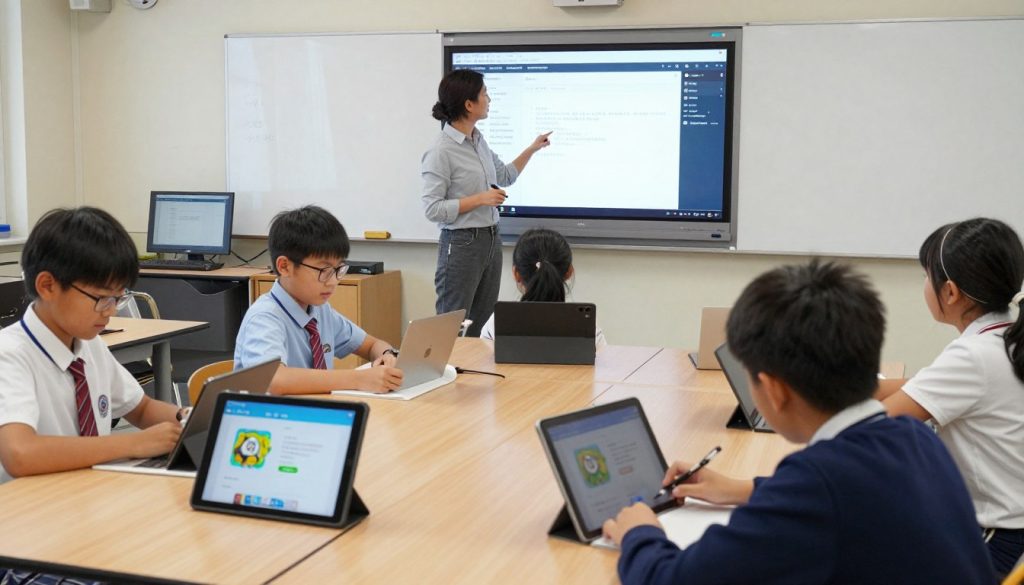
Interactive technology allows for immediate feedback and personalized learning paths
14. Create Digital Collaboration Opportunities
Online collaboration tools extend learning beyond the classroom walls and create new opportunities for engagement. This strategy develops teacher skills in digital facilitation.
Example: Use shared documents or platforms like Padlet where students can contribute ideas, comment on each other’s work, and build collective knowledge. Establish clear norms for digital collaboration that promote substantive, respectful interaction.
15. Implement Gamification Elements
Gamification applies game design principles to learning activities, increasing motivation through challenges, feedback, and recognition. This approach builds teacher skills in designing engaging learning systems.
Example: Create a class “quest” system where students earn points or badges for mastering skills, helping peers, or demonstrating growth mindset behaviors. Use leaderboards to track class-wide progress toward shared goals rather than individual competition.
16. Leverage Multimedia Creation
When students create digital content, they engage more deeply with the material and develop important communication skills. This strategy enhances teacher skills in guiding creative production.
Example: Instead of traditional reports, have students create podcasts, videos, or digital stories that demonstrate their understanding. Teach specific multimedia skills alongside content knowledge, and provide opportunities for students to share their creations with authentic audiences.
Technology Tip: Focus on tools that make students active creators rather than passive consumers. The most engaging technologies are those that empower students to produce, analyze, or collaborate, not just absorb information.
Develop Your Digital Teaching Skills
Looking for professional development that focuses on technology integration for engagement? Our courses can help you earn credits while mastering digital teaching strategies.
Increasing Student Engagement Strategies Through Assessment
Assessment doesn’t have to be a disengaging experience of tests and grades. When designed thoughtfully, assessment can actually increase student engagement by providing meaningful feedback and opportunities for growth.
17. Implement Low-Stakes Formative Assessment
Frequent, low-pressure checks for understanding keep students engaged and help them monitor their progress. This strategy builds teacher skills in ongoing assessment.
Example: Use exit tickets, quick writes, or visual signals (thumbs up/down) to gauge understanding throughout a lesson. Make these formative checks playful and stress-free, emphasizing that they help you adjust instruction rather than evaluate performance.
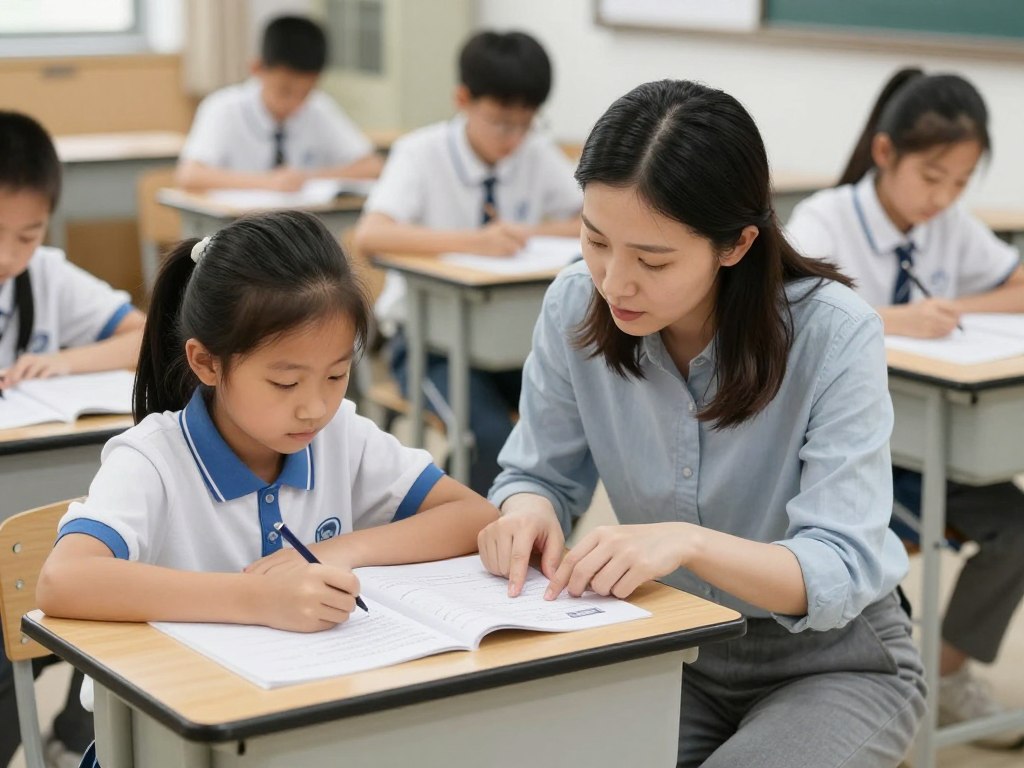
Personalized feedback helps students understand their progress and next steps
18. Design Authentic Assessments
When assessments mirror real-world tasks and audiences, student engagement increases significantly. This approach enhances teacher skills in designing meaningful performance tasks.
Example: Instead of a traditional test on government systems, have students draft policy proposals for local issues, present them to community leaders, and respond to questions. Provide clear criteria that assess both content knowledge and communication skills.
19. Use Peer Feedback Protocols
Structured peer feedback increases engagement by creating accountability to peers and providing diverse perspectives. This strategy develops teacher skills in facilitating constructive peer interactions.
Example: Teach students specific feedback protocols, such as “Two Stars and a Wish” or “I Notice/I Wonder.” Provide sentence stems and model high-quality feedback before asking students to practice with partners or small groups.
20. Celebrate Growth and Improvement
Recognizing progress rather than just achievement helps maintain engagement for all students. This approach builds teacher skills in growth-oriented assessment.
Example: Create visual displays where students track their improvement on specific skills over time. Hold regular reflection conferences where students identify their growth and set goals for continued improvement.
“Assessment should not merely be done to students; it should also be done with students, and ultimately, by students.”
Implementing Increasing Student Engagement Strategies Effectively
Knowing engagement strategies is one thing; implementing them successfully is another. These practical tips will help you integrate these approaches into your teaching practice.
Start Small
Don’t try to implement all 20 strategies at once. Choose 1-2 that align with your current teaching context and student needs. As these become routine, gradually add more strategies to your repertoire.
Be Consistent
Students respond best to consistent routines. Once you introduce an engagement strategy, use it regularly so students become familiar with the process and can focus on content rather than procedures.
Reflect and Adjust
Pay attention to how students respond to different strategies. Some approaches will work better with certain groups or content areas. Use these observations to refine your implementation.
Seek Feedback
Ask students directly about what helps them engage. Even young learners can provide valuable insights about what makes learning interesting and accessible for them.

Regular reflection helps teachers refine their engagement strategies for maximum impact
Remember that developing effective teacher skills for increasing student engagement is an ongoing process. Each classroom and group of students is unique, requiring thoughtful adaptation of these strategies to your specific context.
Take Your Engagement Strategies to the Next Level
Our comprehensive course provides in-depth guidance on implementing these strategies in your specific grade level and subject area.
Overcoming Common Challenges in Increasing Student Engagement
Even with the best strategies, teachers often face obstacles when trying to increase student engagement. Here’s how to address some common challenges:
How do I engage students with wide-ranging ability levels?
Differentiation is a critical teacher skill for engaging diverse learners. Design activities with multiple entry points and extensions. For example, in a writing task, provide sentence starters for some students while challenging others to incorporate advanced vocabulary or complex sentence structures. Use flexible grouping to allow students to work at appropriate levels while still contributing to shared goals.
What about students who are reluctant to participate?
Build participation gradually, starting with low-risk activities like anonymous responses or small group discussions before moving to whole-class sharing. Develop teacher skills in creating psychological safety by acknowledging all contributions positively and normalizing mistakes as part of learning. For particularly hesitant students, provide advance notice when you’ll be calling on them, or allow them to prepare responses in writing first.
How do I maintain engagement when external pressures like testing loom large?
Frame test preparation itself as a meaningful challenge, helping students see how developing strong academic skills serves their long-term goals. Use engaging review formats like games, peer teaching, or real-world applications of test content. This requires teacher skills in making even standardized content relevant and interesting.
What if I don’t have access to much technology?
Many engagement strategies require minimal or no technology. Focus on discussion techniques, movement-based activities, hands-on learning, and student choice. When technology is limited, use station rotation models where small groups take turns with available devices while others engage in analog activities.
Addressing these challenges requires flexibility and persistence. As you develop your teacher skills in implementing engagement strategies, you’ll become more adept at adapting approaches to fit your specific classroom context and student needs.
Conclusion: The Lasting Impact of Effective Engagement Strategies
Implementing increasing student engagement strategies is more than just making learning fun—it’s about creating the conditions where deep, meaningful learning can flourish. When students are genuinely engaged, they develop not only academic knowledge but also the critical thinking skills, self-direction, and love of learning that will serve them throughout their lives.
The 20 strategies we’ve explored represent a comprehensive toolkit for enhancing engagement in your classroom. By thoughtfully selecting and implementing approaches that match your teaching context, student needs, and personal teacher skills, you can transform your classroom into a vibrant community of engaged learners.
Remember that increasing engagement is an ongoing journey, not a destination. Continue to reflect, adjust, and expand your repertoire of strategies as you grow in your teaching practice. The investment you make in developing these teacher skills will pay dividends in student learning and your own professional satisfaction.
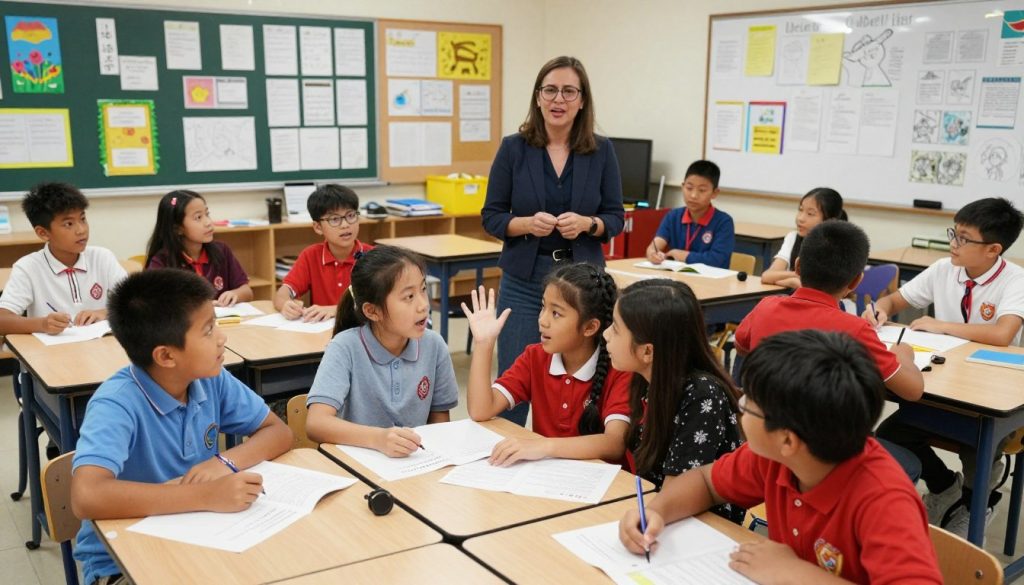
Engaged classrooms become communities of enthusiastic, self-directed learners
Continue Your Professional Growth
Ready to deepen your teacher skills and earn professional development credits? Explore our comprehensive courses designed specifically for K-12 educators.
What engagement strategies have worked best in your classroom? Which ones are you excited to try next? The journey to increasing student engagement is both challenging and rewarding—and it’s one that makes a profound difference in the lives of your students.


